Pain when lifting a mug, opening a door or shaking hands often starts as a nuisance and becomes a daily restriction. Tennis elbow is not limited to tennis players. It is a load-related tendon problem seen in office workers, tradespeople, gym users and anyone whose grip or wrist workload has changed. The first task is to confirm the cause; only then does it make sense to compare rehabilitation, PRP and, in selected cases, stem cell therapy.
When Outer Elbow Pain Is Tennis Elbow
Tennis elbow, or lateral elbow tendinopathy, affects the common extensor tendon where the wrist-extending muscles attach to the outside of the elbow. Repeated load can exceed the tendon's ability to recover. The tissue then becomes disorganised and sensitive rather than simply inflamed, which is why rest alone often gives temporary relief but does not restore capacity.
- Local tenderness over the bony point on the outside of the elbow
- Pain during gripping, lifting, typing, racquet sports or manual work
- Reduced grip strength because loading the tendon hurts
- Morning stiffness or discomfort after the arm has been still
Numbness, tingling, marked weakness, a locked joint or pain running from the neck needs a broader assessment. These signs may point to nerve irritation, neck referral or elbow-joint disease rather than an isolated tendon problem. Sudden pain after trauma may indicate a tear and deserves prompt review.
Diagnosis and First-Line Treatment
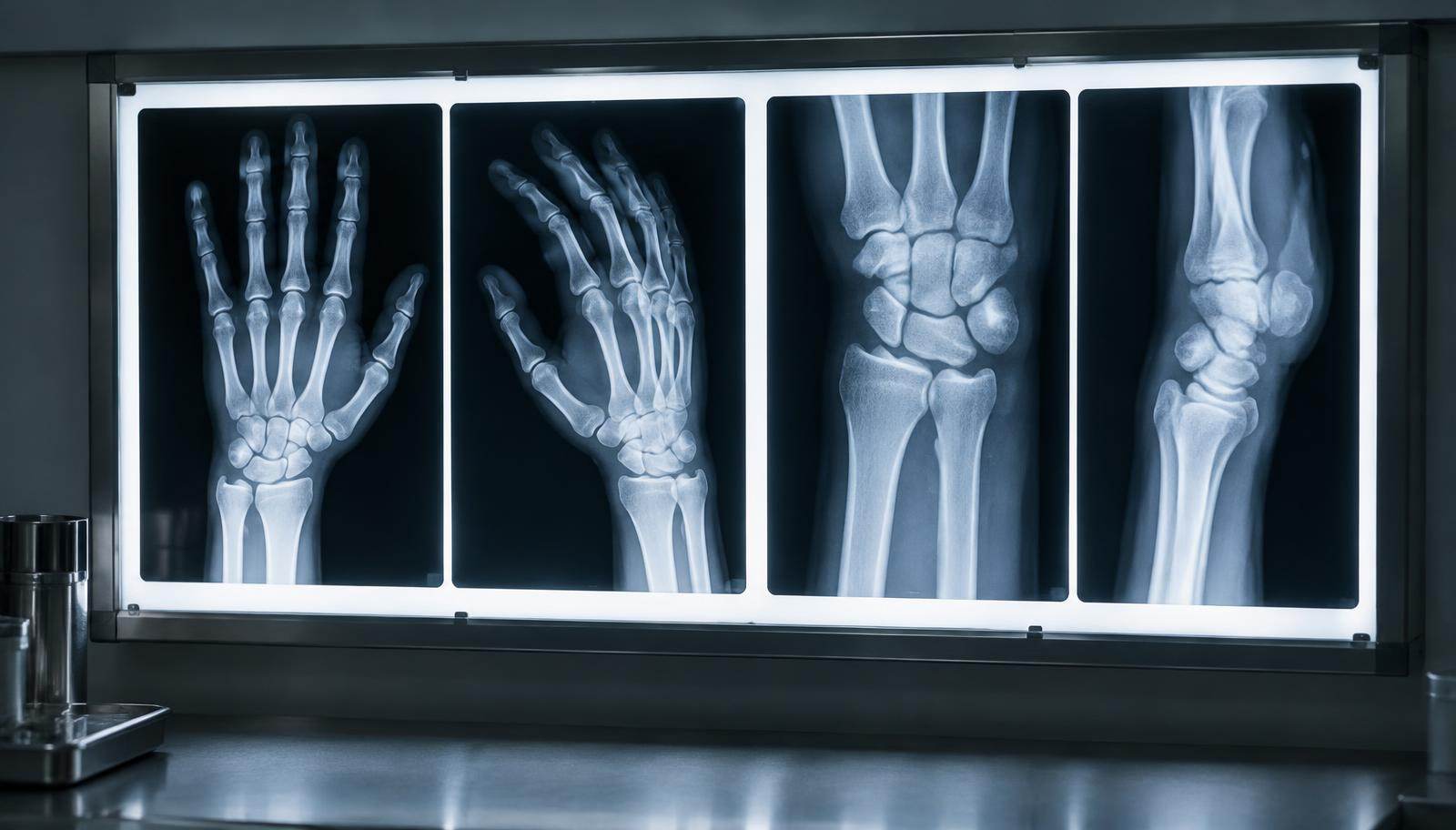
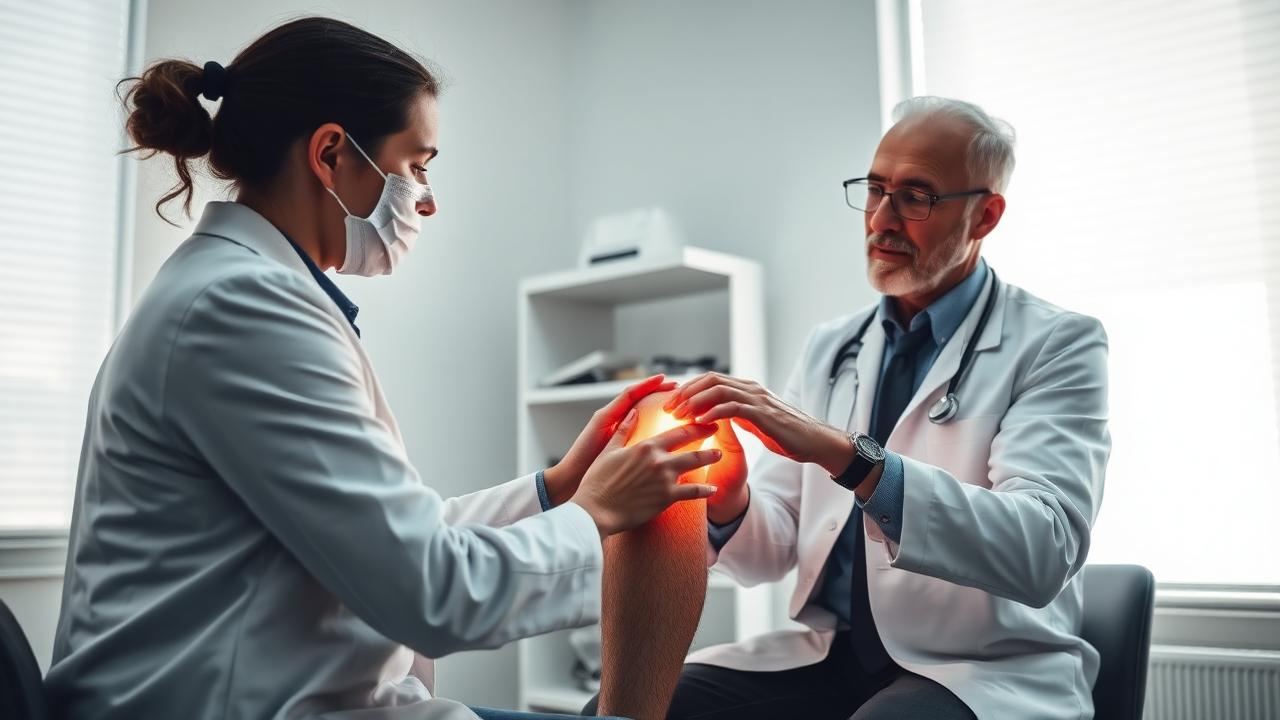
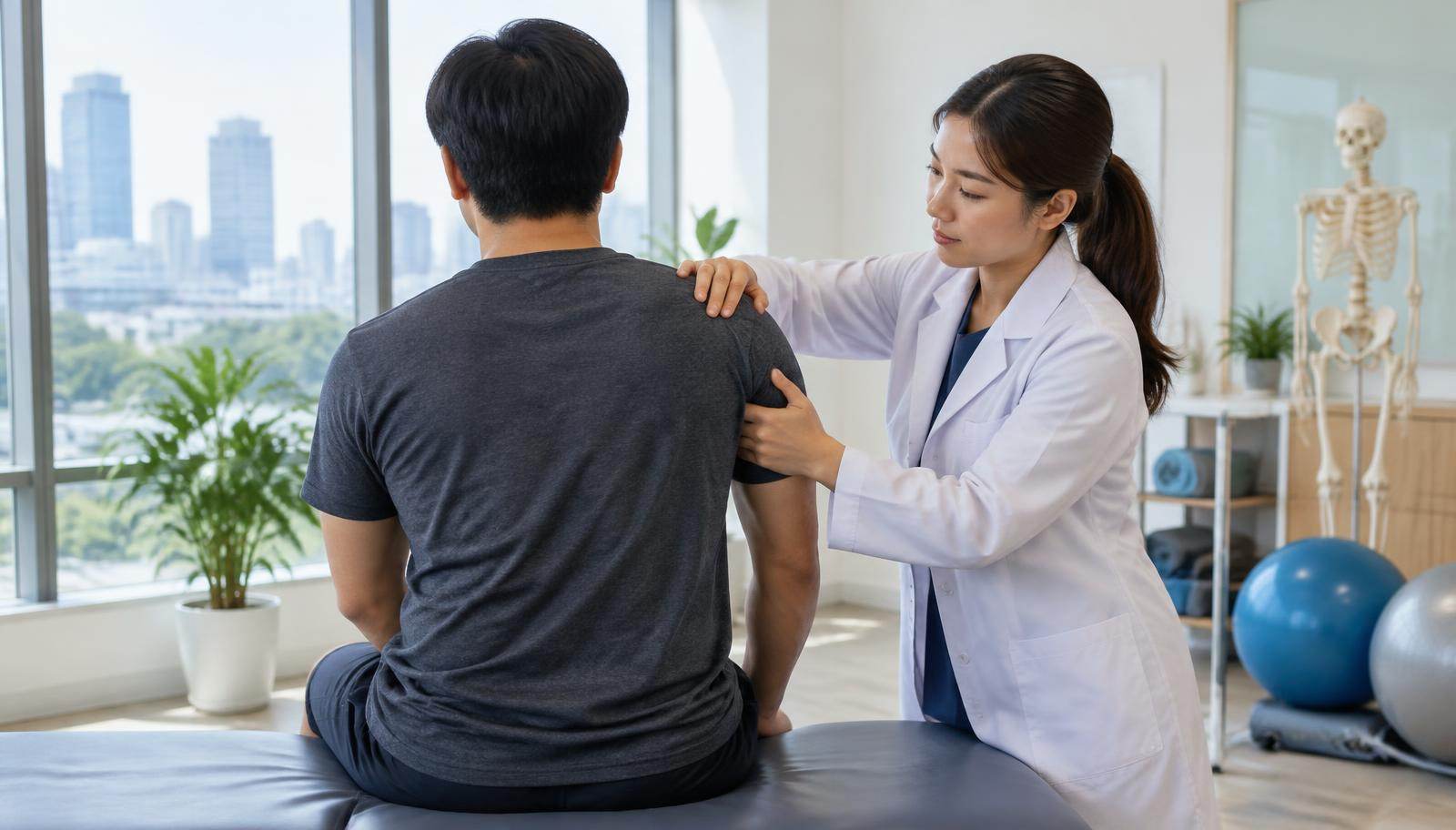
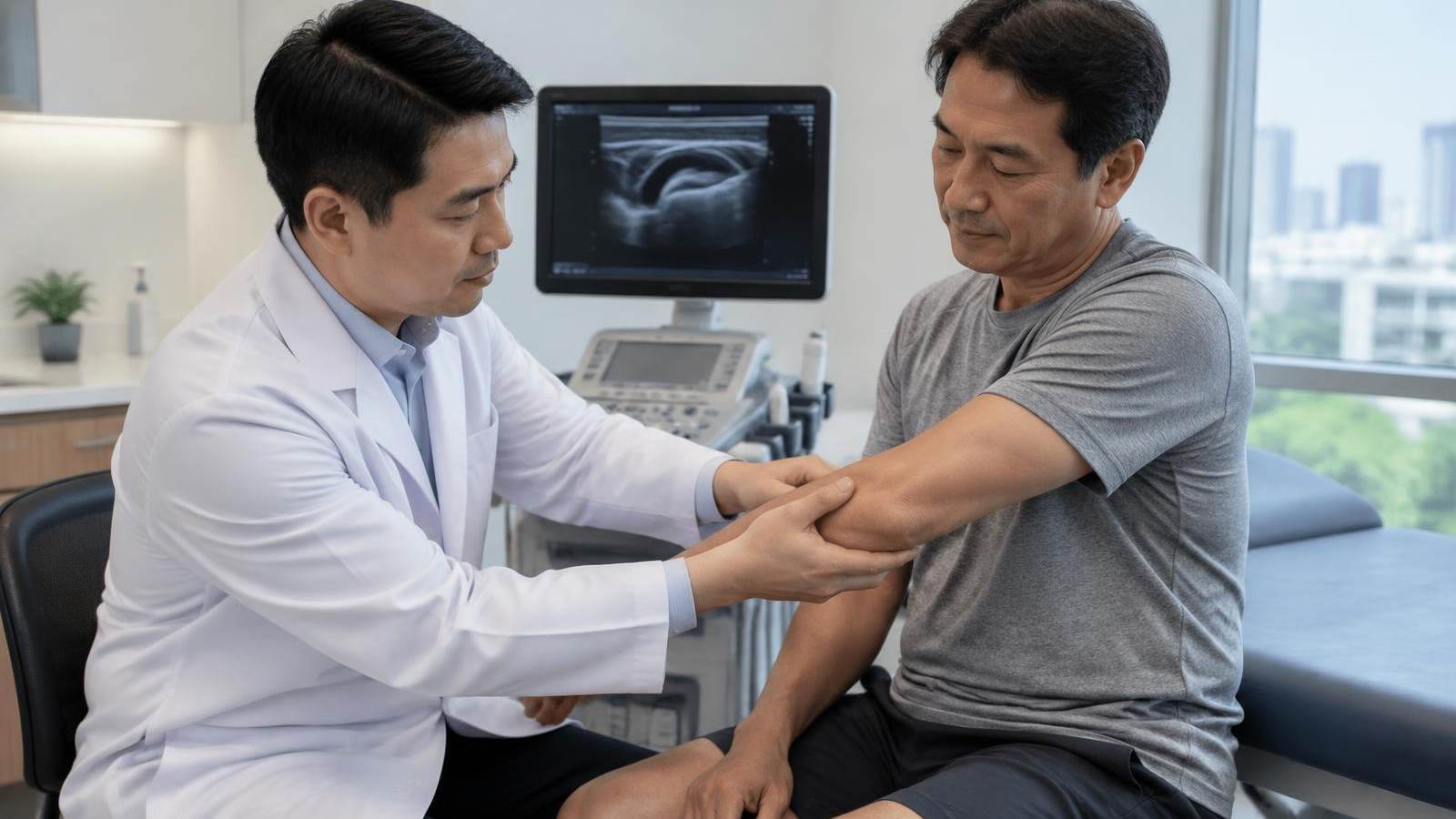
Diagnosis is usually clinical. A physician checks the exact tender point, grip strength, wrist movement, neck and nerve signs. Ultrasound is useful when symptoms are prolonged, the diagnosis is uncertain or a significant tendon tear is suspected. MRI is reserved for selected complex cases rather than ordered routinely.
First-line care is activity modification and progressive strengthening, not permanent rest. A therapist gradually loads the wrist extensor tendon while correcting shoulder and forearm mechanics. Workstation or tool changes reduce repeated overload. Short-term pain relief may help a patient participate in rehabilitation, but repeated corticosteroid injections have a high recurrence rate and may weaken tendon tissue.
Most cases improve without an injection when the loading programme is consistent. The wider principles are covered in our guide to sports injury treatment and recovery.
Where PRP for Tennis Elbow Fits
Platelet-rich plasma is prepared from a small sample of the patient's own blood. Centrifugation separates a platelet-rich fraction containing growth factors involved in tissue signalling. Under ultrasound guidance, the physician places it into the damaged part of the tendon. The goal is to support a healing response while rehabilitation rebuilds tendon strength.
Trials and systematic reviews generally find that PRP does not offer instant relief but may improve pain and function over several months in chronic tennis elbow. Results vary because platelet concentration, white-cell content, injection technique and rehabilitation protocols differ. That variation is a reason to document preparation and placement rather than describing every PRP injection as equivalent.
PRP is most reasonable after a well-delivered strengthening programme has not restored function, when examination and imaging confirm tendon disease, and when the patient is prepared to continue graded loading afterward. Our general PRP therapy page explains how the blood preparation works without repeating it here.
PRP, Physiotherapy and Stem Cell Therapy Compared
| Option | Best place in care | Evidence and limits |
|---|---|---|
| Progressive physiotherapy | First-line treatment for most patients | Best-established foundation; depends on consistent loading |
| PRP injection | Chronic confirmed tendinopathy after rehabilitation stalls | Moderate clinical evidence; preparation methods vary |
| Stem cell therapy | Selected complex tendon damage or associated joint degeneration | Investigational for tennis elbow; less evidence than PRP |
| Surgery | Substantial tear or persistent disability after prolonged care | Rarely required; orthopaedic assessment first |
Stem cell therapy is not the routine first injection for tennis elbow. Mesenchymal cells release signals that may influence inflammation and tissue repair, but elbow-specific human evidence remains limited compared with PRP. It may be discussed when tendon damage is complex, when degeneration also involves the joint, or when standard options have been exhausted. The evidence limits should be stated before treatment, not after it.
Whatever option is chosen, injection without rehabilitation leaves the cause of overload unchanged. The treatment plan must include a return-to-work, racquet or gym progression with measurable grip and loading targets.
How Elbow Treatment Works at Our Bangkok Facility
At MRC Healthcare, the first appointment is diagnostic. The physician reviews the activities that trigger pain, examines the neck, nerves and elbow, and reviews ultrasound or arranges imaging if it will change the decision. A recent tendon problem that has not yet had structured rehabilitation is not rushed into an injection.
If PRP is appropriate, blood is processed in a closed system and the preparation is documented. The injection is performed under ultrasound guidance to place the product into the affected tendon rather than relying on surface landmarks. Aftercare explains the expected short flare, pain medicines to avoid unless the physician advises otherwise, and the timing of graded exercises.
Where stem cell therapy is considered, candidacy, product documentation and the lower level of elbow-specific evidence are discussed separately. The broader pathway is available on our sports injury treatment page.
Planning Treatment During a Thailand Visit
Assessment and a same-day outpatient injection can fit within a short Bangkok stay, but recovery continues after the flight home. Bring previous imaging, reports, a medication list and details of physiotherapy already tried. Allow enough time for assessment before the procedure and a review before departure rather than booking treatment on the final day.
Plan how rehabilitation will continue at home. Written loading guidance can be shared with your physiotherapist, and follow-up can review pain, grip strength and return to activity. Avoid scheduling heavy luggage handling, racquet competition or strenuous upper-body training immediately after the injection.
Documents, medication travel and appointment planning are covered in our Thailand medical travel checklist.
Selected Evidence
- JAMA Network Open: comparative evidence for non-surgical treatments in lateral epicondylitis.
- American Academy of Orthopaedic Surgeons: clinical overview of tennis elbow diagnosis and care.
- Peer-reviewed systematic reviews comparing PRP, corticosteroid injection and rehabilitation for lateral elbow tendinopathy.
Have Persistent Elbow Pain Assessed Properly
Our physicians can review your symptoms and imaging, then explain whether rehabilitation, PRP, stem cell therapy or specialist referral is the most appropriate next step.
Schedule a Consultation