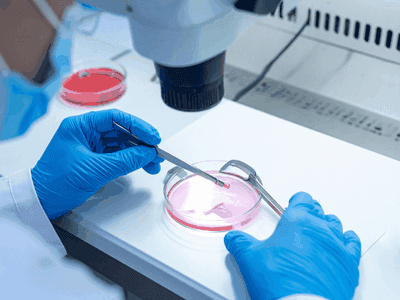
Advanced Cell Therapy
CAR-T Cell Therapy.
Engineered T-Cell Treatment.
A specialized cell therapy in which a patient's own T-cells are modified in the laboratory to express a chimeric antigen receptor targeting specific cells.
Understanding CAR-T Cell Therapy
CAR-T (Chimeric Antigen Receptor T-cell) therapy is a form of cellular immunotherapy in which a patient's own T-cells are collected, genetically modified in the laboratory, and reintroduced into the body.
The modification adds a chimeric antigen receptor to the T-cell surface, allowing the cells to recognize a specific target antigen. The therapy is delivered under physician supervision within a defined clinical protocol.
At MRC Healthcare, CAR-T therapy is provided only after comprehensive medical evaluation and case review by our clinical team. Suitability is determined on an individual basis.

Who This Treatment Is For
CAR-T therapy is a specialized medical treatment intended for:
Physician-Referred Patients
Individuals evaluated and referred by their treating physician for advanced immune cell therapy.
Complex Immune Conditions
Patients with conditions that may benefit from targeted, engineered T-cell approaches.
Comprehensive Assessment
Individuals prepared to undergo detailed medical, laboratory, and imaging evaluation.
Personalized Cell Therapy
Patients seeking a treatment plan built around their own T-cells and specific clinical profile.
Structured Follow-Up
Individuals able to commit to close medical monitoring before, during, and after infusion.
Informed Decision-Making
Patients who wish to understand the science, benefits, and limitations of CAR-T therapy.
Are You a Candidate?
Suitability for CAR-T therapy is determined by our medical team. General criteria include patients who:
Have a confirmed diagnosis reviewed by a qualified medical team
Are in stable enough overall health to undergo cell collection and infusion
Have completed appropriate prior evaluations or treatments as recommended
Are able to commit to pre-treatment workup and post-treatment monitoring
Have realistic expectations informed by clinical evidence and physician guidance
How the Therapy Works
CAR-T therapy combines cell collection, laboratory engineering, and clinical infusion within a structured medical protocol.
Targeted Recognition
Engineered T-cells are designed to recognize specific antigens on defined cell populations.
Genetic Modification
A chimeric antigen receptor is introduced to T-cells to guide their targeting activity.
Immune-Based Approach
The therapy uses the patient's own immune cells as the basis for treatment.
Individualized Protocol
Each treatment plan is tailored to the patient's diagnosis, condition, and clinical status.
Our Clinical Approach
CAR-T therapy at MRC Healthcare is delivered under physician supervision within defined clinical protocols.
Laboratory Cell Engineering
T-cells are collected and modified in a controlled laboratory environment following defined protocols.
Physician-Led Care
Every stage of the process is overseen by qualified medical professionals experienced in cell therapy.
Safety Monitoring
Patients are monitored for known potential side effects using established clinical protocols.
Structured Follow-Up
Scheduled follow-up assessments help evaluate response and manage any clinical needs.

Treatment Components
T-Cell Collection
T-cells are collected from the patient through a standard apheresis procedure.
CAR-T Cell Engineering
Collected cells are genetically modified in the laboratory to express a chimeric antigen receptor.
Quality-Controlled Preparation
Engineered cells are expanded and undergo quality checks before being prepared for infusion.
Supportive Clinical Care
Coordinated medical, nutritional, and supportive care is provided throughout the treatment course.
Your Treatment Pathway
Medical Evaluation
A comprehensive review of medical history, prior treatments, laboratory results, and imaging to determine suitability.
Cell Collection
T-cells are collected through a standard apheresis procedure performed in a clinical setting.
Laboratory Processing
Cells are genetically modified and expanded in the laboratory following established protocols.
Infusion & Monitoring
The prepared CAR-T cells are infused, and the patient is monitored according to defined clinical protocols.
Why MRC Healthcare
Cell Therapy Cases Managed
An experienced medical and laboratory team supporting patients across advanced cell-based therapies.
Physician-Led Team
Board-certified physicians and scientists oversee every stage of the CAR-T therapy process.
Regulated Facility
Treatment delivered within a licensed, accredited medical environment.
In-House Laboratory
Cell processing performed in a controlled, quality-monitored laboratory setting.
Structured Protocols
Defined clinical protocols for evaluation, infusion, and follow-up monitoring.
Request a Medical Consultation
Our clinical team will review your inquiry and follow up to discuss whether CAR-T therapy may be appropriate for your medical situation.
Reviewed by MRC Healthcare Medical Team
Last updated: