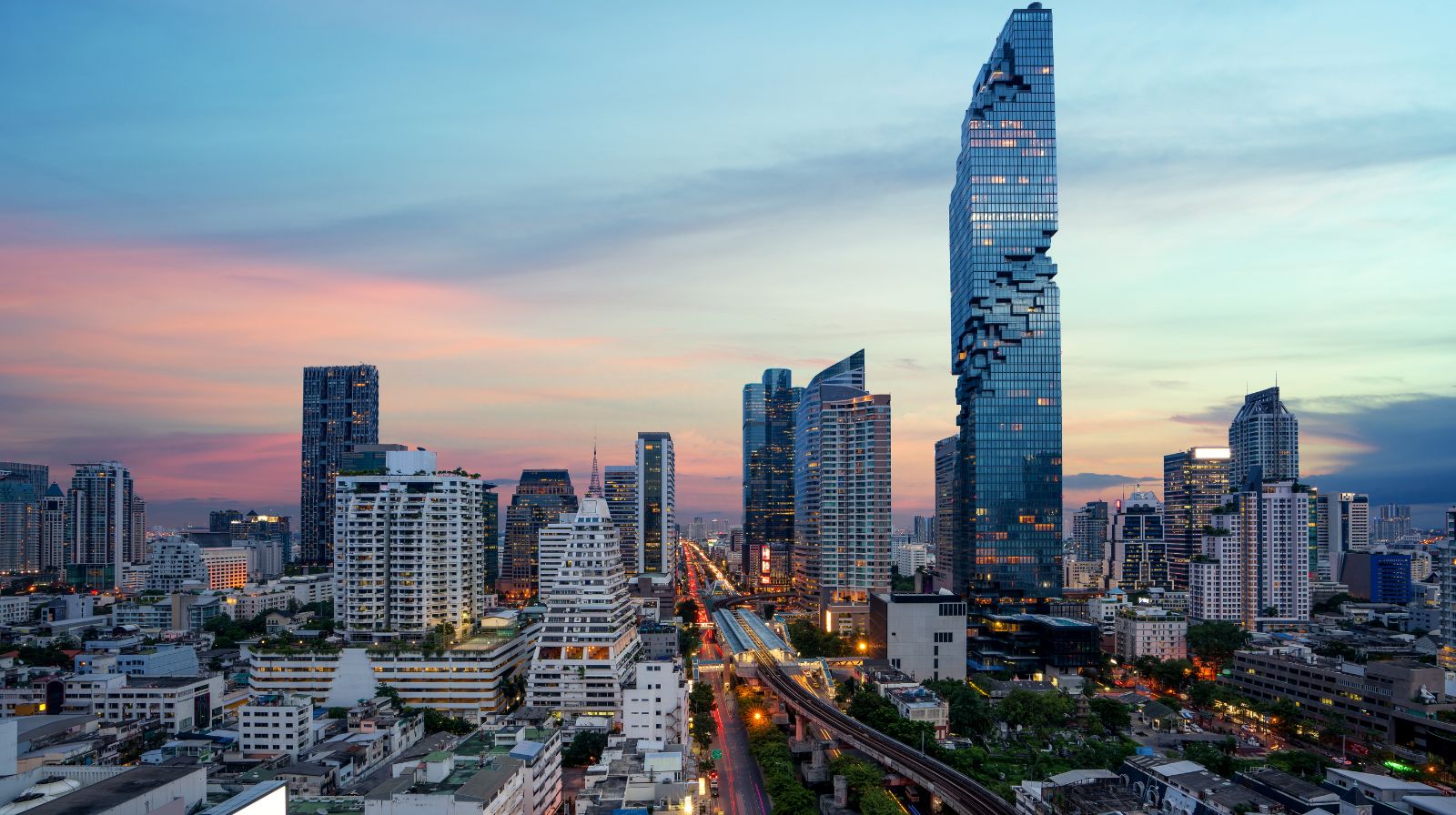
For patients travelling from Australia, Singapore & Europe
Stem Cell Therapy Thailand: A Guide for International Patients
What stem cell therapy in Thailand actually involves: how candidacy is assessed before you fly, the laboratory and clinical standards behind the cells, how long you need to stay in Bangkok, and how follow-up works once you are back home.
Why patients choose stem cell therapy in Thailand
Thailand has become one of the main destinations for regenerative medicine because cell therapy is delivered inside a licensed, physician-led hospital and clinic system rather than an unregulated grey market. For patients in Australia, Singapore and Europe, where many mesenchymal stem cell protocols are restricted to clinical trials, Bangkok offers access to treatment with a clear clinical process and documented laboratory standards.
MRC Healthcare is a physician-led group in central Bangkok, with its own cell laboratory. We treat degenerative, inflammatory, metabolic and longevity-related conditions using exosome therapy, NAD+ IV therapy and cell-based protocols. This guide covers what an international patient journey looks like from first enquiry to remote follow-up.
Timeline
A typical treatment journey
Most international patients complete their protocol within five to seven days in Bangkok. Your exact schedule is confirmed before you book flights.
Before you fly
Remote consultation & records review
Send your medical history, imaging and recent bloodwork by email or WhatsApp. Our physicians review your case and confirm whether you are a candidate before you book flights.
Day 1 in Bangkok
In-person assessment & labs
Physical examination, baseline blood panel and any additional screening. Your protocol, dosing and schedule are finalised the same day.
Days 2–4
Treatment sessions
Cell or IV infusions are delivered in our private day-care suites. Most sessions take two to four hours, and most patients return to their hotel the same afternoon.
Day 5
Review & discharge plan
Post-treatment review, supportive protocol, and a written summary you can share with your doctor at home.
After you return
Remote follow-up
Scheduled follow-up calls across Australian, Singapore and European time zones, typically at 1, 3 and 6 months.
Standards
How the cells are sourced and tested
The single most important question an international patient can ask is where the cells come from and how they are released. Here is how we answer it.
In-house cell laboratory
Cells are processed in our own laboratory rather than outsourced, so donor screening, expansion and release testing sit under one chain of custody.
GMP & ISO 9001 aligned processing
Cleanroom manufacturing follows GMP practice and ISO 9001 quality management, with sterility, endotoxin and viability testing on every batch.
Screened umbilical cord donations
Mesenchymal cells are derived from consented, fully screened umbilical cord tissue donations from healthy full-term births — not from the patient's own bone marrow.
Physician-led care
Every protocol is prescribed and supervised by licensed Thai physicians working within Thai Ministry of Public Health regulations.
Travel logistics
Getting here from your region
Australia
Direct flights from Sydney, Melbourne, Brisbane and Perth — roughly 9 to 11 hours.
No visa required for short tourist stays for Australian passport holders.
Singapore
Around 2.5 hours direct, with dozens of daily flights.
Short enough that some patients split treatment across two visits.
Europe & UK
Direct services from London, Frankfurt, Zurich, Paris, Amsterdam and Stockholm — roughly 11 to 12 hours.
Bangkok is 6 to 7 hours ahead of most of Europe; follow-up calls are scheduled to suit your local time.
Country guides
Flight times, entry rules, regulation at home and follow-up scheduling, written for each market:
Where you will be treated
Our facility sits on the Sukhumvit corridor in central Bangkok, with easy BTS access and a wide range of hotels and serviced apartments nearby. Treatments are day-care procedures, so you stay at your hotel between sessions. Our team is reachable 24/7 while you are in Thailand and can arrange transfers — full address and directions are shared once your consultation is confirmed.
Treatments
Protocols available in Bangkok
MSC (Mesenchymal Stem Cell) Therapy
Umbilical cord-derived stem cells for degenerative and inflammatory conditions.
Exosome Therapy
Cell-free signalling vesicles used for repair and rejuvenation protocols.
NAD+ IV Therapy
Cellular energy and longevity infusions, often paired with cell therapy.
PRP Therapy
Platelet-rich plasma for joints, tendons and localised tissue repair.
NK Cell Therapy
Immune cell therapy for immune surveillance and support.
Growth Factor Therapy
Concentrated growth factors to support tissue regeneration.
Conditions we most often treat
- Joint pain & osteoarthritis
- Anti-aging & longevity
- Autoimmune conditions
- Diabetes & metabolic health
- Neurological conditions
- Vascular health
See the full list of cell and IV therapies, our treatment services, or read more about stem cell therapy in Bangkok at MRC Healthcare.
FAQ
Questions from international patients
Start with a remote consultation
Send us your history and recent imaging or labs. Our physicians will tell you whether treatment is appropriate — before you plan any travel.
Reviewed by MRC Healthcare Medical Team
Last updated: