A Soft Lump Over the Kneecap
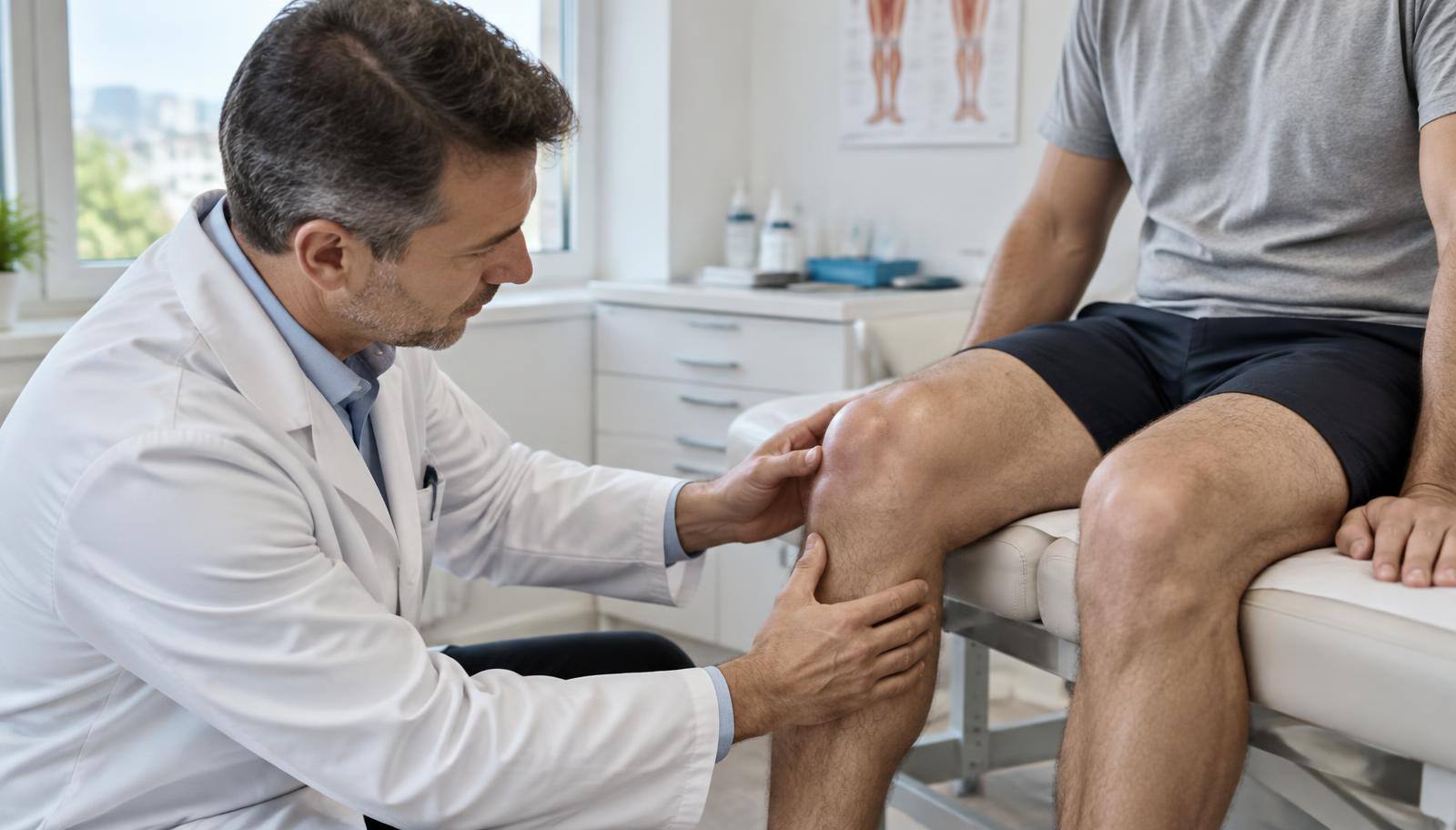
You notice it after a weekend of gardening or tiling: a squashy swelling on the front of your knee. Kneeling hurts, and the lump feels warm under your hand.
- Swelling over or just below the kneecap is the classic sign.
- Pain is often worse when kneeling or bending the knee fully.
- The knee joint itself usually still moves well.
What Causes Knee Bursitis
- Frequent kneeling, as in cleaning, flooring, plumbing or gardening.
- A direct fall or knock onto the knee.
- Infection through a small cut or graze over the kneecap.
- Conditions such as gout or rheumatoid arthritis.
A bursa on the inner knee (pes anserine bursitis) is linked with knee arthritis and running.
Signs It Could Be Infected
- Heat and spreading redness over the swelling.
- Rapidly increasing pain.
- Fever, chills or feeling generally unwell.
Infected bursitis needs prompt medical care and antibiotics. Do not wait for it to settle on its own.
Knee Bursitis Treatment Options
Most cases settle with simple steps.
- Rest and protection: stop kneeling and use a cushioned kneeling pad when you return.
- Ice and elevation: 15 to 20 minutes a few times a day.
- Anti-inflammatory medicines: if safe for you.
- Draining (aspiration): removes fluid and allows testing.
- Steroid injection: for non-infected bursitis that persists.
- Surgery: removal of the bursa is rare and reserved for repeated problems.
Comparing the Main Options
| Option | Best for | Evidence | Key cautions |
|---|---|---|---|
| Rest, ice, padding | Most early cases | Standard first step | Avoid kneeling until settled |
| Aspiration | Large or suspicious swelling | Standard practice | Swelling can return |
| Steroid injection | Persistent non-infected bursitis | Commonly used | Infection must be ruled out first |
| Antibiotics | Infected bursitis | Essential | Needs prompt start |
When Knee Pain Is About More Than the Bursa
If pain continues after the swelling settles, another problem may be involved, such as cartilage wear or tendon irritation.
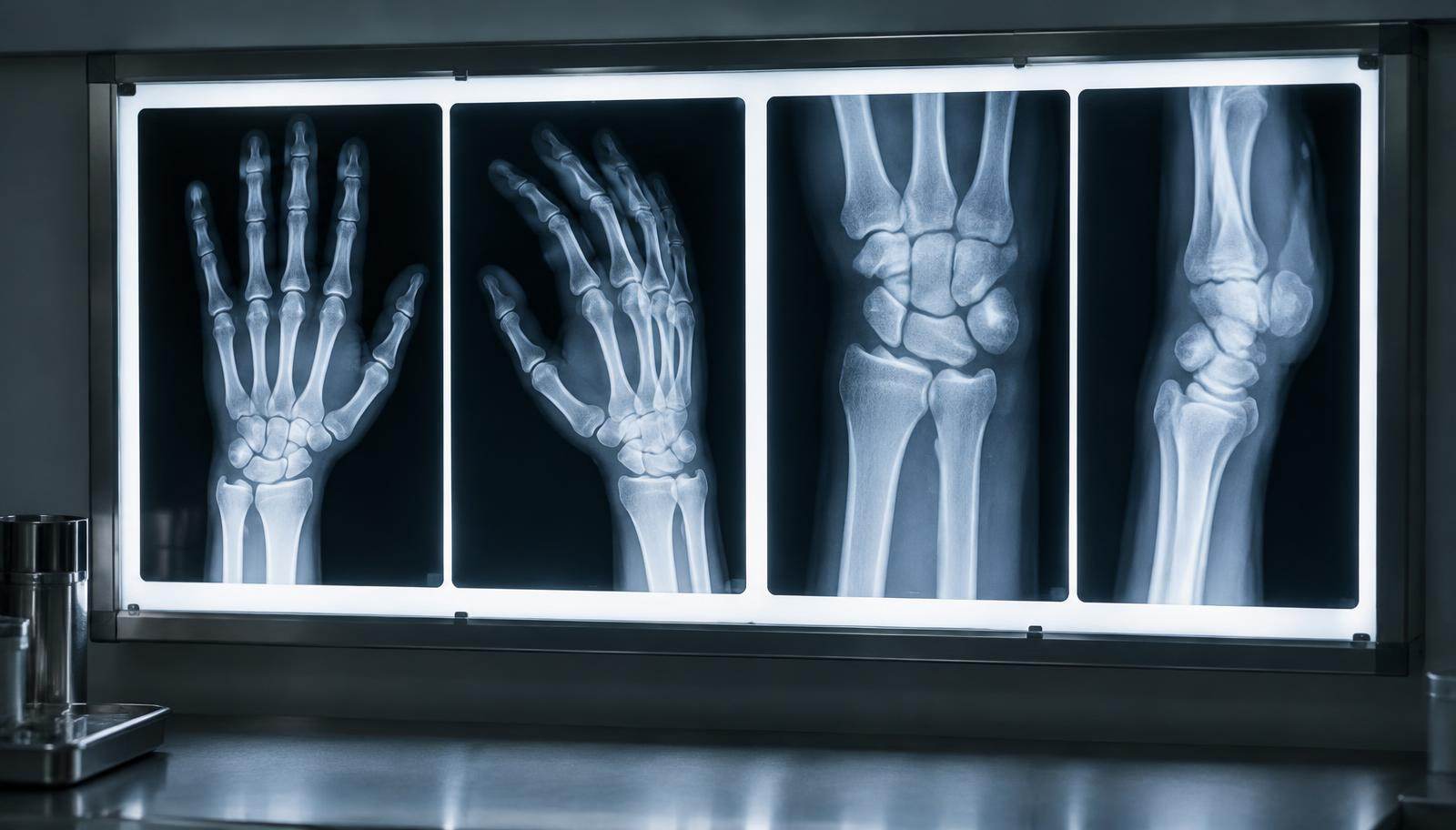
- Imaging can check for arthritis or a meniscus problem.
- Physiotherapy builds thigh strength to support the knee.
- Some clinics offer ozone or cell-based injections for joint pain, which are supportive and investigational.
See our ozone therapy page or our guide to knee osteoarthritis for longer-term joint options.
If several joints feel stiff and sore, our article on curcumin IV therapy for inflammation covers a whole-body option, and our joint pain treatment page explains how we assess knees.
Stopping It Coming Back
- Use knee pads or a kneeling cushion.
- Take breaks and change position often.
- Clean and cover any cuts on the knee.
- Keep thigh muscles strong and flexible.
Medical References
- NHS. Bursitis
- MedlinePlus, U.S. National Library of Medicine. Bursitis
- American Academy of Orthopaedic Surgeons, OrthoInfo. Prepatellar (Kneecap) Bursitis
Talk to a Doctor Before You Decide
Tell us when the swelling started, whether the knee is hot or red, and what treatments you have tried. Our doctors can check the cause and talk through which knee bursitis treatment suits you.
Schedule a Consultation