When Mornings Start With Stiff Joints
You wake up and your fingers feel tight. Getting down the stairs takes a few careful steps before your knees loosen. By midday things ease, yet the stiffness returns after a long drive or an evening on the sofa.
- Short morning stiffness that eases with movement is common with osteoarthritis.
- Longer stiffness with swelling may point to an inflammatory arthritis.
- Muscle pain, tendon problems and nerve symptoms can feel similar at first.
Many people search for natural anti-inflammatory options such as turmeric at this stage. Before choosing any infusion, it helps to know what is actually causing the stiffness.
Find the Cause Before Treating Inflammation
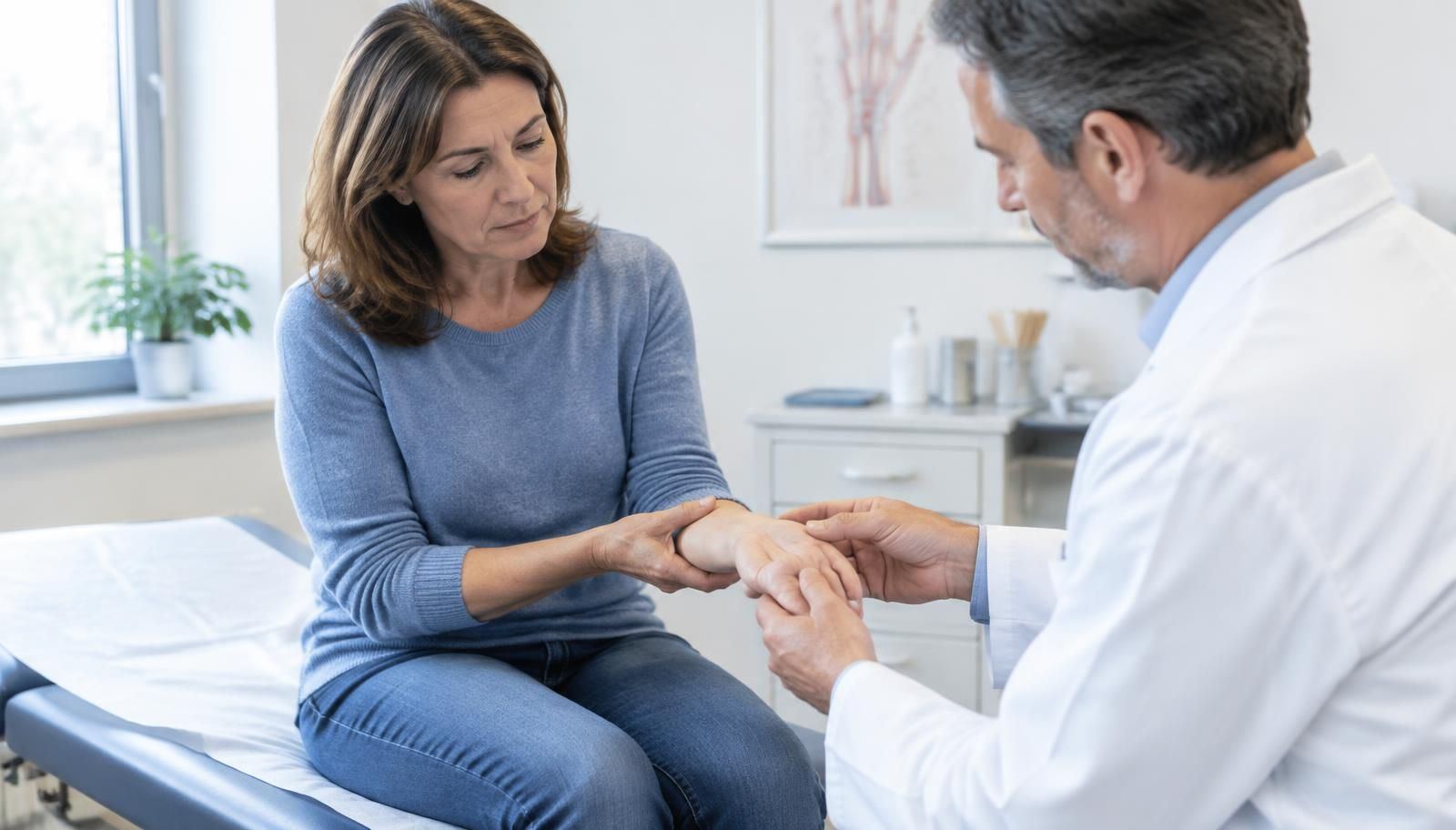
"Inflammation" is a broad word. The right care for wear-related joint pain is different from the care needed for rheumatoid arthritis, gout or an autoimmune condition.
- Note how long stiffness lasts each morning and which joints are involved.
- Record swelling, warmth, redness, fatigue or fever.
- Blood tests and imaging may be needed to separate inflammatory and mechanical causes.
- Bring a list of all medicines and supplements, including turmeric products.
Inflammatory arthritis benefits from early specialist treatment. If that applies to you, our guide to rheumatoid arthritis care explains how established treatment comes first.
Established Care for Stiff, Painful Joints
For most joint pain, the foundation is not an infusion. It is a plan that keeps you moving and protects the joint over time.
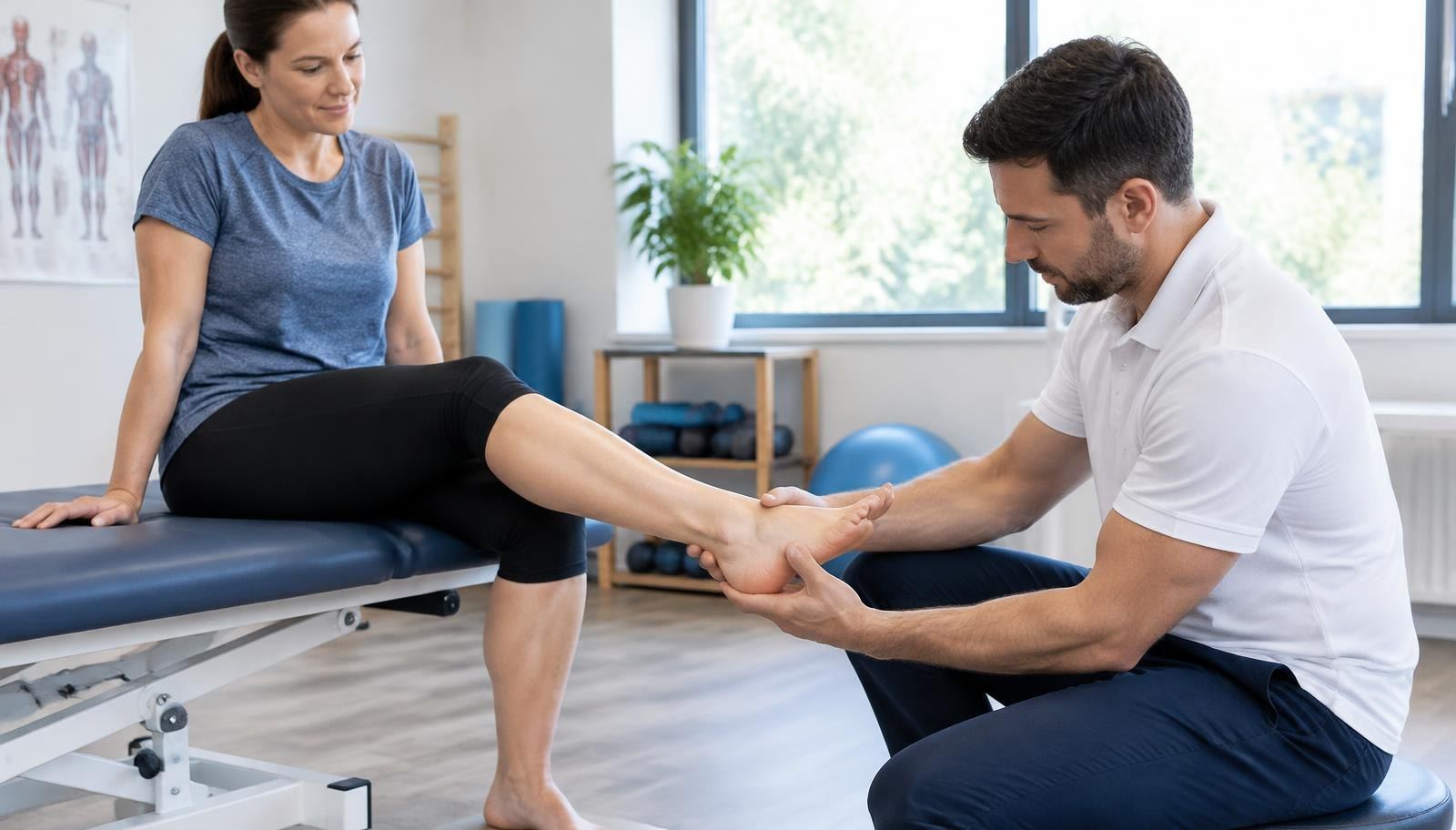
- Regular, graded exercise and strengthening, often guided by a physiotherapist.
- Weight management where relevant, which reduces load on knees and hips.
- Pain relief and anti-inflammatory medicines prescribed and reviewed by a doctor.
- Disease-modifying medicines for confirmed inflammatory arthritis.
Supportive options can be discussed once this foundation is in place. Our joint pain overview covers wider treatment choices.
What Is Curcumin IV Therapy?
Curcumin is the main active compound in turmeric. Laboratory studies show it influences inflammatory and oxidative pathways. The challenge is that oral curcumin is poorly absorbed and quickly broken down.
- Curcumin IV therapy delivers a prepared curcumin formulation through a vein.
- Sessions are given under medical supervision with monitoring during the infusion.
- It is offered as a supportive wellness therapy, not as a disease treatment.
You can read how sessions are run on our curcumin therapy page.
What the Evidence Does and Does Not Show
According to the US National Center for Complementary and Integrative Health, some studies suggest oral turmeric or curcumin may help knee osteoarthritis symptoms, but many studies are small and inconsistent.
- Most human research involves oral products, not infusions.
- Evidence for IV curcumin in joint conditions is limited and early.
- Laboratory effects do not guarantee a noticeable change in symptoms.
- Responses vary, and any benefit should be judged against your own goals.
An honest conversation about these limits is part of good care. Curcumin can be considered as a complement, never as a substitute for proven treatment.
Curcumin IV Compared With Oral Turmeric
| Factor | Oral turmeric or curcumin | Curcumin IV therapy |
|---|---|---|
| Absorption | Low; enhanced formulations exist | Bypasses the gut |
| Research base | More human studies, mixed quality | Limited clinical data |
| Supervision | Self-administered | Medical setting with monitoring |
| Main risks | Stomach upset; rare liver injury | Vein irritation, reactions, interactions |
| Role | Supplement alongside care | Supportive therapy after medical review |
Safety Checks Before an Infusion
Natural does not mean risk-free. The NIH LiverTox database reports rare cases of liver injury linked to turmeric products, and curcumin may affect bleeding.
- Blood thinners, antiplatelet medicines and upcoming surgery need careful review.
- Gallstones or bile duct problems may make curcumin unsuitable.
- Pregnancy, breastfeeding and significant liver disease are reasons for caution.
- Report rash, breathlessness, dizziness or pain at the drip site straight away.
Baseline blood tests may be recommended so that any change can be identified.
Questions to Ask Your Doctor
- What is the most likely cause of my stiffness, and is it inflammatory?
- Which established treatments should I continue or start?
- Is curcumin safe with my current medicines?
- How will we judge whether it is helping, and when should we stop?
If you are also exploring regenerative options for a specific joint, ask how they compare with MSC therapy and what evidence applies to your diagnosis.
Medical References
- National Center for Complementary and Integrative Health. Turmeric
- NIH LiverTox, National Library of Medicine. Turmeric
- NHS. Osteoarthritis
Talk to a Doctor Before You Decide
Share your symptoms, diagnosis, current medicines and any recent blood tests. Our doctors can review whether curcumin IV therapy is appropriate alongside your existing care, or whether another assessment should come first.
Schedule a Consultation