Understanding the Basics of Stem Cell Therapy
Stem cell therapy is one of the most exciting advancements in modern medicine. It uses the body's own repair cells, known as stem cells, to help heal damaged tissues, reduce inflammation, and support natural regeneration.
Because stem cells can develop into many types of specialized cells such as muscle, nerve, or bone, they can help restore function in areas that have been injured or affected by aging or disease.
This innovative therapy is now used in clinics worldwide for conditions like joint pain, sports injuries, degenerative diseases, and general wellness support. But one of the most common questions people ask is, "Is it safe?"
The Safety of Stem Cell Therapy
When performed under proper medical supervision using clinically approved methods, stem cell therapy is considered safe and well-tolerated. The safety depends on several key factors, including:
Source of stem cells
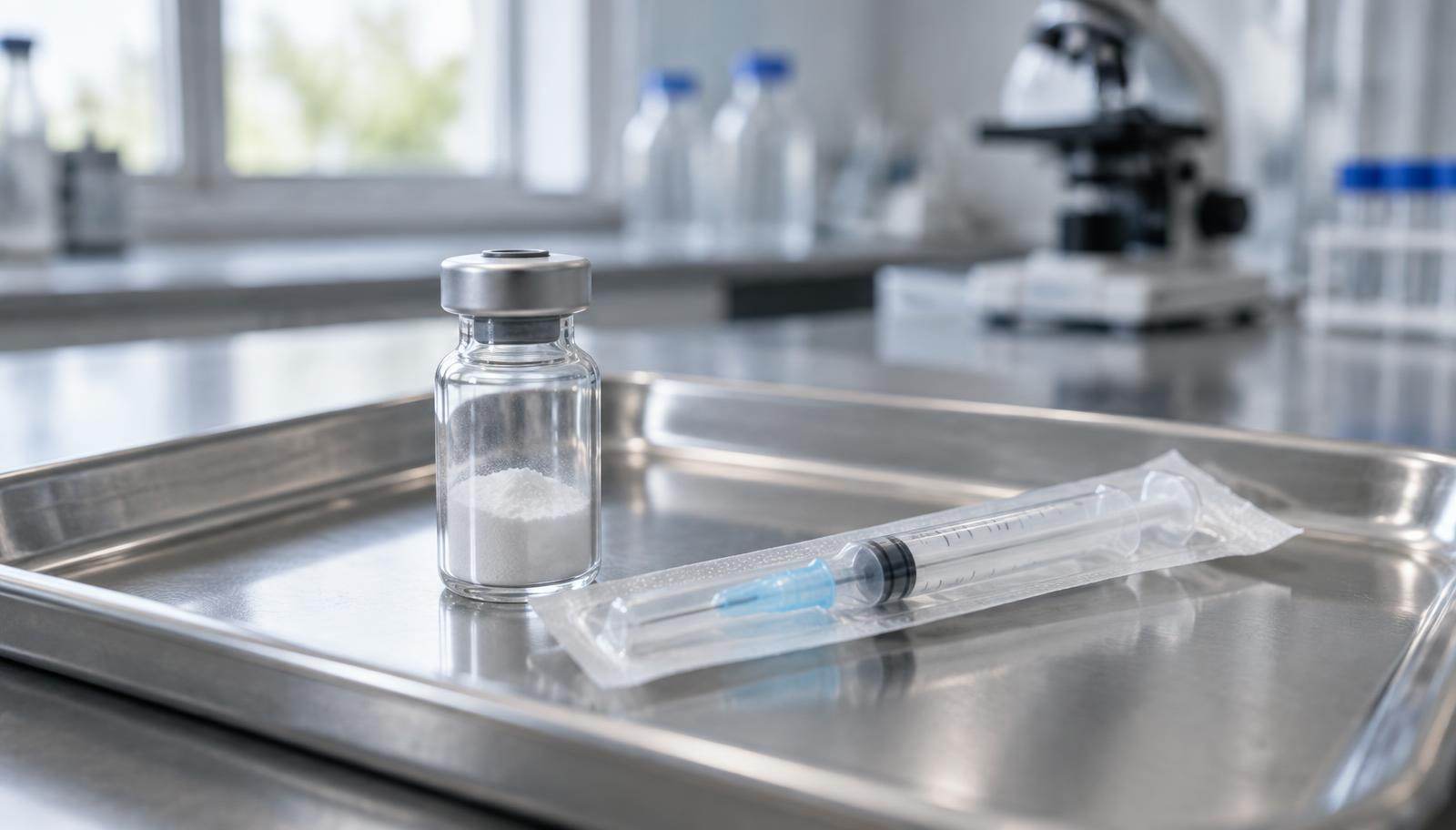
Most treatments use autologous (your own) stem cells or ethically sourced allogenic stem cells from certified medical facilities. These cells are screened and processed in controlled environments to ensure purity and safety.
Qualified medical professionals
Stem cell therapy should always be administered by trained doctors or specialists who follow strict medical standards and sterile techniques.
Clean and certified medical facilities
Treatments should take place in properly equipped clinics that meet national and international health standards to prevent contamination or infection.
Personalized treatment plans
Each patient's health condition, medical history, and goals should be carefully evaluated before any procedure to ensure the right type and amount of cells are used.
When all these conditions are met, the risk of adverse effects is extremely low, and most patients experience minimal downtime.
What You Can Expect During Treatment
A typical stem cell therapy session begins with a consultation and medical evaluation. Once the treatment plan is determined, stem cells are either collected or prepared for infusion or injection. Depending on your condition, the procedure may take between one to three hours, and recovery time is usually short.
After treatment, patients may notice gradual improvements in energy, pain reduction, and mobility as their body begins to heal naturally. Most people return to their normal activities within a few days.
Is Stem Cell Therapy Painful?
For most patients, no — discomfort is mild and short-lived, and it depends far more on how the cells are delivered than on the cells themselves. An intravenous infusion feels like any other drip; an intra-articular injection into a knee or shoulder involves brief pressure and a day or two of ache afterwards.
| Delivery route | What it feels like | Pain relief used | Discomfort afterwards |
|---|---|---|---|
| Intravenous infusion | Cannula insertion only | None required | Minor site soreness for a day |
| Joint (intra-articular) injection | Brief pressure and stinging | Local anaesthetic | Ache and stiffness for 1–3 days |
| Soft tissue or tendon injection | Short, localised discomfort | Local anaesthetic | Tenderness for 1–2 days |
| Bone marrow or fat harvest (autologous only) | Pressure sensation during collection | Local anaesthetic, sometimes sedation | Bruising and soreness for several days |
- •Donor-derived umbilical cord cells avoid the harvest step entirely, which removes the most uncomfortable part of the process.
- •Post-injection ache that eases day by day is expected; pain that escalates after day two is not, and should be reviewed.
- •Most patients drive, walk and return to light activity the same day after an infusion.
A fuller account of what to expect in the days after treatment is set out in our guide to stem cell therapy side effects, and joint-specific protocols are described on our joint pain treatment page. If you are wondering whether stem cell therapy is painful, we describe each delivery route separately.
Why Stem Cell Therapy Is Gaining Global Trust
Over the past decade, stem cell research has advanced significantly. Scientists and doctors have developed safer and more effective ways to isolate, process, and apply these cells. This has helped shift stem cell therapy from an experimental concept to a widely trusted medical option for healing and rejuvenation.
People are drawn to it because it offers a natural alternative to surgery or long-term medication. Instead of masking symptoms, stem cell therapy targets the root cause by repairing tissues and restoring balance at a cellular level.
Who May Not Be Suitable for Stem Cell Therapy
While stem cell therapy is considered safe when performed under proper medical supervision, it may not be suitable for everyone. Certain health conditions or circumstances may require alternative treatment approaches or additional medical evaluation.
Stem cell therapy may not be recommended for individuals who:
- •Have active infections or uncontrolled medical conditions
- •Have certain blood disorders or immune system conditions
- •Are pregnant or breastfeeding, unless advised by a medical professional
- •Have medical conditions that require immediate surgical intervention
A thorough medical consultation and health assessment is essential before undergoing stem cell therapy. This ensures the treatment is appropriate, safe, and aligned with each individual's health status and treatment goals.
Safety and Care at MRC Healthcare
At MRC Healthcare, patient safety is always the top priority. Every stem cell treatment is performed by experienced medical professionals in a controlled, sterile environment that follows international safety standards.
We use only high-quality, ethically sourced stem cells that are processed under strict laboratory conditions. Each treatment plan is carefully customized to the patient's health condition and goals, ensuring that every procedure is safe, comfortable, and effective.
Our goal is to provide regenerative treatments that not only deliver results but also maintain the highest level of medical integrity. With a focus on transparency, care, and science-based methods, MRC Healthcare is dedicated to helping patients experience healing with confidence and peace of mind.
Ready to Learn More About Stem Cell Safety?
Schedule a consultation with our team to discuss how stem cell therapy can support your health goals safely and effectively.
Schedule Consultation