Why Patients Look at MUSE Cell Therapy in Thailand
Many people from Australia, Singapore, the UK and Europe search for MUSE cell Thailand options after long waits or limited choices at home. Thailand has internationally accredited hospitals, English-speaking clinicians and short flights from much of Asia and Australia.
Before travelling, it helps to understand what MUSE cells are and how they differ from MSCs.
What MUSE Cell Evidence Exists Before You Travel
MUSE cells were first described by Kuroda and colleagues in 2010 as stress-tolerant cells within adult mesenchymal populations. Human studies so far are small and early-phase, including a placebo-controlled stroke trial of the CL2020 product in Japan.
That means MUSE cell use anywhere, including Thailand, should be described to you as investigational. Read the MUSE cell safety evidence before deciding.
How to Choose a MUSE Cell Provider in Thailand
| Question | Reassuring answer | Warning sign |
|---|---|---|
| Which cell product is used? | Named source, processing site and release tests | Vague "stem cells" with no documents |
| Who reviews my case? | A licensed doctor reviews records first | Booking before any medical review |
| What evidence applies? | Honest summary, including limits | Guaranteed results or cure claims |
| What happens after I go home? | Written summary for your home doctor | No follow-up plan |
Our MUSE cell isolation and quality guide explains which laboratory documents to request.
MUSE Cell Therapy Approach in Thailand
- How it works: MUSE cells are proposed to home towards damaged tissue. Most mechanism evidence comes from animal studies.
- Who may be suitable: decided only after a doctor reviews your diagnosis, stability and current care.
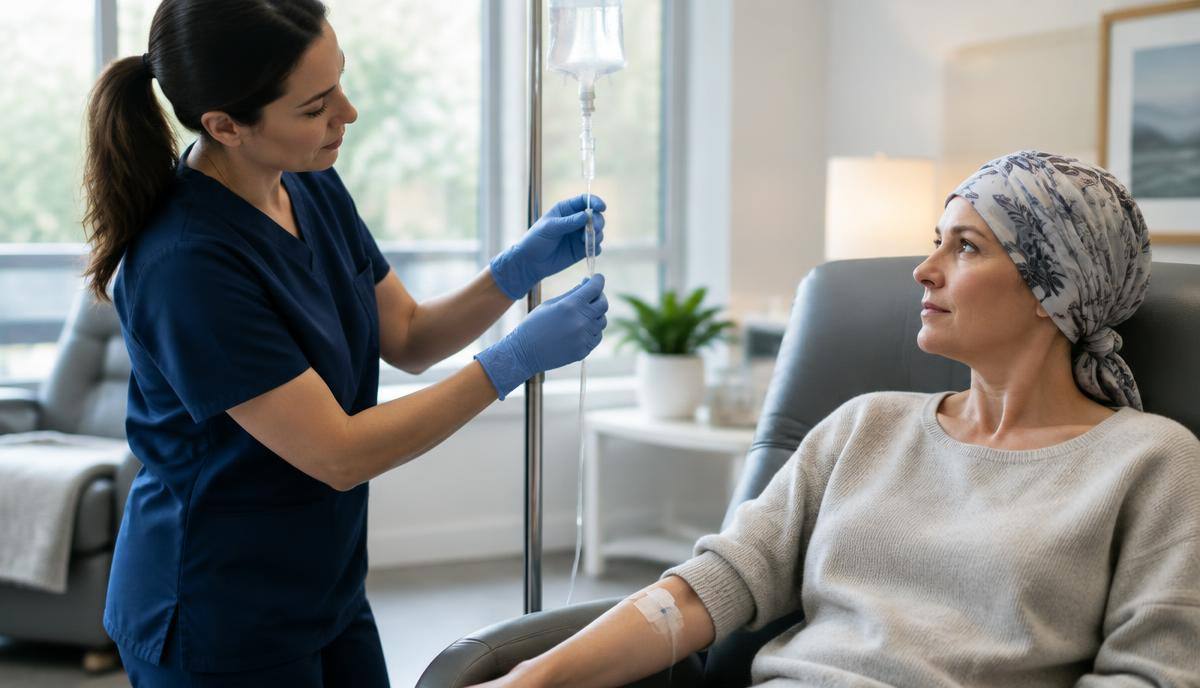
- What a session involves: published human studies used intravenous infusion with monitoring. See what a MUSE stem cell treatment visit involves.
- Limits: early-phase evidence, no guaranteed benefit, unknown long-term effects.
Other regenerative options, such as MSC therapy, may also be discussed as options. Learn more on our MUSE cell therapy service page.
Travel Checklist for MUSE Cell Therapy in Thailand
- Records reviewed before flights are booked
- Written plan for assessment, session and observation days
- Travel insurance that covers medical travel
- Medicines list and enough supply for the trip
- Follow-up summary to share with your home doctor
Our medical travel checklist covers general planning.
Next Steps for MUSE Cell Therapy in Thailand
Compare options calmly, ask for documents and keep your home team informed. The conditions studied with MUSE cells therapy shows where the evidence currently stands.
Bottom line: Thailand offers strong hospital infrastructure, but MUSE cell therapy is still early-phase and needs a careful, documented assessment.
Medical References
- Kuroda Y and colleagues, 2010. Unique multipotent cells in adult human mesenchymal cell populations
- Niizuma K and colleagues, 2023. Randomized placebo-controlled trial of CL2020, an allogenic muse cell-based product, in subacute ischemic stroke
- Minatoguchi S and colleagues, 2024. Donor Muse Cell Treatment Without HLA-Matching Tests and Immunosuppressant Treatment
Talk to a Doctor Before You Decide
Send your diagnosis, scans and current medicines before you book travel. Our team can review whether a MUSE cell discussion is appropriate and what Thailand-based assessment would involve.
Schedule a Consultation