What People Ask Before MUSE Stem Cell Treatment
Most people searching for MUSE stem cell treatment want to know what actually happens on the day. Is it painful? How long does it take? What happens afterwards? This guide walks through the steps used in published studies and in a careful clinical assessment.
For background on the cells themselves, read what MUSE cells are.
Before Your MUSE Stem Cell Treatment Visit
- Send diagnosis letters, scans and recent blood results
- List all medicines and allergies
- Doctor review to check whether a cell discussion is appropriate
- Written explanation of the product, evidence and risks
- Time to ask questions before you consent
What Happens on the Day of MUSE Stem Cell Treatment
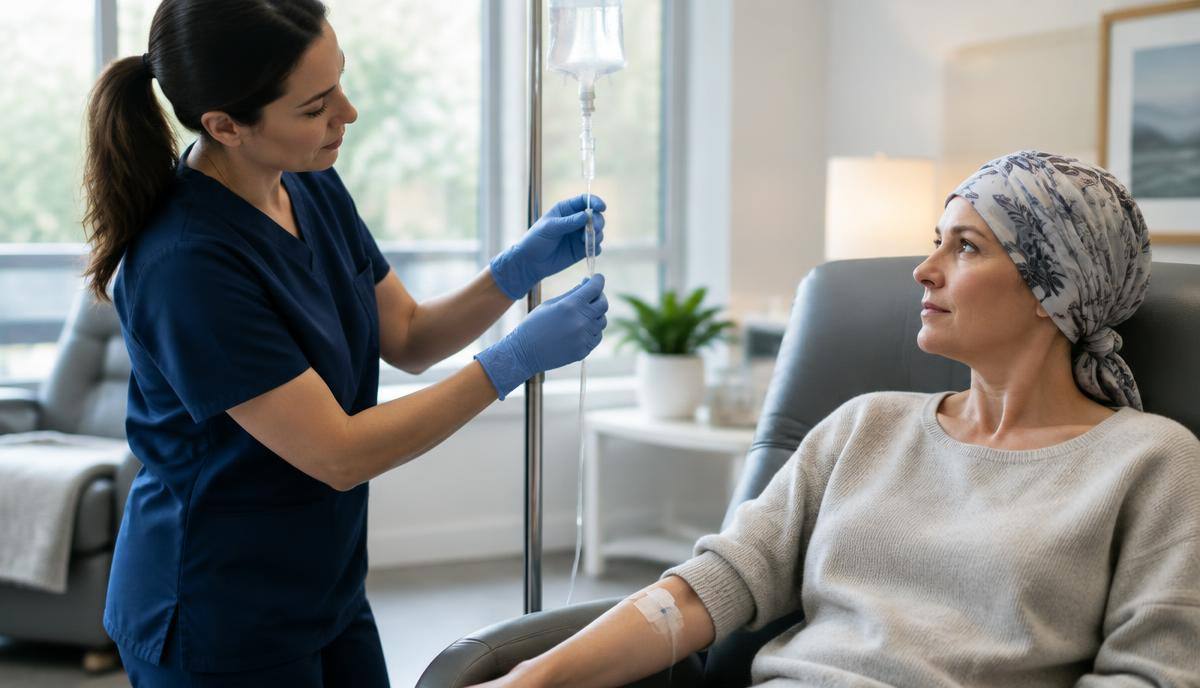
In the CL2020 human studies for stroke, heart attack and epidermolysis bullosa, donor-derived MUSE cells were given by intravenous infusion. The person was then monitored for reactions.
| Step | What it involves | Why it matters |
|---|---|---|
| Check-in and vital signs | Blood pressure, pulse, temperature | Confirms you are well enough that day |
| Cell product check | Label and release documents verified | Confirms the right product and quality |
| Intravenous infusion | Drip through a vein in the arm | Delivery route used in published studies |
| Observation | Monitoring after the infusion | Detects early reactions |
MUSE Cell Therapy Approach Behind the Treatment
- How it works: animal studies suggest MUSE cells home to damaged tissue through injury signals. Human mechanism evidence is limited.
- Who may be suitable: decided case by case after medical review. No routine candidate group is established.
- What a session involves: an intravenous infusion and observation, as described above.
- Limits: human studies are small and early-phase. Results cannot be promised.
Read MUSE cell therapy safety and how MUSE cells are quality tested. MSC therapy is another regenerative option you may discuss.
After MUSE Stem Cell Treatment and Follow-Up
- Rest on the day and follow written aftercare advice
- Know which symptoms need urgent attention
- Continue your usual medicines unless told otherwise
- Keep rehabilitation and specialist appointments
- Share the treatment summary with your home doctor
If you are travelling, see planning MUSE cell therapy in Thailand.
Is MUSE Stem Cell Treatment Right for You
The answer depends on your condition and the evidence for it. Our overview of conditions studied with MUSE cells therapy is a useful next read.
Bottom line: a MUSE stem cell treatment visit in published studies is a short intravenous infusion with monitoring, but the therapy itself remains investigational.
Medical References
- Niizuma K and colleagues, 2023. Randomized placebo-controlled trial of CL2020, an allogenic muse cell-based product, in subacute ischemic stroke
- Noda T and colleagues, 2020. Safety and Efficacy of Human Muse Cell-Based Product for Acute Myocardial Infarction in a First-in-Human Trial
- Fujita Y and colleagues, 2021. Intravenous allogeneic multilineage-differentiating stress-enduring cells in adults with dystrophic epidermolysis bullosa: a phase 1/2 open-label study
Talk to a Doctor Before You Decide
Share your records and questions first. Our team can explain each step of a MUSE stem cell treatment assessment before anything is scheduled.
Schedule a Consultation