The knee is the joint people most often want to keep working well — it carries them up stairs, along trails and through ordinary days. It is also the joint where regenerative medicine has been studied most closely, which makes it a useful place to look at what the evidence actually says and what a treatment journey in Thailand involves.
Understanding Knee Osteoarthritis
Knee osteoarthritis describes a gradual change in the joint rather than a sudden event. What changes over time:
- The cartilage cushioning the ends of the femur and tibia becomes thinner
- The fluid environment inside the joint shifts
- Surrounding ligaments and muscles adapt to how the knee is being used
It develops for ordinary reasons: years of activity, an old sports injury, body weight, genetics, or simply the accumulated mileage of a long and active life.
What brings most people to look at their options is not the diagnosis itself but the everyday things it starts to affect:
- A golf round shortened, or a hike swapped for a shorter walk
- Stairs taken more carefully than before
- Stiffness after sitting, easing once you get moving
- Longer travel days needing more planning
Those are mobility and quality-of-life goals, and they are exactly the terms in which knee care is best discussed.
Encouragingly, the knee also responds well to attention. Strength work, load management and weight support all make a measurable difference, and there is now a well-defined middle ground between conservative care and joint replacement. That middle ground is where regenerative approaches sit, and it is why knee osteoarthritis has become one of the most common reasons patients explore stem cell therapy.
How Stem Cell Therapy for Knees Works
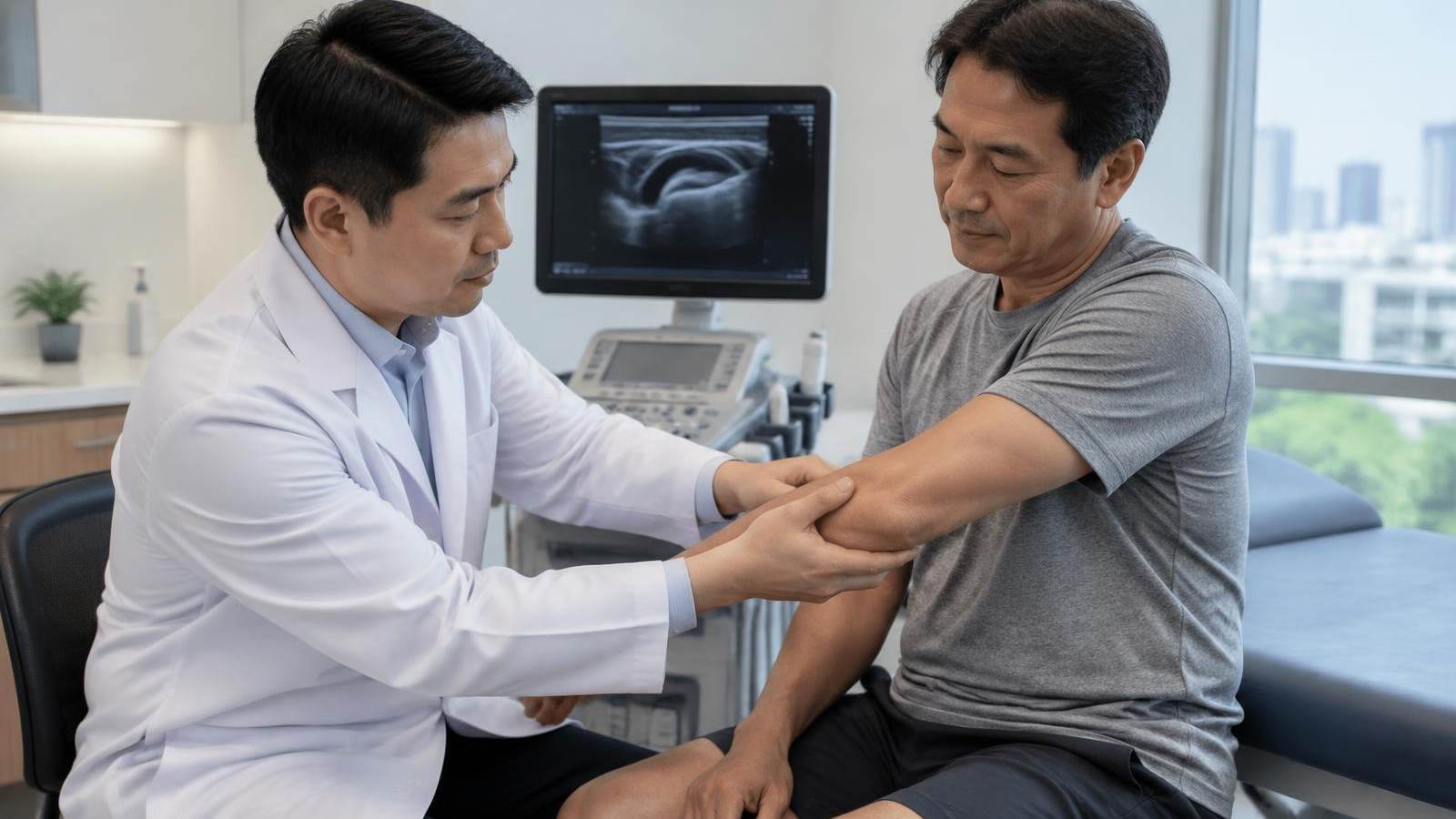
Mesenchymal stem cells (MSCs) are adult cells capable of releasing a wide range of signalling molecules. In joint applications they are delivered by intra-articular injection — placed directly into the knee's joint space, frequently under ultrasound guidance so the physician can confirm accurate placement.
The scientific interest is less about the cells physically rebuilding cartilage and more about the joint environment they may help influence. MSCs are being studied for:
- Anti-inflammatory signalling within the joint space
- Modulating the immune activity present in an arthritic knee
- Supporting resident chondrocytes — the cartilage-maintaining cells — through secreted growth factors
It is important to frame this accurately. These are mechanisms being studied to support the joint environment, not a demonstrated method of regrowing a knee. What the clinical trials measure is whether patients report better comfort and function over time, and that is the honest question a physician should be answering with you before any treatment is considered.
Stem Cell Therapy for Knees: What the Research Shows
The most useful evidence comes from pooled randomised data rather than individual clinics reporting their own results. A 2025 systematic review and meta-analysis published in Stem Cell Research & Therapy brought together eight randomised controlled trials covering 502 patients with knee osteoarthritis — a meaningful body of controlled data for a field this young.
The pooled improvements reported versus control groups:
| Measure | At 6 months | At 12 months |
|---|---|---|
| Pain (VAS, 100mm scale) | 19.39 points better | 16.21 points better |
| Function (WOMAC) | 7.44 points better | 10.31 points better |
| Adverse events | Comparable between MSC and control groups | |
Two details are worth noting: the functional gain continued to build over the longer follow-up, and subgroup analysis found the strongest results with:
- Adipose-derived mesenchymal stem cells
- Higher cell doses
That suggests preparation and dosing matter as much as the concept itself. Overall the picture is genuinely promising, while still warranting careful, case-by-case interpretation rather than blanket claims.
Why Thailand Is a Popular Destination for Knee Care
Thailand has built an unusually deep bench for musculoskeletal medicine. Three things stand out for patients travelling specifically for knee care:
- Accredited facilities — around 65 facilities nationwide hold Joint Commission International accreditation.
- Orthopaedic depth — from arthroscopy through to joint replacement, joint care has been a mainstay of Thailand's international patient services for decades.
- 2024 ATMP framework — cell-based therapies are now handled as manufactured medicines: produced under controlled conditions, released against defined criteria, and traceable end to end.
Combine that with strong rehabilitation services and unhurried consultation times and the appeal for knee patients becomes clear: assessment, treatment and early physiotherapy can be coordinated within a single visit. For more background, see our guide to Bangkok as a regenerative medicine hub.
What a Treatment Journey Involves at MRC Healthcare
The pathway is deliberately sequential, and each stage is physician-led:
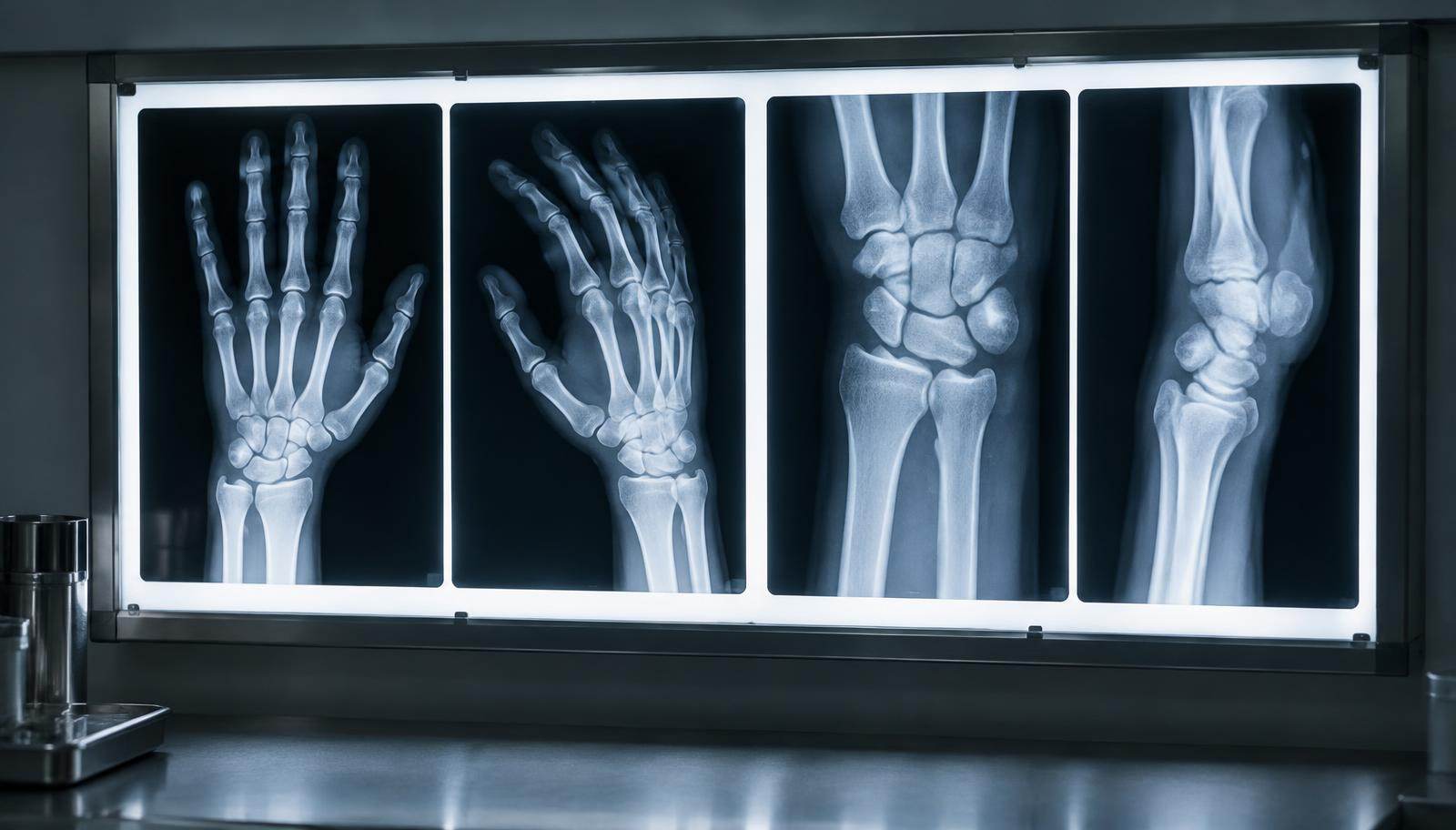
- Assessment — review of your history, previous treatments and recent knee imaging (X-ray, and MRI where it adds detail), alongside how the joint behaves in ordinary activity.
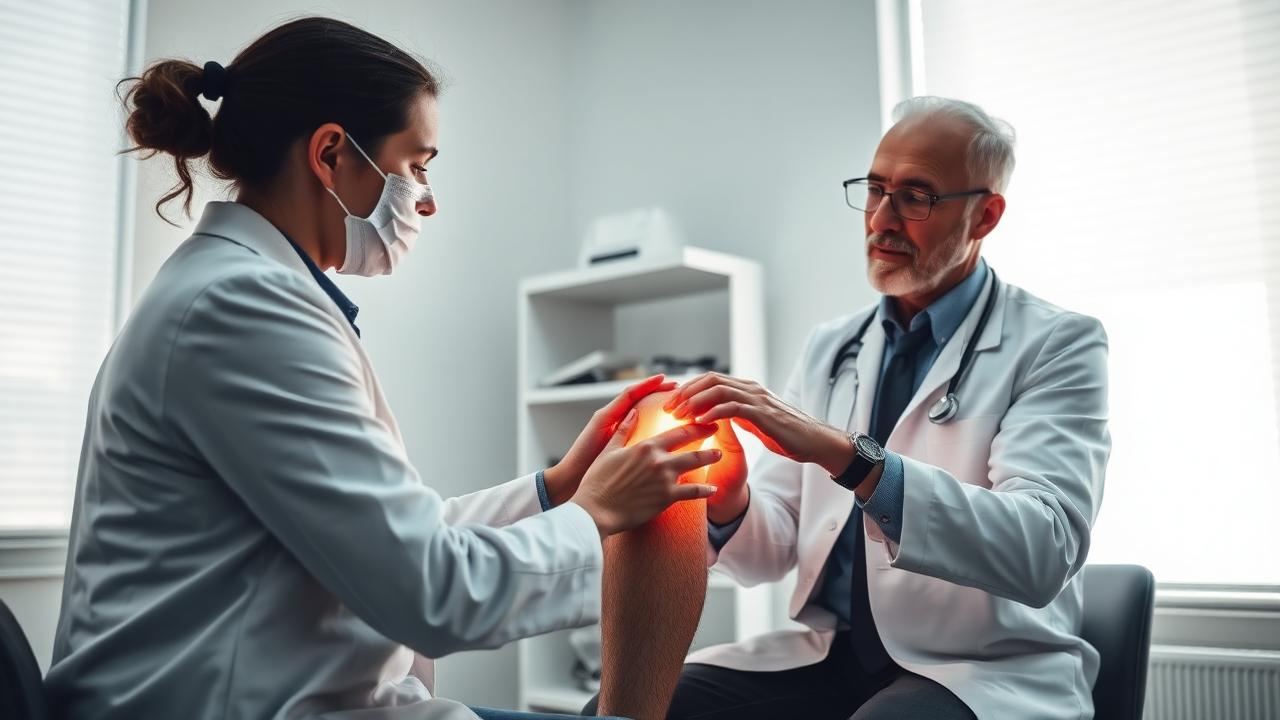
- Candidacy decision — a physician determines whether a regenerative approach suits your knee, or whether conservative care or an orthopaedic referral should come first.
- In-house cell preparation — culture, testing and timing stay under direct oversight in our own laboratory. See our mesenchymal stem cell therapy.
- The injection — a short outpatient intra-articular procedure, typically ultrasound-guided, with a brief observation period afterwards. Some recovery protocols add supportive options such as hyperbaric oxygen therapy in Bangkok alongside the cell protocol.
- Post-treatment guidance — written advice on activity in the first days, when to resume strengthening work, and how follow-up will be reviewed.
Knee cases sit within our joint pain treatment program and our arthritis care pathway. Background on the diagnosis is on our osteoarthritis condition page, and our broader look across joints is in osteoarthritis treatment with stem cell therapy.
Recovery and Realistic Expectations
Recovery from the injection is generally straightforward — most people are walking normally the same day, with any local swelling or warmth settling within the first week. What takes longer is the response itself. In the clinical trials, outcomes are assessed at six and twelve months, and many patients describe changes that build gradually across weeks and months rather than arriving all at once.
That timeline is an opportunity, not a delay. What tends to support the best overall picture:
- Structured physiotherapy, started early and followed consistently
- Progressive quadriceps, hamstring and hip strengthening
- Sensible activity modification rather than complete rest
- Weight support where it reduces load through the joint
- Scheduled review points so progress is measured, not guessed
Expectations should always be set individually. Responses vary with the stage of joint change, activity demands and overall health, and no honest clinician will promise a specific result or a cure. What a physician can do is explain what the evidence supports for a knee like yours, what improvement would realistically look like, and how progress will be reviewed over the following year.
Discuss Your Knee With Our Medical Team
Share your recent imaging and history and our physicians will review your case, explain whether a regenerative approach is suitable, and set out what to expect.
Schedule a ConsultationRelated reading: stem cell therapy for back pain in Bangkok.
The hip behaves differently from the knee. For that joint, read our guide to stem cell therapy for hips in Bangkok.