Why Sports Injuries Happen Even to Healthy Individuals
Many people associate sports injuries with professional athletes. In reality, they happen just as often to active adults who exercise regularly to stay fit and healthy.
Training places controlled stress on the body. When recovery is insufficient, movement mechanics are imbalanced, or inflammation accumulates, that stress can exceed the body's ability to repair itself.
Common contributing factors include:
- •Overtraining without proper recovery
- •Poor movement patterns
- •Muscle imbalances
- •Sudden increases in workout intensity
- •Previous untreated injuries
- •Inadequate warm up or mobility work
Even individuals committed to wellness can experience setbacks when structural stress builds over time.
The Most Common Types of Sports Injuries
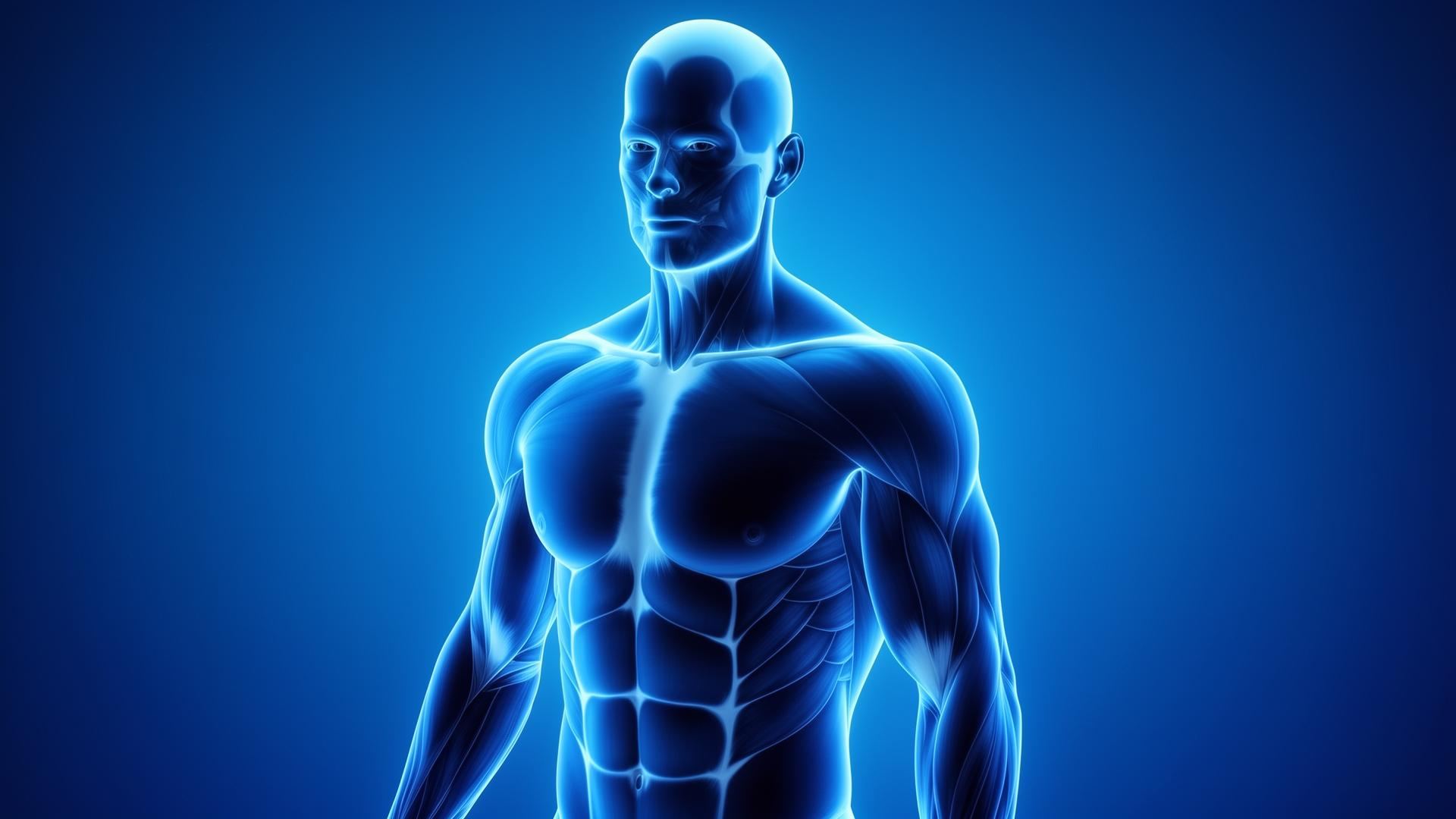
Sports injuries can affect muscles, joints, ligaments, tendons, and nerves.
Frequently seen conditions include:
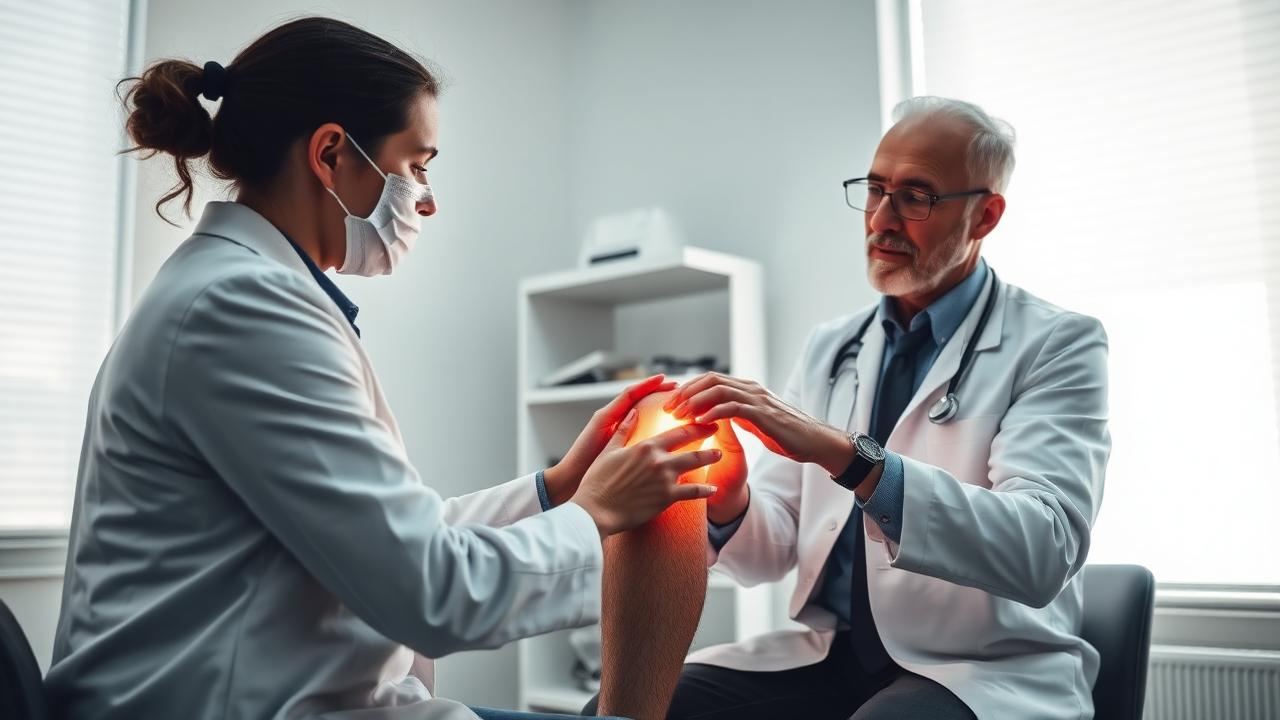
- •Ligament sprains such as ankle or knee injuries
- •Muscle strains in the hamstrings or shoulders
- •Tendon irritation including tennis elbow or Achilles tendon pain
- •Rotator cuff injuries
- •Knee discomfort from repetitive impact
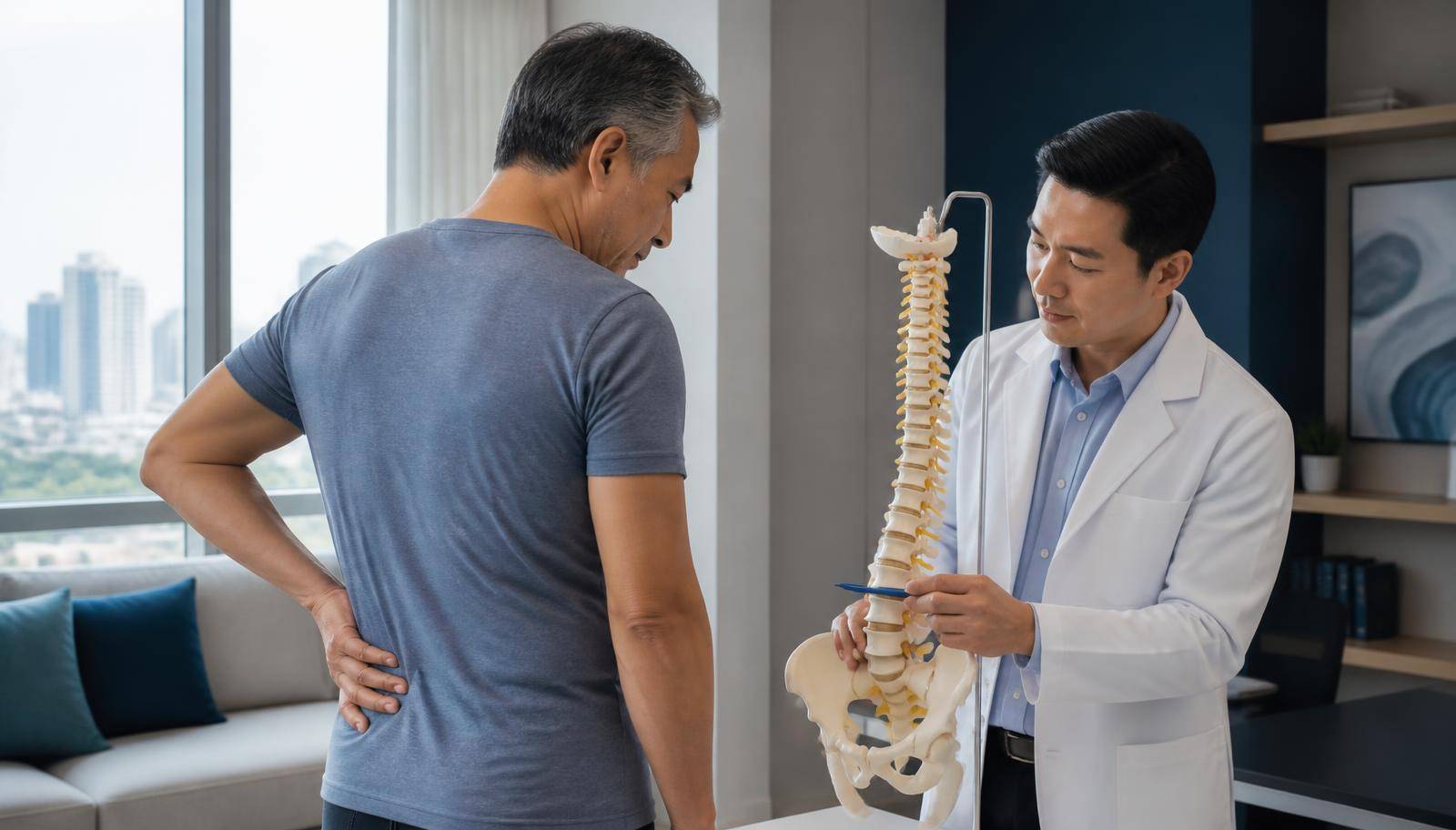
- •Lower back strain
- •Stress related joint inflammation
Some injuries occur suddenly. Others develop gradually and worsen without early intervention.

Early Signs You Should Not Ignore
Many individuals continue training through discomfort, assuming pain is temporary. However, persistent symptoms may signal underlying tissue stress.
Watch for:
- •Pain that lasts more than a few days
- •Swelling that does not resolve
- •Reduced range of motion
- •Weakness in the affected area
- •Instability during movement
- •Pain that worsens with activity
Addressing symptoms early reduces the risk of long term degeneration and chronic pain.
Recovery Beyond Rest and Ice
Rest and ice may help reduce acute inflammation, but true recovery requires a more comprehensive strategy.
Effective sports injury treatment often includes:
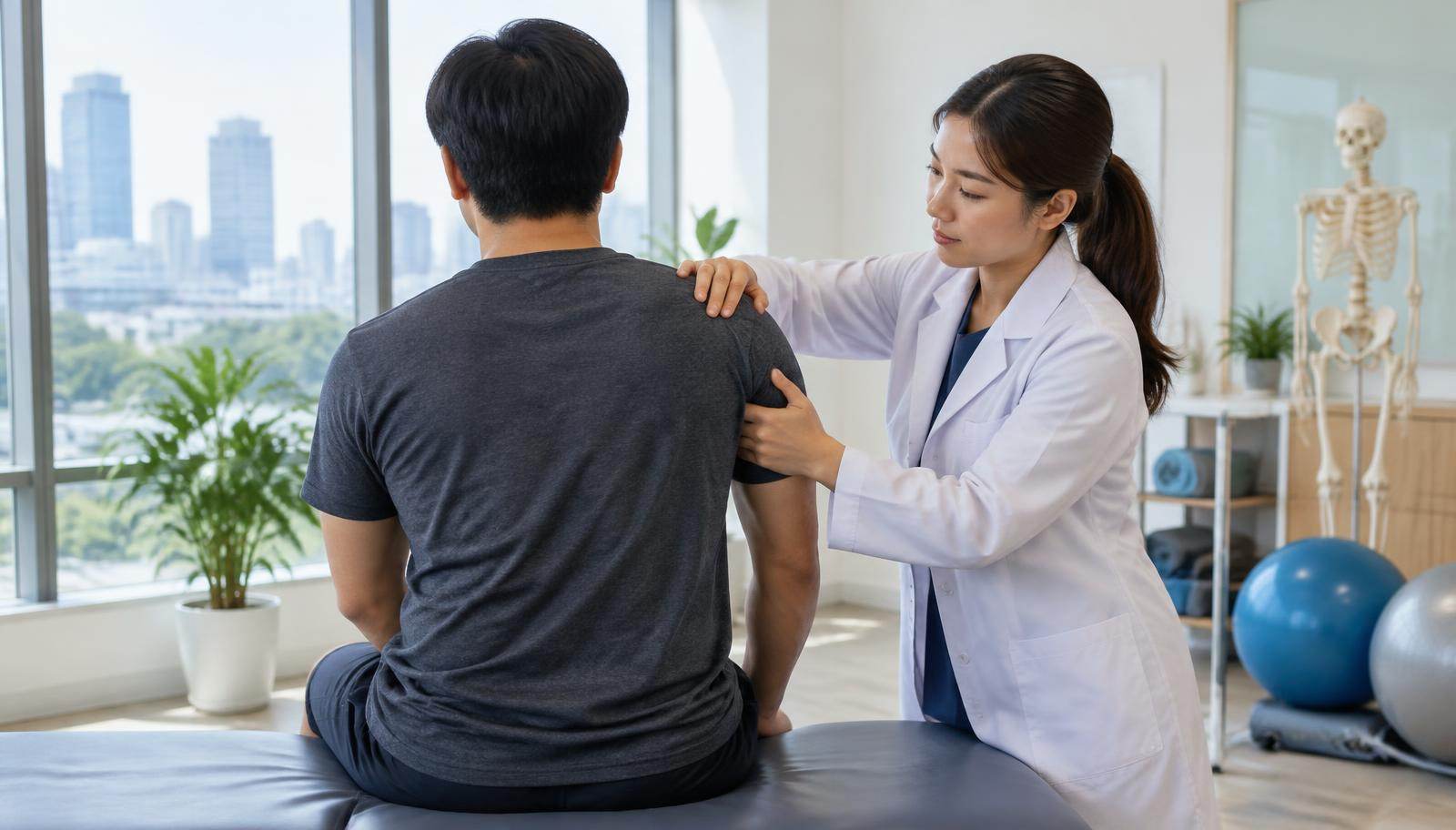
- •Movement assessment to correct biomechanical imbalances
- •Targeted rehabilitation exercises
- •Inflammation management
- •Nutritional support for tissue repair
- •Gradual return to activity under guidance
The goal is not simply to eliminate pain. It is to restore strength, stability, and functional performance.
Without proper recovery, reinjury becomes more likely.
The Role of Regenerative Medicine in Sports Injury Treatment
Regenerative medicine is increasingly used in sports injury recovery to support the body's natural healing response.
Rather than masking symptoms, regenerative approaches focus on enhancing tissue repair and reducing chronic inflammation.
Depending on the condition, therapies may help support:
- •Tendon and ligament recovery
- •Joint stability
- •Inflammation modulation
- •Cellular repair processes
- •Improved circulation
This approach is especially beneficial for individuals experiencing lingering pain or incomplete healing after traditional treatments.
By improving tissue quality, regenerative medicine contributes to stronger long term performance and mobility.
Preventing Reinjury and Supporting Longevity
An untreated sports injury can accelerate joint degeneration and limit future activity. Maintaining mobility is essential for long term wellness and healthy aging.
Prevention strategies include:
- •Structured strength training
- •Proper mobility routines
- •Balanced training loads
- •Adequate recovery time
- •Monitoring inflammation markers
- •Personalized wellness optimization
Staying active safely is one of the strongest predictors of longevity. Protecting your joints and connective tissue supports both athletic performance and overall health.
Sports Injury Care at MRC Healthcare
At MRC Healthcare, sports injuries are approached through a comprehensive, personalized model.
Our care may include:
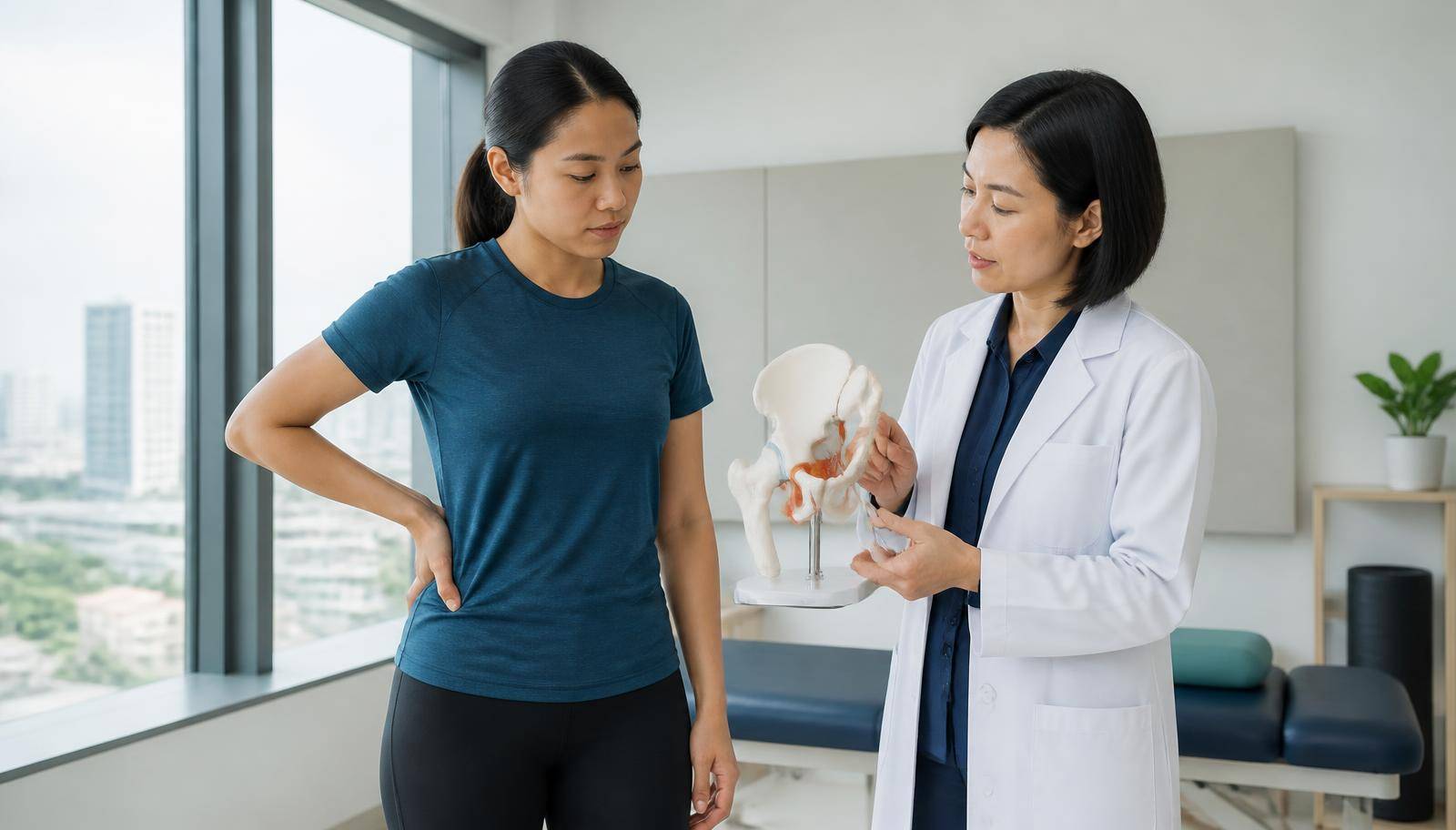
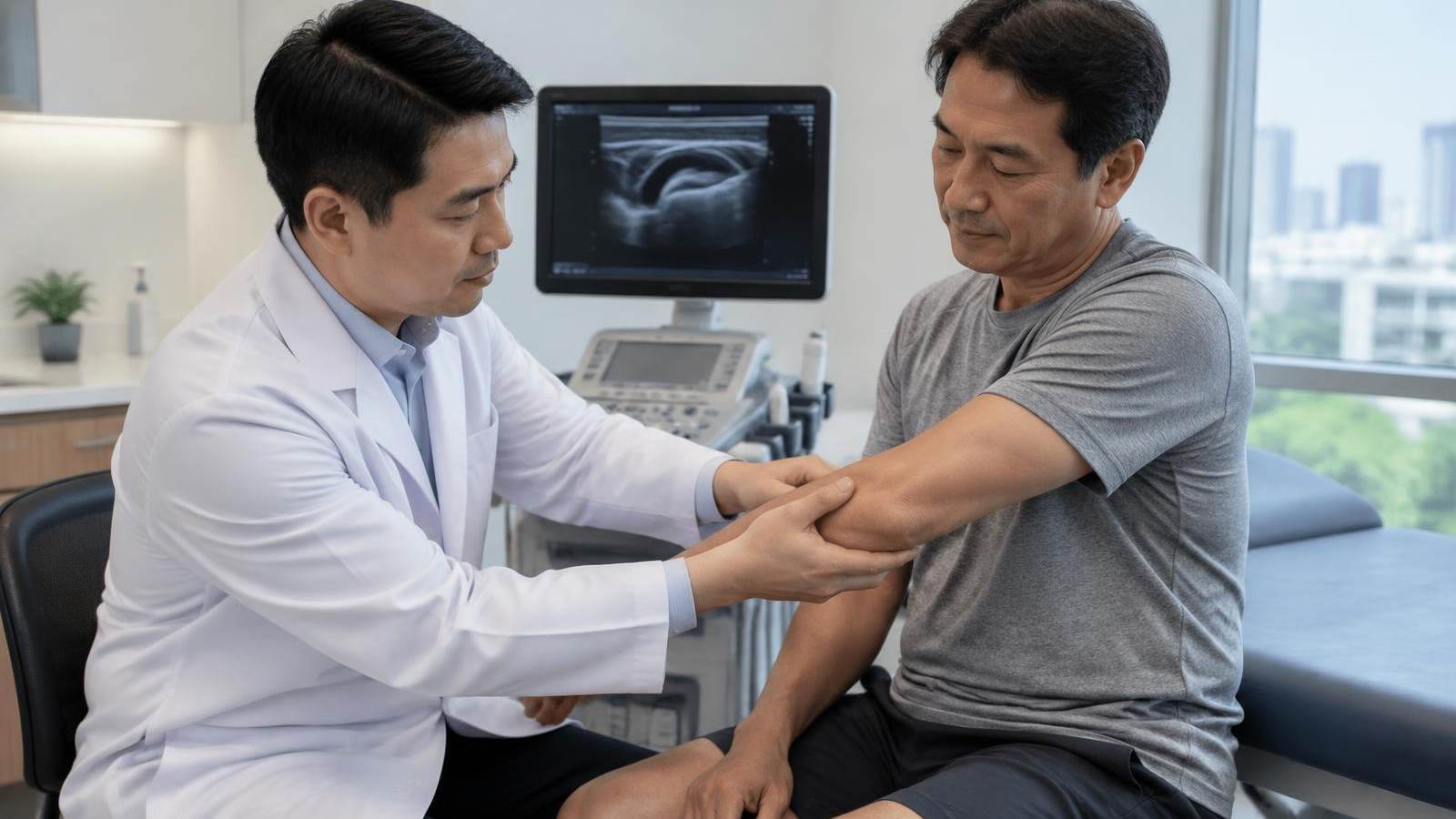
- •Detailed musculoskeletal evaluation
- •Regenerative medicine therapies
- •Advanced pain management strategies
- •Structured rehabilitation planning
- •Longevity focused wellness programs
The objective is not short term relief. It is restoring structural integrity, preventing reinjury, and preserving long term function.
Whether you are a competitive athlete or someone who simply values an active lifestyle, proper care ensures you can continue training with confidence.
Take the Next Step Toward Stronger Recovery
Sports injuries can feel frustrating, especially when they interrupt routines that support your health.
With the right treatment plan, recovery can become an opportunity to strengthen your body and improve long term resilience.
If you are experiencing joint pain, tendon discomfort, or recurring injury, contact MRC Healthcare to learn how a personalized sports injury treatment strategy can support healing, performance, and lifelong wellness.
Related reading: PRP for tennis elbow in Bangkok, including physiotherapy and stem cell treatment options.
Ready to Start Your Recovery?
Contact MRC Healthcare to learn how a personalized sports injury treatment plan can help you recover stronger and protect your long term performance.
Schedule a Consultation