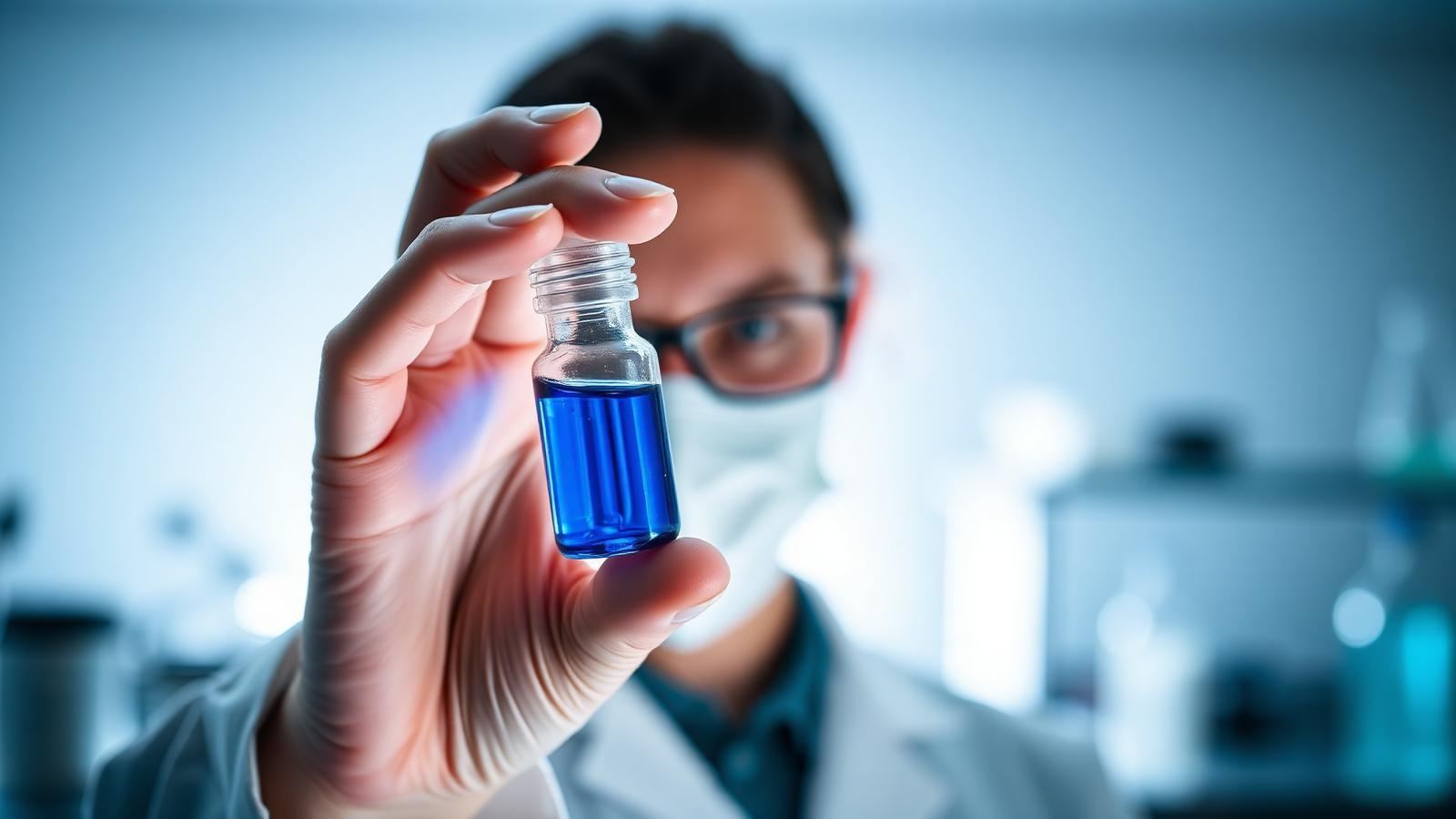
Methylene blue has gone from 19th-century textile dye to hospital medication to one of the most discussed compounds in longevity medicine. That trajectory invites both legitimate scientific interest and a great deal of hype. This article separates the established uses from the emerging ones, and the evidence from the marketing.
Methylene Blue and Its Long Medical History
Synthesised in 1876, methylene blue was the first fully synthetic compound used in medicine. Paul Ehrlich used it to stain, and then treat, malaria parasites in the 1890s, making it arguably the first antimicrobial drug. Few compounds have remained continuously useful for 150 years. Methylene blue has, which is part of why its safety profile at medical doses is so well characterised.
Its intense colour is not incidental. It is why the compound works as a surgical dye, why it was easy to track in early research, and why blue-tinted urine after a supervised infusion is an expected, harmless effect rather than a cause for concern.
Chemically, methylene blue is a thiazine dye with a useful property: it can accept and donate electrons depending on its environment. That redox flexibility is the common thread behind both its hospital applications and the modern research interest in its effects on cellular energy.
Established Medical Uses of Methylene Blue
Methylene blue is not an experimental substance in hospital medicine. Its established applications include:
- Methemoglobinemia, its primary approved use, where it restores red blood cells' ability to release oxygen to tissues
- Surgical and diagnostic dye, for staining tissue during procedures, mapping sentinel lymph nodes and highlighting structures such as the parathyroid glands
- Critical care, in defined cases of vasoplegic shock that have not responded to standard medication, administered under intensive care supervision
- Laboratory staining, a routine role in microbiology and histology that predates antibiotics
These applications matter to the wellness conversation for one reason: they mean dosing, interactions and contraindications are documented in real clinical literature rather than guessed at. Methylene blue is one of the few compounds in longevity discussions whose risks are understood from decades of hospital use.
The Emerging Interest in Low-Dose Methylene Blue
At doses well below hospital protocols, methylene blue behaves differently inside cells. Research interest centres on:
- Mitochondrial support, acting as an alternative electron carrier in the respiratory chain, potentially smoothing energy production in mitochondria that are working inefficiently
- Oxidative balance, antioxidant-like behaviour at low doses, with the important caveat that the effect reverses at high doses, which is why precise dosing matters
- Cellular respiration efficiency, laboratory findings suggesting improved oxygen use in energy-impaired cells
- Neurobiology, preclinical work on memory-related pathways, which is early-stage and should not be read as proof of cognitive benefit in healthy people
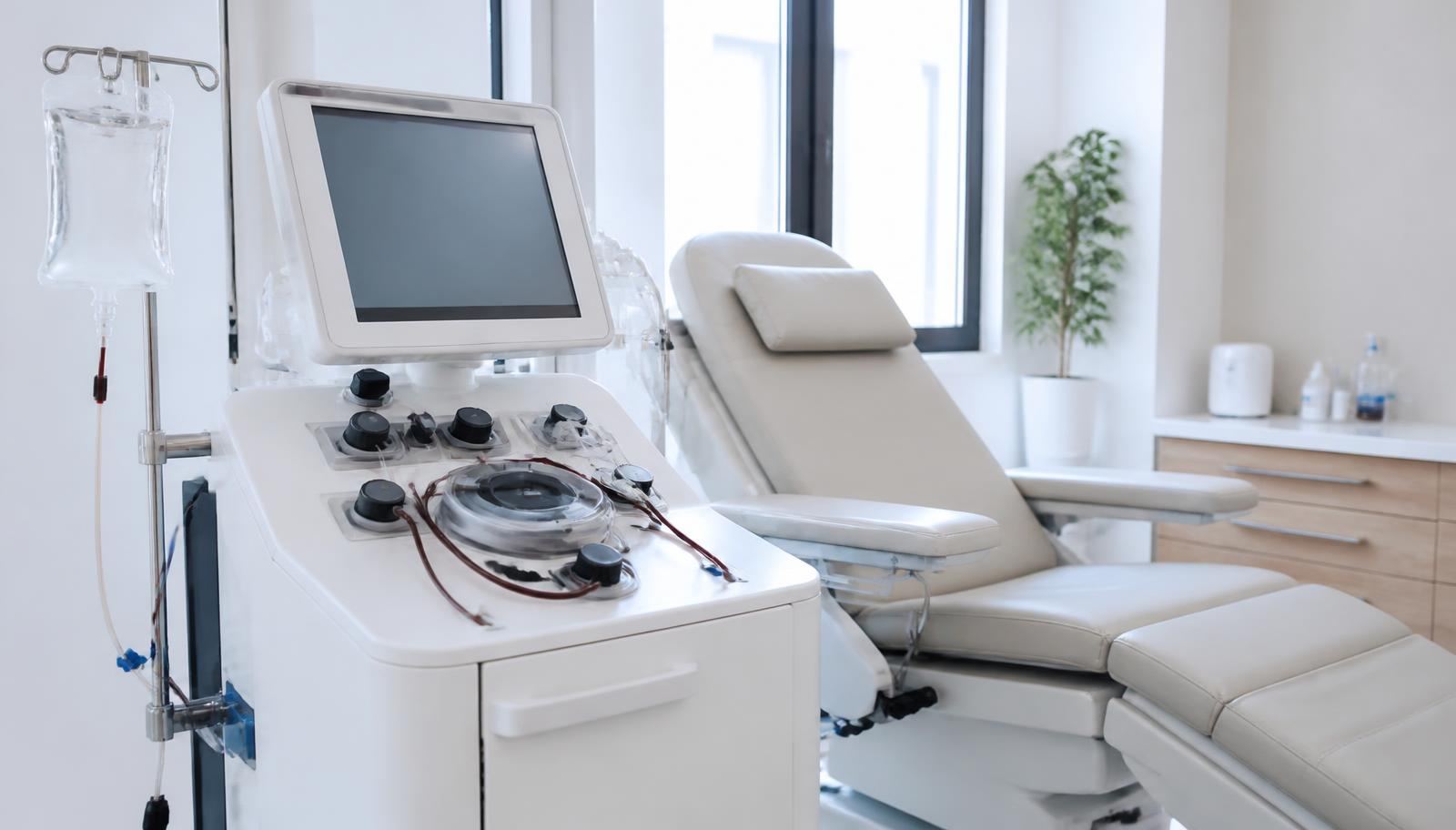
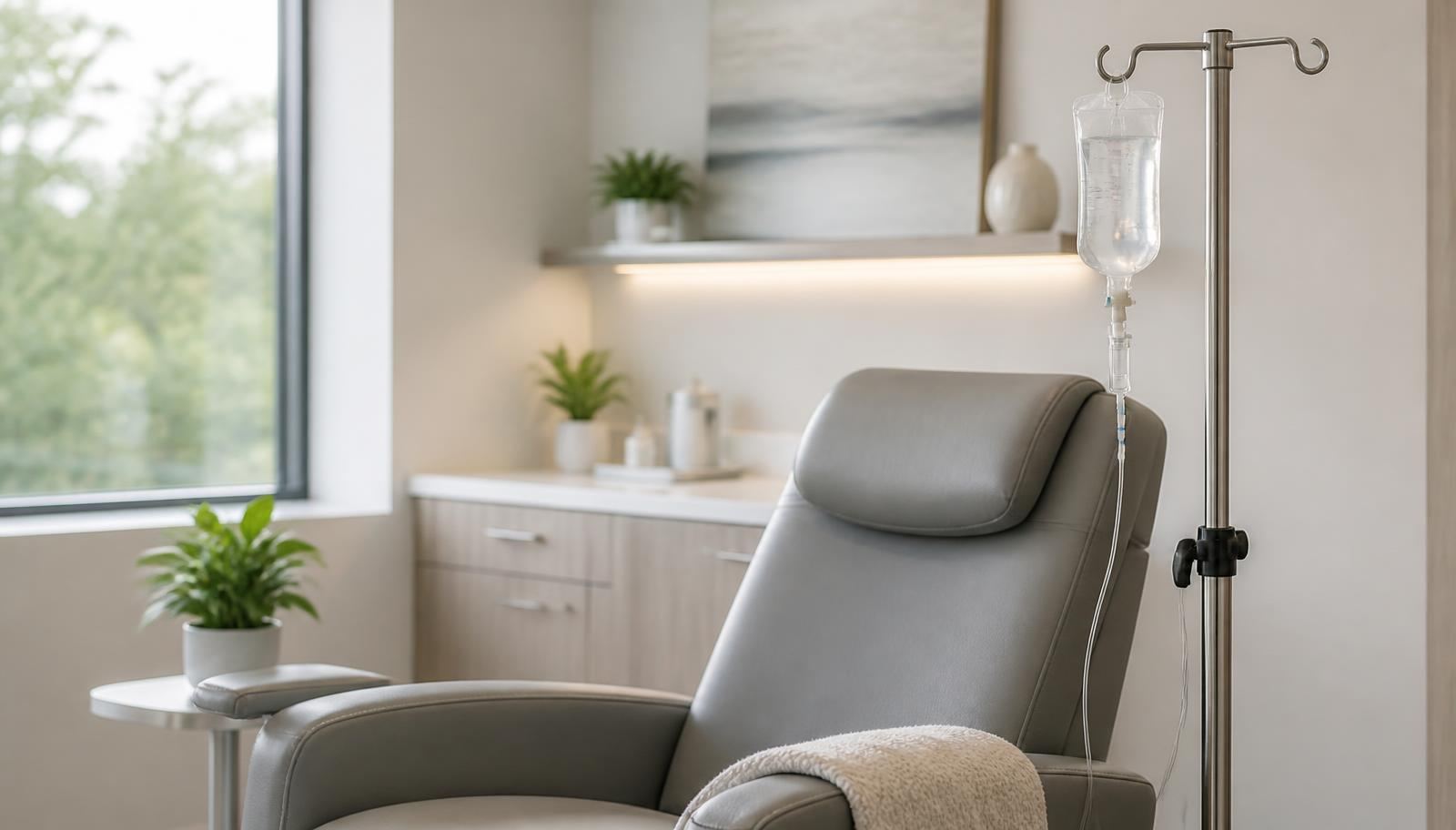
This is the basis on which supervised clinics offer low-dose methylene blue IV therapy, as a physician-monitored supportive infusion framed by what the research actually shows. The intravenous route is chosen because oral absorption of methylene blue varies widely between individuals, while an infusion delivers a precise, predictable dose under monitoring.
Patients often encounter methylene blue alongside other cellular-support therapies. It is frequently discussed in the same consultation as NAD+ IV therapy, which targets a different part of cellular energy metabolism, and with ozone therapy and hyperbaric oxygen therapy, which act on oxygen delivery and oxidative signalling through other mechanisms.
Methylene Blue Evidence and Its Limits
A fair summary of where methylene blue claims stand today:
| Claim | Evidence level | Honest reading |
|---|---|---|
| Treats methemoglobinemia | Established | Approved, standard hospital care |
| Supports mitochondrial energy production | Preclinical / early clinical | Mechanistically plausible; outcomes data developing |
| Proven anti-aging or memory treatment | Not established | Marketing claim ahead of the science |
The compound is genuinely interesting to researchers. That is different from being a proven treatment, and the distinction is where trustworthy providers separate themselves from supplement marketing. Anyone considering methylene blue should expect their clinic to talk about mechanisms and study limitations, not guaranteed outcomes.
Why Methylene Blue Purity and Supervision Matter
Two safety themes run through every responsible discussion of methylene blue:
- Grade. Only pharmaceutical-grade material is appropriate for human use. Aquarium and research-chemical products can carry heavy metal contamination and are a genuine hazard when self-administered.
- Screening. G6PD deficiency testing, a pregnancy check and a full medication review (particularly for antidepressants) are non-negotiable before any infusion, because methylene blue can trigger red blood cell breakdown in G6PD-deficient patients and serotonin syndrome alongside serotonergic drugs.
- Dose discipline. The difference between supportive and harmful dosing is narrow compared with most supplements, which is why physician-prepared infusions replace self-measured oral products.
All three are straightforward in a physician-led clinic, and all three are routinely skipped in unsupervised use. That is the practical case for the clinic route over self-sourcing.
Exploring Methylene Blue Therapy in Bangkok
For visitors considering low-dose methylene blue as part of a wellness programme in Thailand, the sensible path is a physician consultation first: history, medication review and G6PD screening, then an honest discussion of whether the infusion fits your goals. At MRC Healthcare it sits within a broader IV therapy programme that includes options such as NAD+ and nutrient drips, and it is often combined with other supportive services during a medical travel stay.
Bangkok's private healthcare sector works to internationally accredited standards, with infusions prepared from pharmaceutical-grade material and administered by licensed medical professionals. For practical planning, see our medical travel checklist for Thailand.
Talk Through Your Options With Our Medical Team
Bring your questions and current medication list, and our physicians will advise honestly on whether methylene blue therapy is appropriate and how it would be screened and supervised.
Schedule a Consultation