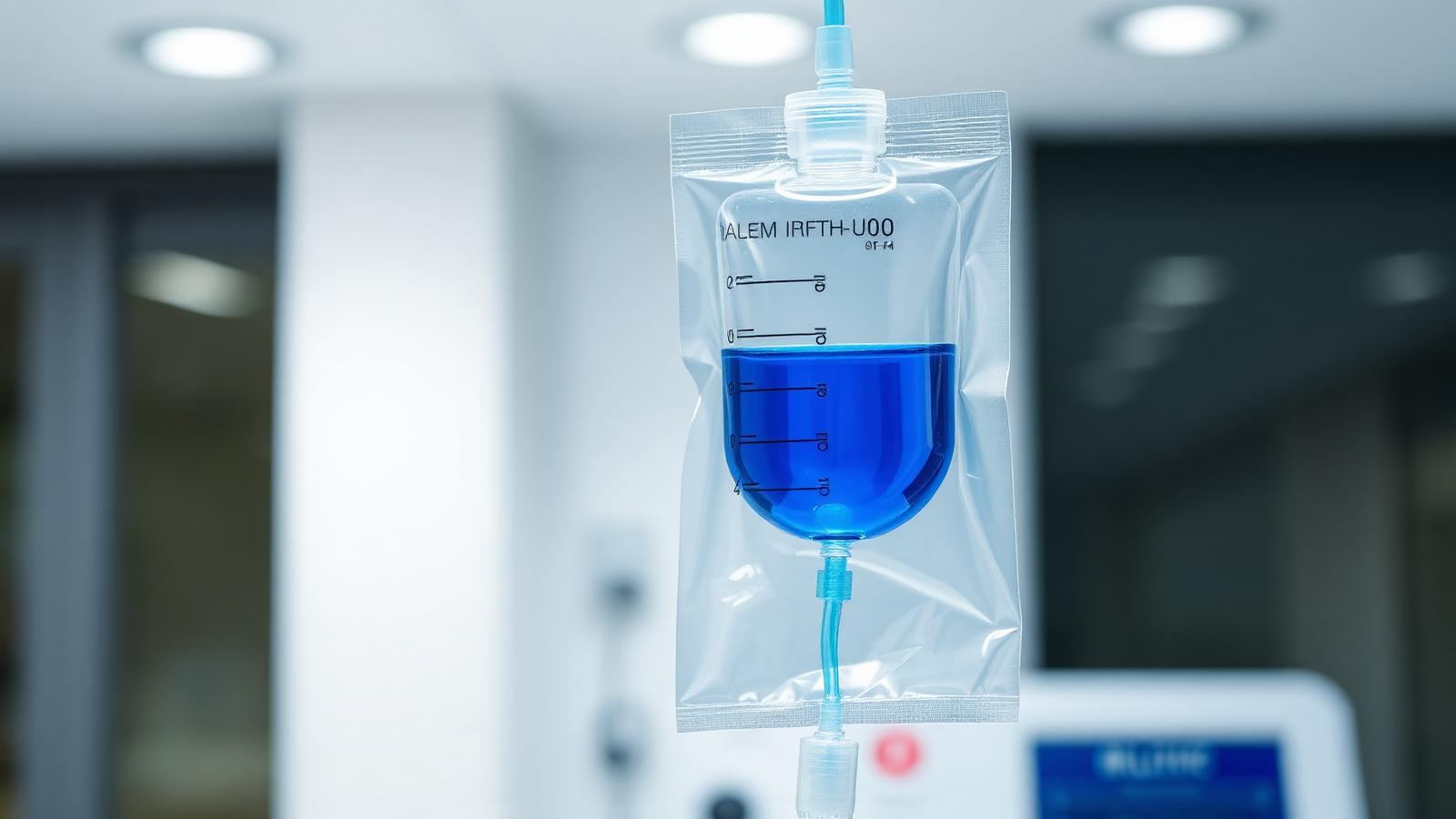
Methylene blue is one of the oldest synthetic medicines still in use — and one of the more interesting compounds now being studied in wellness and longevity medicine. In supervised clinic settings it is given as a low-dose intravenous infusion aimed at supporting cellular energy. Here is what it actually is, how it is thought to work, and how a session is run in Bangkok.
What Is Methylene Blue?
Methylene blue was first synthesised in 1876 as a textile dye, and within two decades it had become one of the earliest synthetic antimicrobial drugs in medical use. Its medical résumé is unusually long for a single compound:
- An approved treatment for methemoglobinemia, a condition where red blood cells cannot release oxygen properly
- A long history as a surgical and diagnostic dye
- Early use as an antimalarial agent before modern drugs replaced it
- Established use in critical care in specific vasoplegic conditions
The interest in low-dose methylene blue for energy and cognitive support is a separate chapter — one built on how the molecule behaves inside cells at concentrations far below those used in hospital protocols. Our companion article on what methylene blue is and where the evidence stands covers that background in more detail.
How Low-Dose Methylene Blue Interacts With Cells
At low concentrations, methylene blue is studied for its interaction with mitochondria — the structures inside cells that convert nutrients into usable energy. The mechanisms under investigation include:
- Electron transport support — acting as an alternative electron carrier in the mitochondrial chain, which may help maintain energy production when parts of that chain are inefficient
- Oxidative balance — influencing how reactive oxygen species are handled at low doses, a property that reverses at high doses, which is why dosing precision matters
- Cellular signalling — effects on nitric oxide pathways and related signalling under study in preclinical research
It is worth being direct about the framing: these are mechanisms observed in laboratory and early clinical research. They explain the scientific interest, but they are not proof of a specific health outcome in humans, and any honest clinic will present them that way.
What the Evidence Shows — and Its Limits
The research picture for low-dose methylene blue can be summarised fairly in three tiers:
| Area | State of evidence | How to read it |
|---|---|---|
| Methemoglobinemia (hospital use) | Established, approved | Standard of care; not the wellness application |
| Mitochondrial and cellular energy support | Preclinical and early clinical | Biologically plausible; human outcome data still limited |
| Cognitive and neuroprotection claims | Early-stage research | Interesting signals; not established benefit |
The responsible conclusion is that methylene blue has a genuine mechanistic basis, a long safety record at appropriate doses, and a wellness application whose evidence is still developing. It should be approached as a supervised supportive option — discussed with a physician — rather than as a proven treatment for fatigue, memory, or any condition.
What a Session in Bangkok Involves
A properly run methylene blue IV session follows a clear clinical sequence:
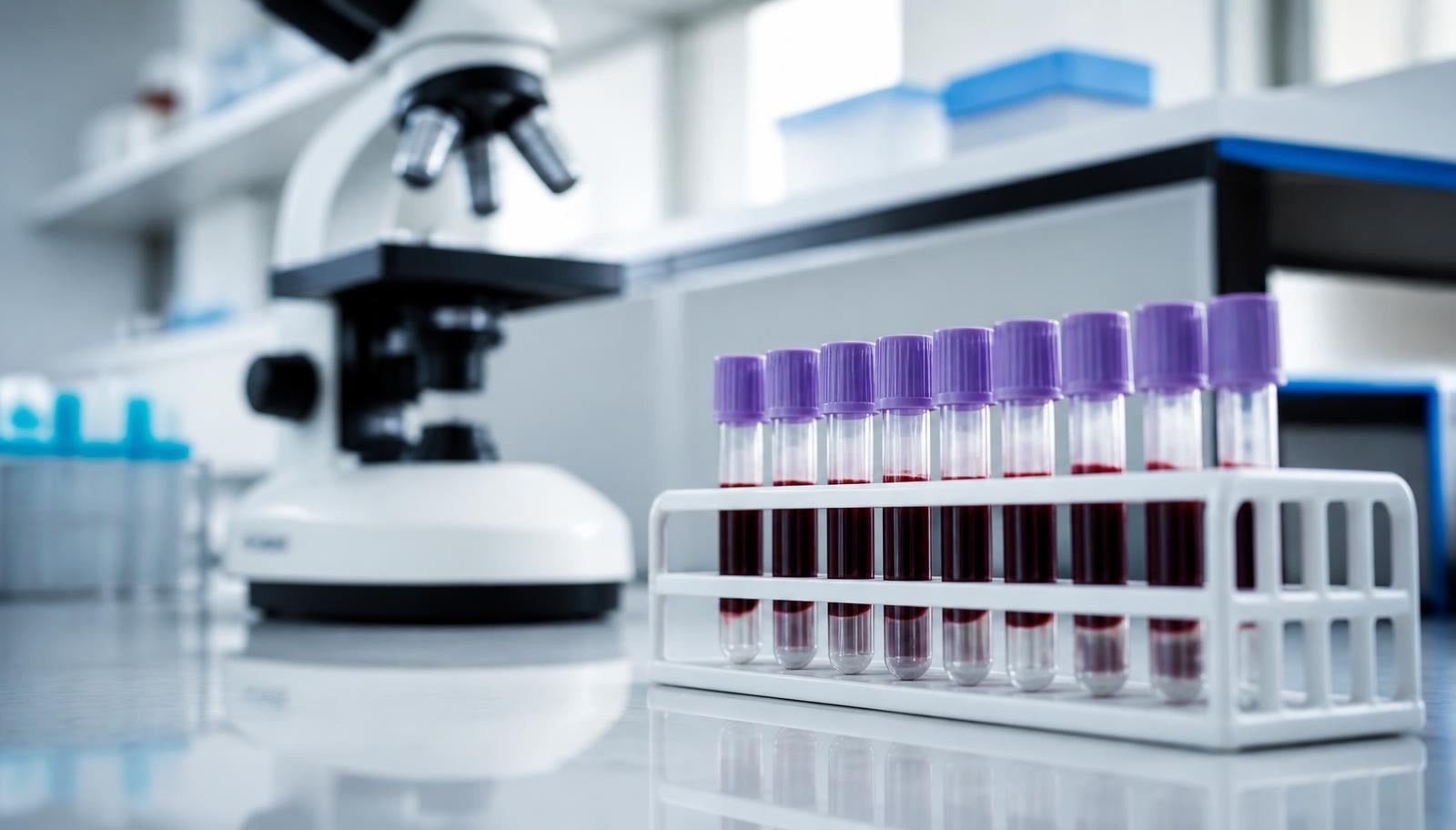
- Screening first — a physician consultation, a full medication review, and G6PD testing before anything is scheduled
- Preparation — the infusion is prepared fresh from pharmaceutical-grade methylene blue under controlled conditions
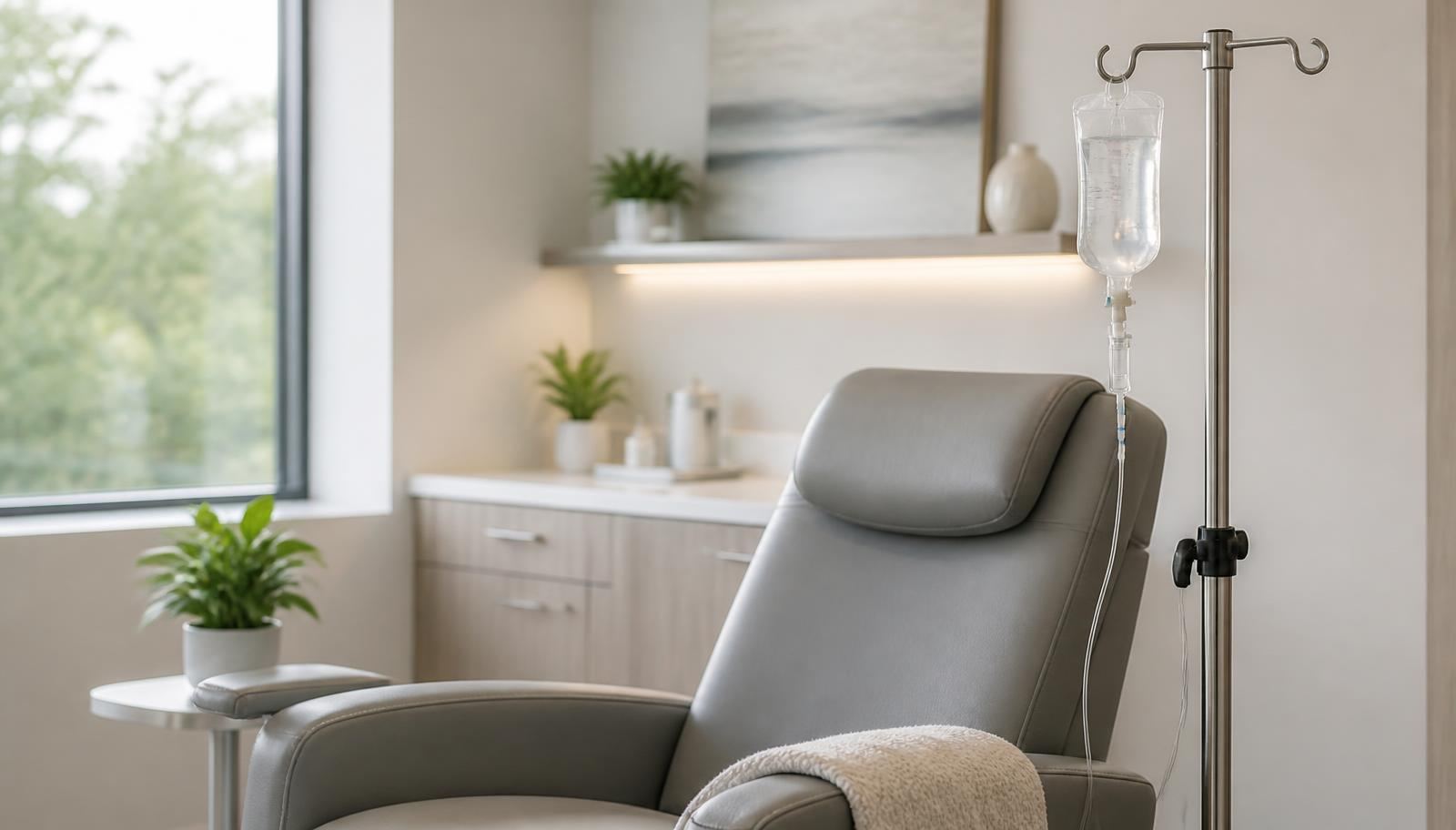
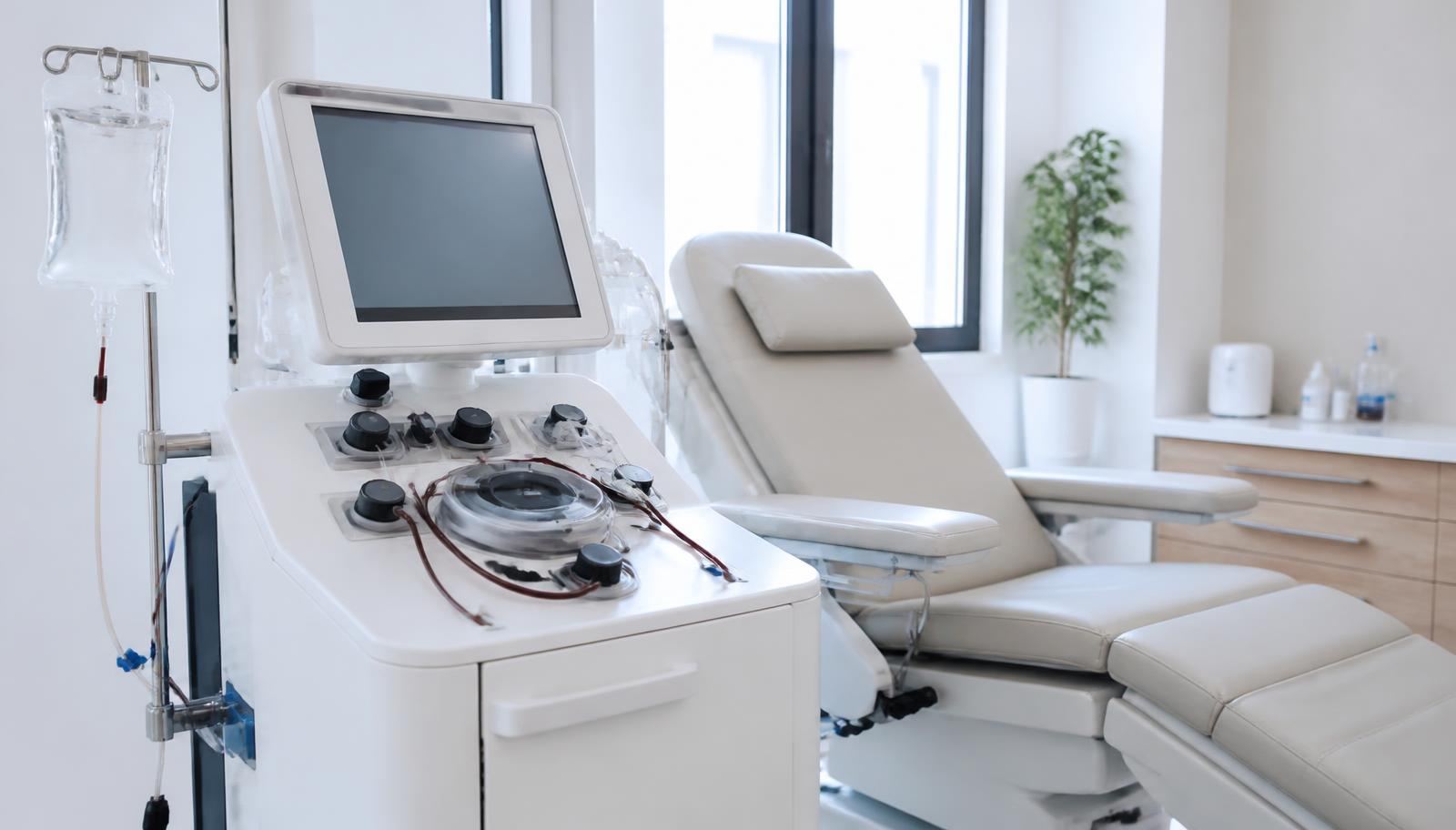
- Infusion — a slow IV administration over roughly 30 to 60 minutes in a comfortable setting, with staff monitoring throughout
- Afterwards — most people resume normal activity immediately; blue-tinted urine for a day or so is normal and harmless
Methylene blue sits within our broader IV drip therapy menu, and is often discussed alongside other cellular-support infusions such as NAD+ IV therapy. Patients weighing oxygen-based supportive options can also read about ozone therapy for immune support and what hyperbaric oxygen therapy is used for.
Safety, Screening and Who Should Avoid It
Methylene blue's safety profile is well characterised precisely because it has been in medical use for so long. At low, supervised doses most people tolerate it without issue. The non-negotiable exclusions are:
- G6PD deficiency — a genetic enzyme variant, common in parts of Asia and the Mediterranean, in which methylene blue can cause red blood cell breakdown. Testing is mandatory before treatment.
- Serotonergic medication — SSRIs, SNRIs, MAO inhibitors and similar drugs. Methylene blue inhibits monoamine oxidase and, combined with these, can trigger serotonin syndrome. A full medication list is essential.
- Pregnancy and breastfeeding — the treatment is not offered during pregnancy or while nursing.
These rules are exactly why the consultation comes first. A clinic that offers methylene blue without asking about G6PD or your antidepressant is not running the protocol safely — and that screening step is the single clearest marker of a legitimate provider.
Why Bangkok for Physician-Supervised IV Therapy
Bangkok's private healthcare sector is built around internationally accredited hospitals, physician-led wellness clinics and a regulatory framework that requires infusions to be administered by licensed medical professionals. For visitors from Australia, Singapore, the UK and Europe, that translates into a practical combination: physician oversight, pharmaceutical-grade preparation and pricing that sits well below comparable private care at home. We do not publish prices online; costs are discussed in consultation once a protocol is defined.
Most travellers schedule a methylene blue infusion within a broader stay, combining it with other therapies from our range of services. For help planning, see our medical travel checklist for Thailand.
Talk Through Your Options With Our Medical Team
Our physicians will review your health history, current medication and screening results, and advise honestly on whether methylene blue IV therapy is appropriate for you.
Schedule a Consultation