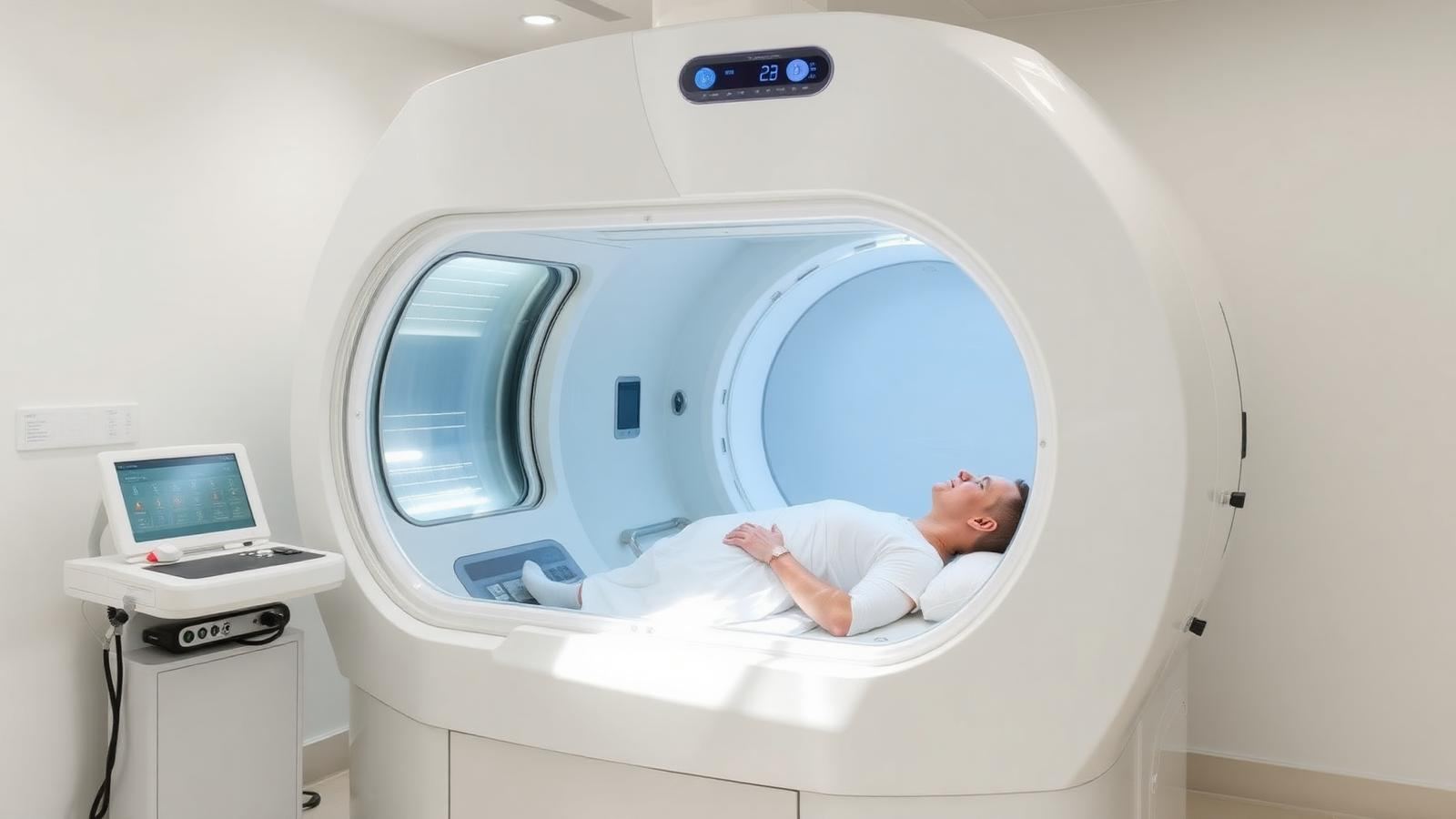
Understanding Lung Cancer
Lung cancer occurs when abnormal cells grow uncontrollably within lung tissue, often developing gradually over time. From a wellness and prevention perspective, lung cancer awareness focuses on understanding how long-term lung health influences overall risk.
Although lung cancer is commonly linked to smoking, it can also affect individuals with no smoking history. This makes preventive awareness and regular attention to lung health important for everyone.
Key Risk Factors Linked to Lung Cancer
Several factors are associated with increased lung cancer risk, including:
- •Smoking and tobacco exposure
- •Secondhand smoke
- •Air pollution and fine particles
- •Occupational exposure to chemicals or dust
- •Family history of lung cancer
Understanding these lung cancer risk factors helps individuals reduce avoidable exposure and make informed health decisions.
Why Lung Cancer Preventive Awareness Matters?
Early lung cancer may not cause noticeable symptoms. Awareness encourages people to pay attention to changes such as persistent cough, breathing discomfort, fatigue, or reduced stamina.
Seeking medical advice early does not mean a lung cancer diagnosis. It supports monitoring, reassurance, and informed preventive care.
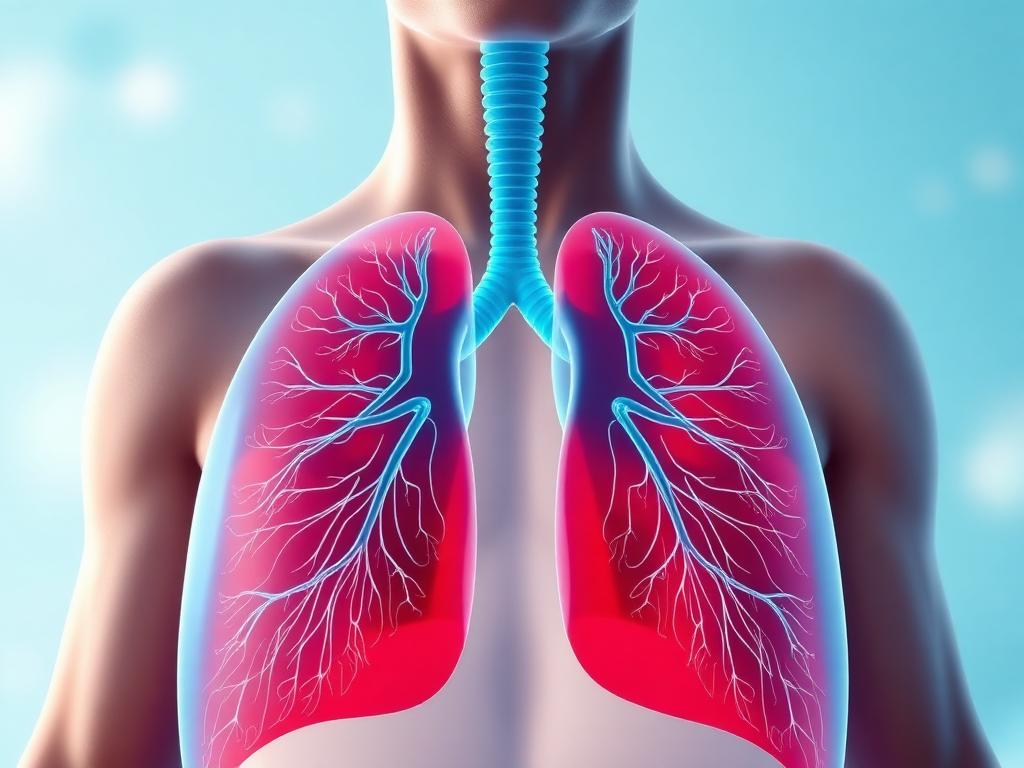
Everyday Wellness Habits That Support Lung Health
Daily wellness habits can support lung health and long-term respiratory function:
Avoid smoking and secondhand smoke
The most important step for lung cancer prevention
Improve indoor air quality
Use air purifiers and ensure proper ventilation
Stay physically active
Regular exercise strengthens respiratory function
Practice healthy breathing
Deep breathing exercises support lung capacity
Support lung health through balanced nutrition
Anti-inflammatory foods and antioxidants promote respiratory wellness
These habits support overall lung wellness and preventive lung cancer awareness.
When to Seek Medical Advice for Lung Cancer Concerns?
Preventive evaluation is especially important for individuals with lung cancer risk factors or ongoing symptoms. Consider medical guidance if you experience:
- •A persistent cough
- •Shortness of breath
- •Chest discomfort
- •Unexplained weight changes
Early assessment helps support proactive lung health management.
Key Takeaway
Lung cancer awareness begins with understanding risks and supporting lung health. Preventive attention, healthy habits, and timely medical guidance play an important role in long-term respiratory wellness.
Lung Cancer Awareness at MRC Health Care
At MRC Health Care, lung cancer awareness is supported through education, prevention, and responsible medical care. Our team helps individuals understand lung cancer risks and take proactive steps toward better lung health.
Ready to Take a Preventive Step?
If you want to learn more about lung cancer awareness or lung health monitoring, our team at MRC Health Care is here to help.
Schedule a Consultation