After a Stroke, the Real Work Begins
The hospital stay is a blur of scans, monitors and doctors. Then comes the part nobody fully prepares you for: home. A hand that will not grip a cup. A leg that drags on the stairs. Words that are there in the mind but will not come out. Rehabilitation brings real progress for weeks or months, and then, for many people, the gains slow down.
That plateau is often when people start searching for stem cell therapy for stroke. They want to know whether anything can help the brain keep recovering. It is a fair question, and it deserves an answer grounded in evidence rather than hope alone.
This guide explains what a stroke changes in the brain, why rehabilitation remains the foundation, and where cell-based research genuinely stands today.
What a Stroke Changes in the Brain
A stroke happens when blood supply to part of the brain is blocked (ischaemic stroke) or a vessel bleeds (haemorrhagic stroke). Brain cells in the core of the damaged area are lost quickly. Around them sits tissue that is injured, inflamed and struggling, but not yet lost.
Common lasting effects include:
- •Weakness or stiffness on one side of the body
- •Difficulty speaking or understanding language (aphasia)
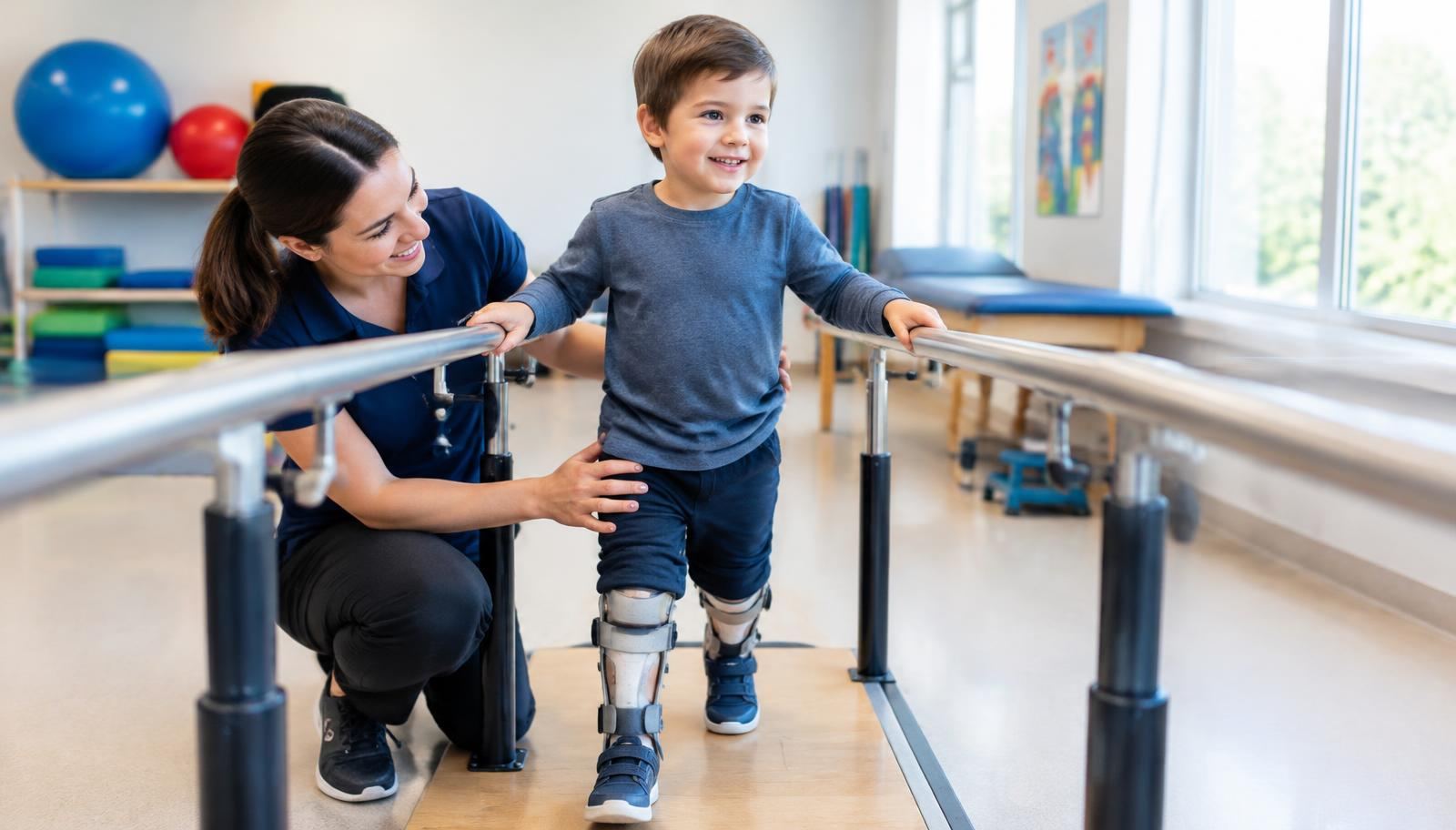
- •Problems with balance, walking and coordination
- •Fatigue, low mood and changes in concentration
- •Difficulty swallowing or changes in vision
The brain is not static after a stroke. Through neuroplasticity, healthy areas can gradually take over some lost functions, especially with intensive practice. Our stroke recovery condition page covers the condition in more depth.
Rehabilitation Is the Foundation
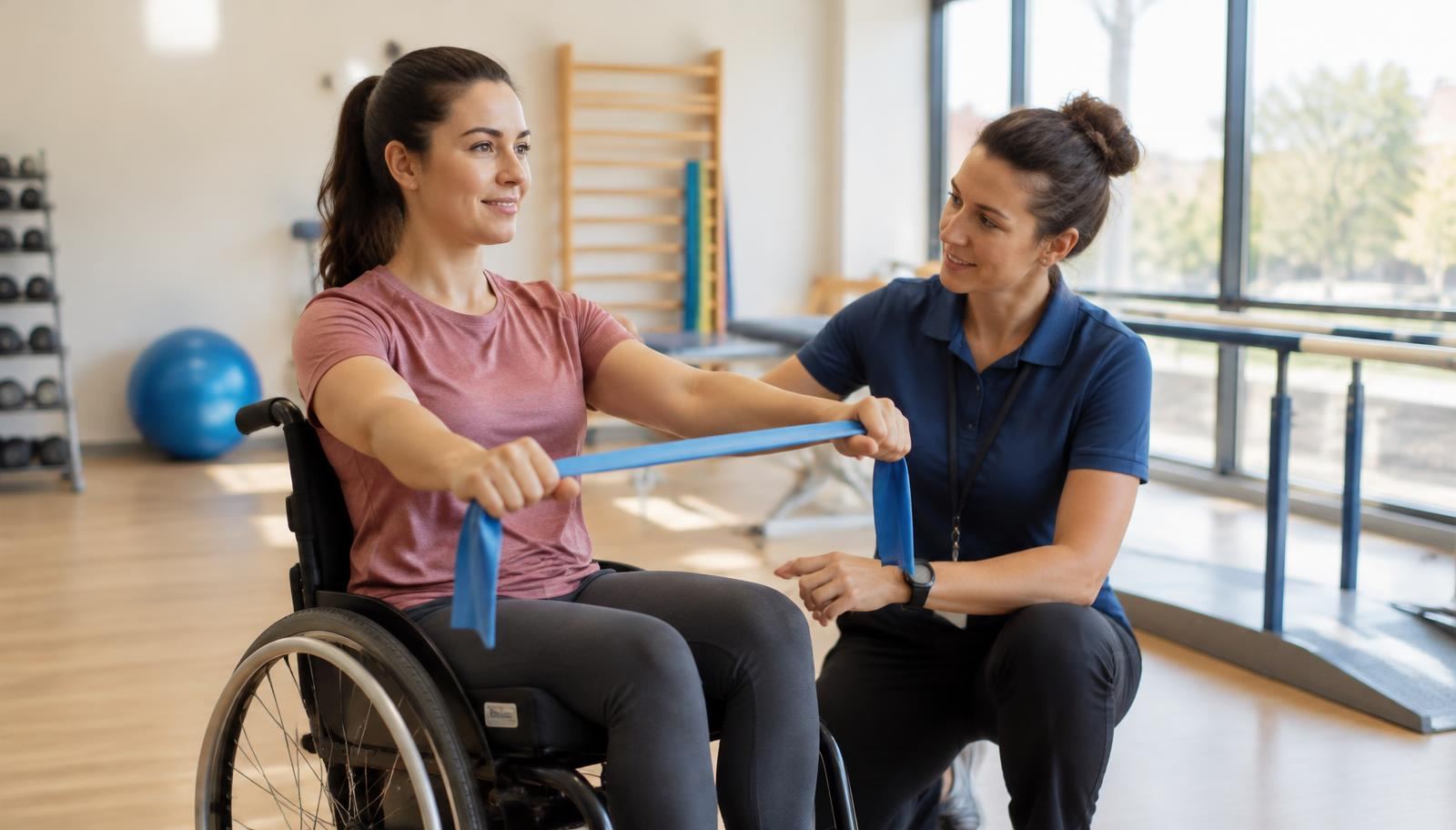
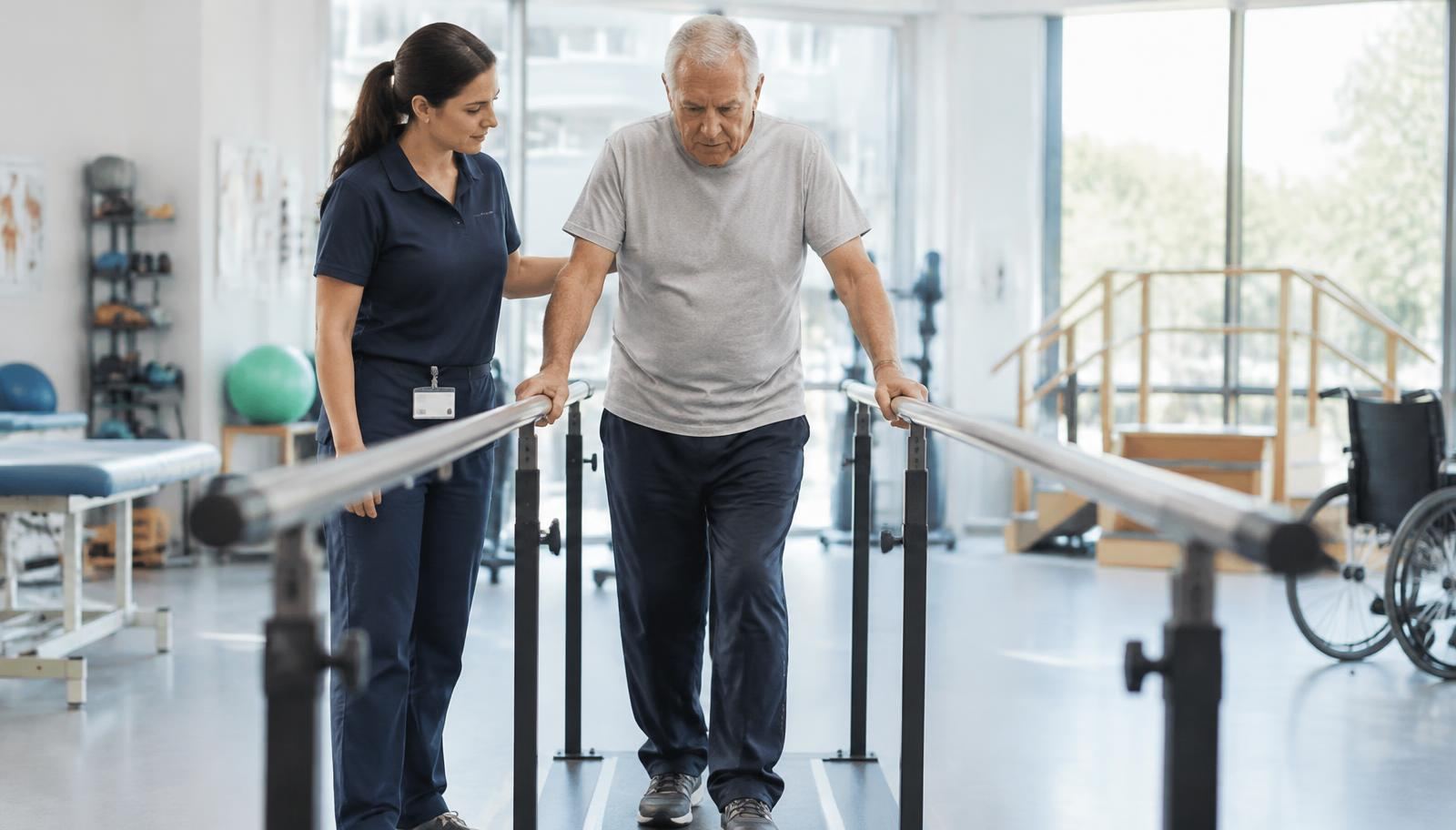
Physiotherapy, occupational therapy and speech therapy drive most stroke recovery. The common thread is repetition: practising a movement or task hundreds of times so the brain rewires around the damage. Newer approaches such as constraint-induced movement therapy, robotic-assisted training and task-specific practice can help some people beyond the early months.
A plateau is real, but it is not always final. Changing the rehabilitation approach, increasing intensity or setting new, specific goals can restart progress for many people. Managing fatigue, mood and sleep also makes therapy more effective.
The limitation is that rehabilitation cannot bring back brain tissue that has been lost. That is the gap regenerative research is trying to address.
Stem Cell Therapy for Stroke: Where Research Stands
The research focus is not usually on replacing lost brain cells directly. Instead, scientists are studying whether cells, particularly mesenchymal stem cells (MSCs), can support the brain's own repair processes. MSCs release signalling molecules that calm inflammation, support new blood vessel growth and may encourage the brain's capacity to rewire.
Clinical trials have tested cell-based approaches in both early and chronic stroke, delivered intravenously or directly near the injured area. Overall, these studies suggest the approach can be delivered with an acceptable safety profile in research settings. Results on recovery have been mixed: some studies reported improvements in certain measures, while larger controlled trials have not consistently confirmed a clear benefit.
The honest position: stem cell therapy for stroke is investigational. Where it is considered, the realistic aim is supportive, combined with rehabilitation, with clear goals measured over time. For context on similar injuries, see stem cell therapy after spinal cord injury and how stem cells interact with inflammation.
Comparing the Options
| Approach | What it does | Role in stroke recovery |
|---|---|---|
| Physiotherapy and occupational therapy | Retrains movement and daily tasks | Foundation, at every stage |
| Speech and language therapy | Rebuilds communication and swallowing | Essential where language is affected |
| Risk factor medication | Controls blood pressure, clotting, cholesterol | Prevents a further stroke |
| Stem cell therapy | May support repair and the brain environment | Investigational, alongside rehabilitation |
Protecting Against Another Stroke
Every recovery plan should include prevention. Keeping blood pressure in range, taking prescribed blood thinners or cholesterol medication, treating atrial fibrillation, managing diabetes, stopping smoking and staying active all reduce the risk of another stroke. Our article on atrial fibrillation treatment explains one of the most common hidden causes.
How Assessment Works at MRC Healthcare
At MRC Healthcare, a stroke enquiry begins with a review of brain imaging, the cause of the stroke, current medication, heart rhythm and blood pressure control, and progress in rehabilitation. Our physicians will say clearly when a supportive option is unlikely to add value.
Where supportive care is considered, cells are prepared in a certified laboratory, goals are agreed in advance, and rehabilitation continues throughout. Patients travelling from Australia, Singapore, Europe and beyond can send records first and begin with a remote consultation. Related reading: Parkinson's disease treatment options.
Medical References
- MedlinePlus, US National Library of Medicine. Stroke
- NHS. Stroke: overview, treatment and recovery
- International Society for Stem Cell Research. Guidelines for Stem Cell Research and Clinical Translation
Plan the Next Stage of Recovery
Send your scans and rehabilitation notes to MRC Healthcare. Our medical team will give you an honest view of your options, including when the best step is more rehabilitation.
Schedule a Consultation