Life After a Spinal Cord Injury
Nobody plans for it. An accident, a fall, a moment, and then a hospital bed, a new vocabulary of vertebrae and levels, and a team of people explaining what comes next while you are still trying to understand what just happened.
Months later, many people hit the same wall: rehabilitation has taken them far, then progress slows, and the plateau feels like a verdict. That is usually when people start searching for stem cell therapy for spinal cord injury, looking for something that might move the line again.
This guide explains what a spinal cord injury is, what rehabilitation genuinely achieves, and where cell-based research realistically stands, including its limits.
What a Spinal Cord Injury Actually Is
The spinal cord is the main cable between the brain and the body. When it is injured, signals can no longer pass freely past the injury point, which is why function below that level is affected.
Two distinctions shape everything that follows:
- •Complete injury: no sensation or movement below the level of injury
- •Incomplete injury: some signals still pass, and the scope for recovery is greater
- •The level of injury: higher injuries affect more of the body
- •Time since injury: the first year brings the fastest natural recovery, but improvement can continue for years
After the initial trauma, a secondary wave of damage follows over days and weeks: inflammation, scarring and loss of cells that survived the original injury. Much of the research interest in cell therapy targets exactly this secondary process.
What Rehabilitation Achieves
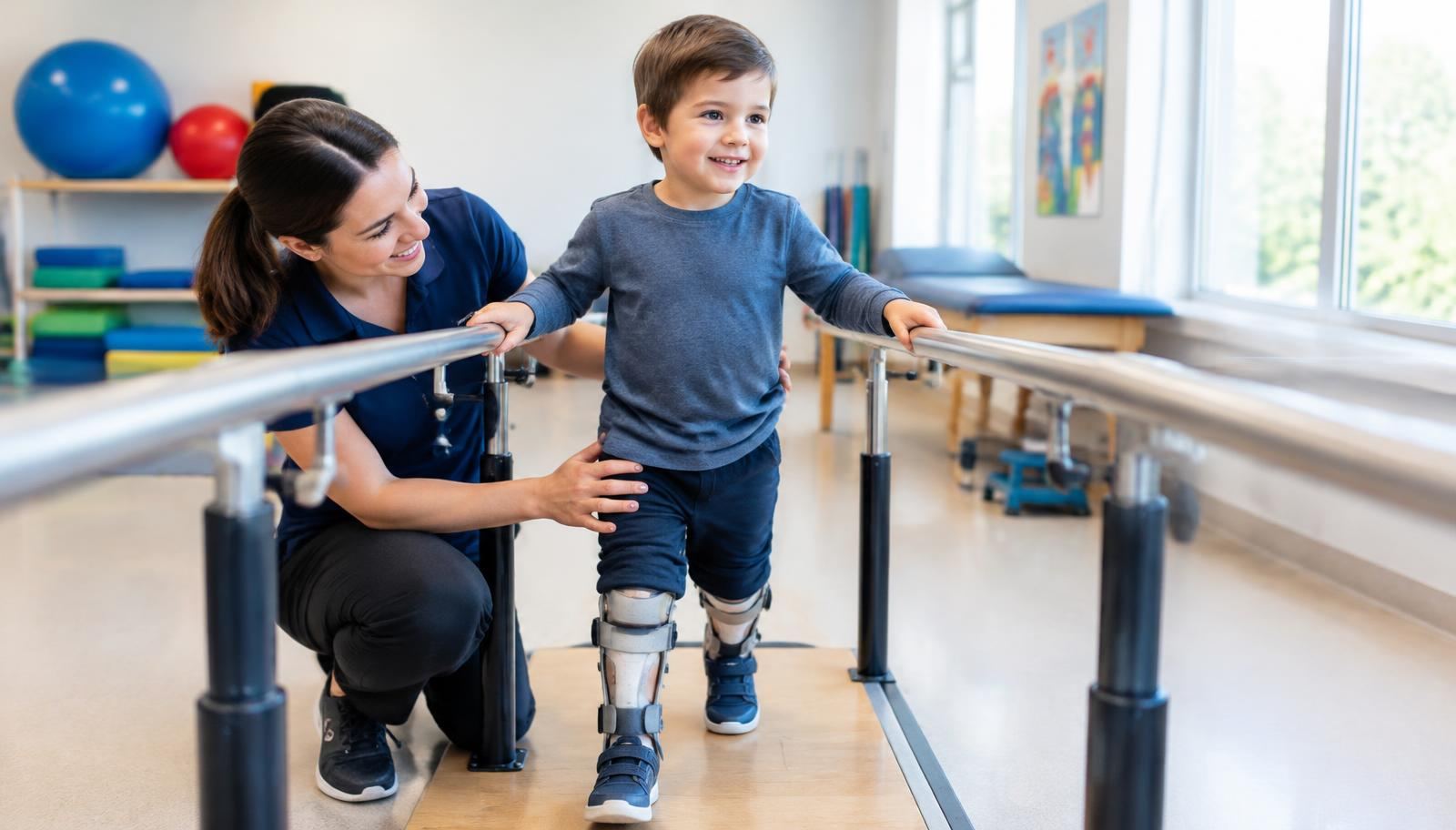
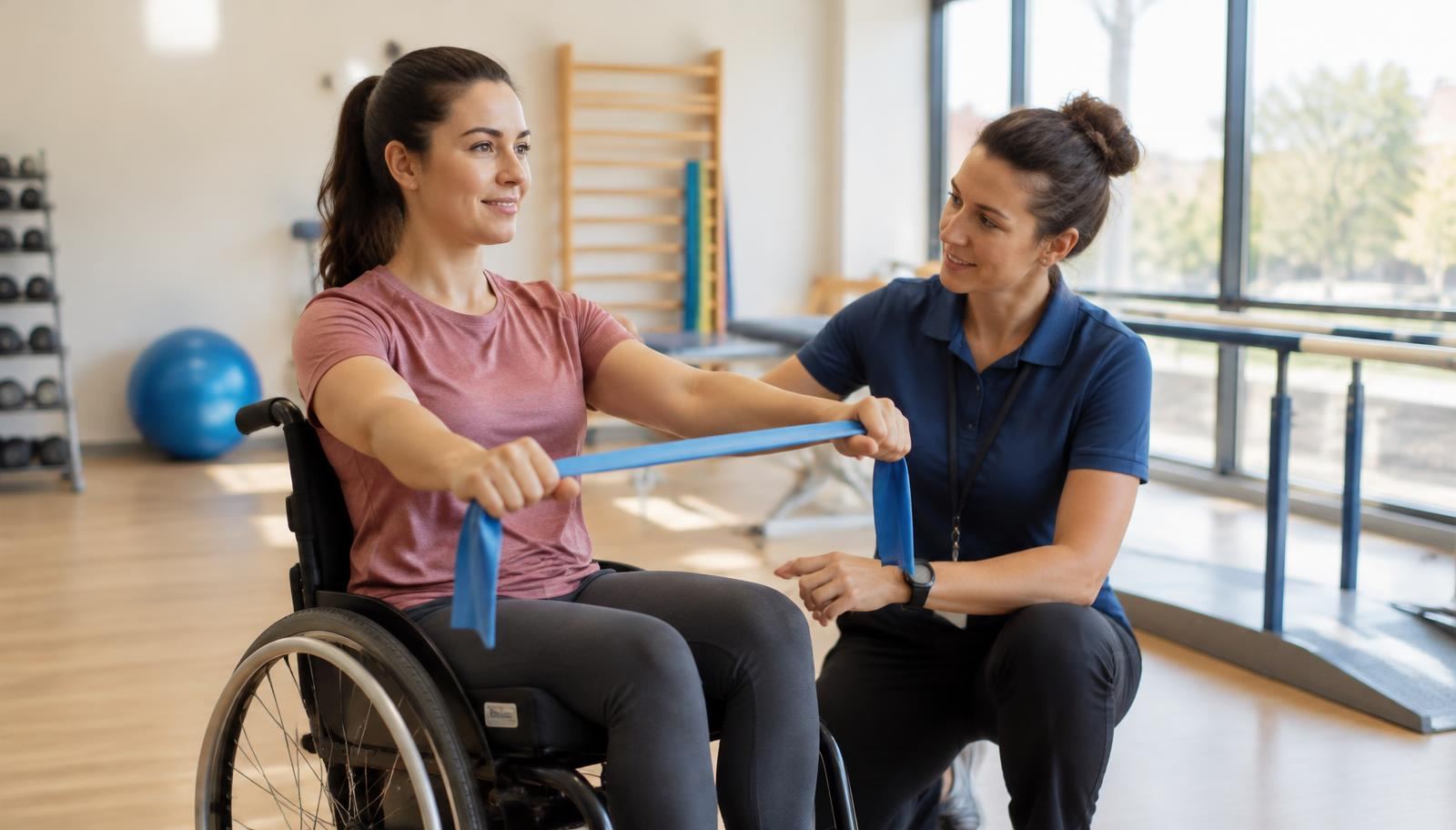
Rehabilitation is not a consolation prize. It is the proven treatment. Intensive physiotherapy, occupational therapy and activity-based training build strength, independence and real function, and the nervous system adapts, especially in incomplete injuries.
Modern rehab increasingly includes technologies such as functional electrical stimulation, body-weight-supported treadmill training and robotic assistance. Managing the whole person matters just as much: bladder and bowel care, pain, spasticity, bone health and mood all shape long-term outcomes.
The honest limitation is that rehabilitation works with the nervous system that remains; it cannot regrow the cord. That gap is where regenerative research sits. Our article on stem cell therapy for back pain covers degenerative spine problems, a different and far more common situation.
Stem Cell Therapy for Spinal Cord Injury: Where the Evidence Stands
Researchers are studying several cell types, including mesenchymal stem cells, for their ability to calm inflammation, limit secondary damage and support the environment around the injured cord. Early clinical trials have shown that delivery can be done safely in carefully selected patients, and some studies report modest functional changes in some participants.
The honest position: stem cell therapy for spinal cord injury is investigational. No cell therapy is proven to restore walking or reverse paralysis, and any clinic promising that should be walked away from. Where it is considered, the realistic framing is supportive, alongside an active rehabilitation programme, with goals defined honestly in advance.
For related reading, see stem cell treatment for neuropathy and how to think about stem cell safety.
Comparing Your Options
| Approach | What it does | Role in recovery |
|---|---|---|
| Rehabilitation and activity-based therapy | Builds function, strength and independence | Proven foundation, lifelong |
| Medical management | Controls pain, spasticity, bladder and bone health | Standard care, essential |
| Assistive technology | Restores capability and independence | Practical, immediate benefit |
| Stem cell therapy | May support the injured cord's environment | Investigational, alongside rehabilitation |
Assessment in Bangkok at MRC Healthcare
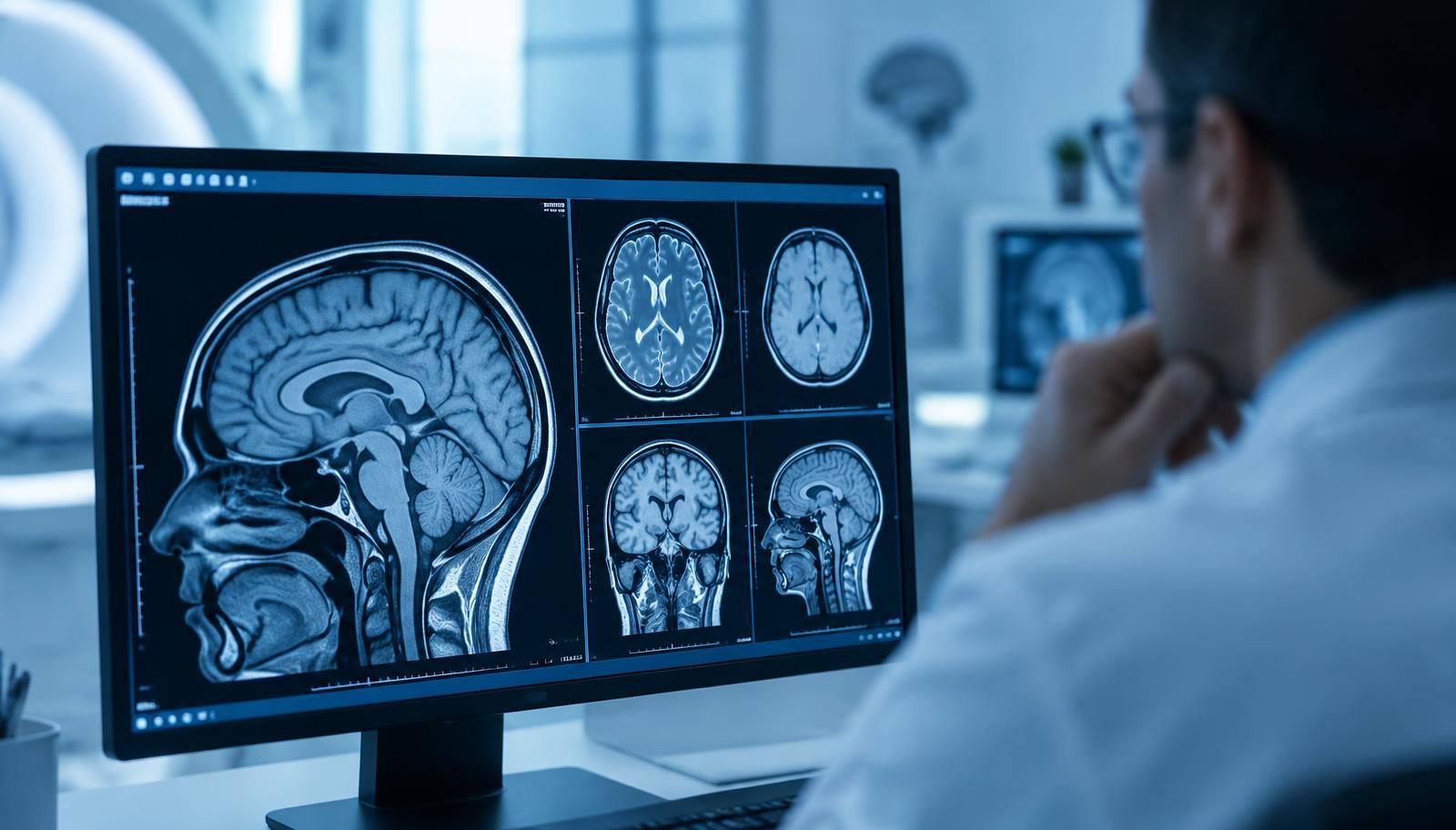
At MRC Healthcare, a spinal cord injury enquiry begins with a careful review: the level and completeness of the injury, imaging and surgical reports, time since injury, and your current rehabilitation programme. Where we do not believe supportive treatment offers a reasonable prospect of benefit, we say so plainly.
Where it is considered, cell preparation takes place in our certified laboratory, and any plan is built around specific functional goals agreed in advance and reviewed at a set point. Your rehabilitation programme continues throughout and is never replaced.
For Patients Travelling from Abroad
Patients visit our Bangkok facility from Australia, Singapore, Europe and beyond. Records can be reviewed in advance and a first consultation can often begin remotely, so you know whether a trip is worthwhile before making arrangements.
Travelling with a spinal cord injury needs careful planning: transfers, accommodation access, pressure care and pacing. Our coordination team helps plan the stay around your needs, with English-speaking support throughout.
Medical References
- MedlinePlus (US National Library of Medicine). Spinal Cord Injuries
- International Society for Stem Cell Research. Guidelines for Stem Cell Research and Clinical Translation
Get an Honest Answer About Your Recovery
Send your imaging reports and rehabilitation history to MRC Healthcare. Our medical team will tell you plainly whether any supportive option may have a place, including when the honest answer is that it does not.
Schedule a Consultation