When Your Child's Muscles Won't Listen
You notice it before anyone says it. Your baby stiffens when you pick them up, or one hand stays fisted while the other reaches. Later come the appointments, the scans, and the words cerebral palsy, and then years of physiotherapy, stretching, braces and exercises before breakfast.
Most parents reach the same point eventually: therapy is helping, but progress is slow, and you start wondering whether anything else exists. That is usually when families find stem cell therapy for cerebral palsy, often late at night, often after a hard week.
This guide is written for those parents. It explains what cerebral palsy is, what standard care genuinely achieves, and where cell-based approaches realistically stand, including their limits.
What Cerebral Palsy Actually Is
Cerebral palsy is the result of an injury to the developing brain, usually before or around birth. The injury itself does not get worse over time, but its effects on movement, posture and muscle tone change as a child grows.
The main types differ in how they affect the body:
- •Spastic: stiff, tight muscles, the most common type
- •Dyskinetic: involuntary, uncontrolled movements
- •Ataxic: problems with balance and coordination
- •Mixed: a combination of patterns
The type and severity shape every treatment decision, which is why any credible assessment starts with understanding your child's specific pattern, not a generic protocol.
What Standard Care Achieves
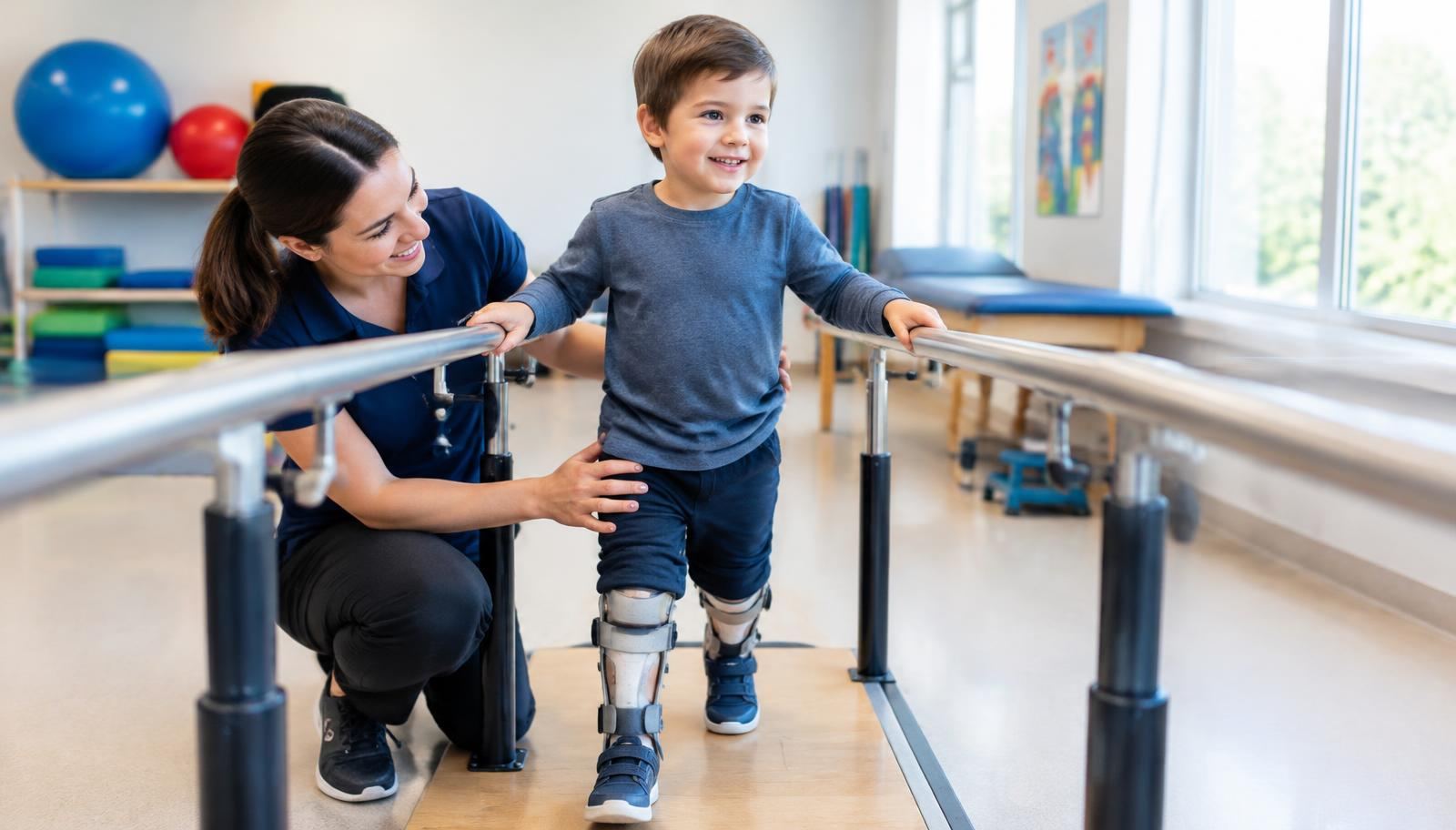
Standard care is the foundation and it deserves respect. Physiotherapy builds strength, posture and mobility. Occupational therapy develops daily skills and independence. Speech therapy supports communication and safe swallowing. For muscle stiffness, doctors may use botulinum toxin injections, oral medication, or in selected cases orthopaedic or neurosurgical procedures.
Children who receive consistent, well-coordinated therapy genuinely do better. This is not a holding pattern while families wait for something better; it is the treatment.
The honest limitation is that therapy works around the brain injury rather than repairing it. That is the gap where research into cell-based approaches sits, and where families should expect careful, honest answers rather than promises.
Stem Cell Therapy for Cerebral Palsy: Where the Evidence Stands
Research has focused mainly on umbilical cord blood cells and mesenchymal stem cells, chosen for their anti-inflammatory and signalling properties. Some clinical studies, particularly those using a child's own stored cord blood, have reported modest improvements in motor function in some children. Results vary, and not every study shows benefit.
The honest position: stem cell therapy for cerebral palsy is investigational. It is not a cure, it does not replace therapy, and no responsible provider will frame it as either. Where it is considered, the realistic framing is supportive, alongside an active therapy programme, with goals defined in advance and reviewed honestly.
For related reading, see our guides to autism support, what stem cells are and stem cell safety.
Comparing Your Options
| Approach | What it does | Role in cerebral palsy care |
|---|---|---|
| Physiotherapy and occupational therapy | Builds movement, posture and daily skills | Foundation of care, lifelong |
| Spasticity treatment | Reduces muscle stiffness and pain | Standard medical management |
| Orthopaedic or neurosurgical procedures | Corrects joint and muscle problems | Selected cases, specialist decision |
| Stem cell therapy | May support the brain's environment and repair signalling | Investigational, alongside therapy |
Assessment in Bangkok at MRC Healthcare
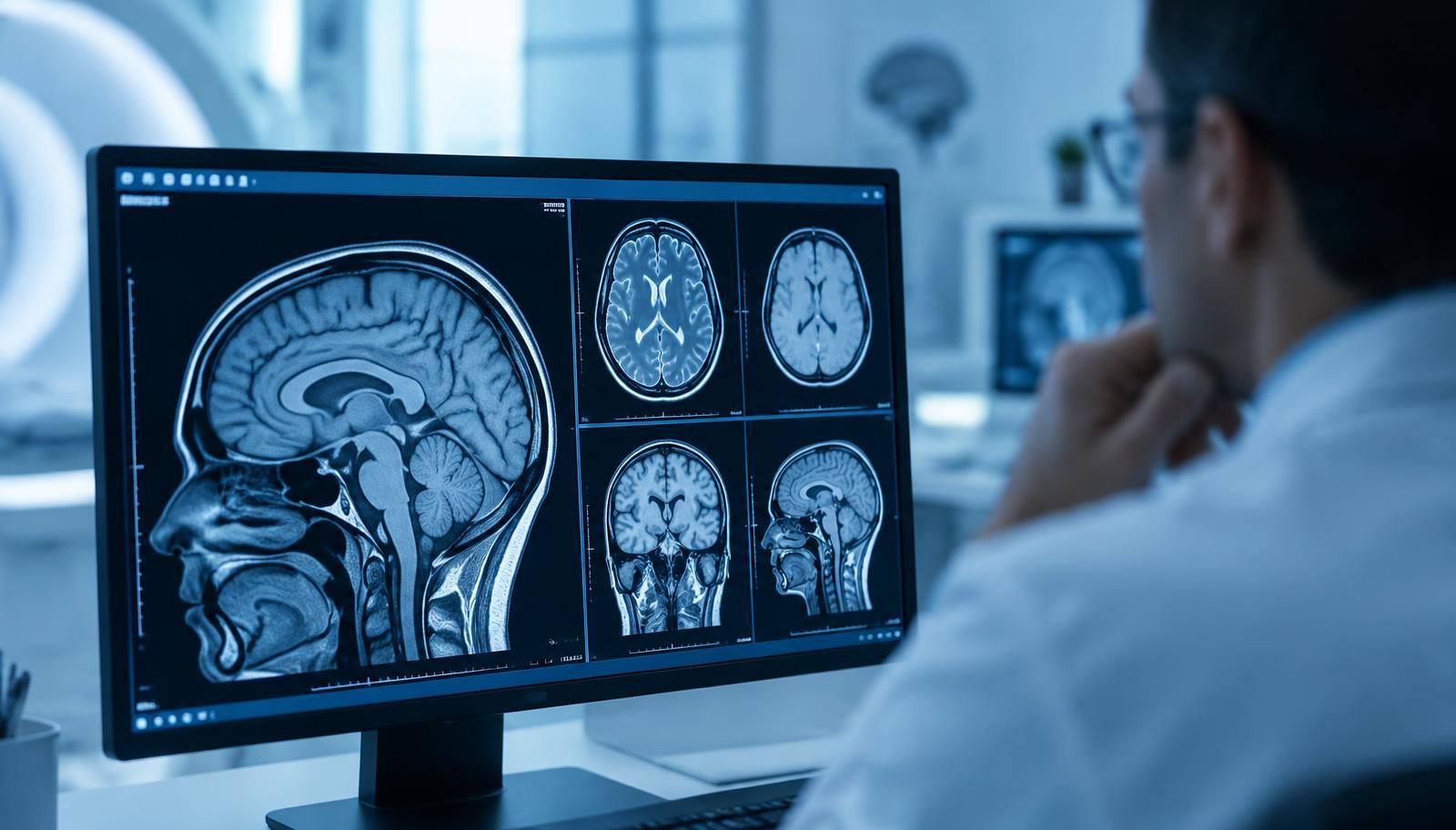
At MRC Healthcare, a cerebral palsy enquiry begins with a careful review of your child's history: the diagnosis, brain imaging, current therapy programme and overall health. Where we do not believe supportive treatment offers a reasonable prospect of benefit, we say so.
Where it is considered, cell preparation takes place in our certified laboratory, and any plan is built around specific functional goals agreed with the family, reviewed at a set point. Your child's existing therapy programme continues throughout and is never replaced.
For Families Travelling from Abroad
Families visit our Bangkok facility from Australia, Singapore, Europe and beyond. Records can be reviewed in advance and a first consultation can often begin remotely, so you know whether the trip is worthwhile before booking it.
Travelling with a child who has mobility needs takes planning. Our coordination team helps with scheduling, realistic pacing for your child, and English-speaking support throughout the stay.
Medical References
- NHS. Cerebral palsy: symptoms, causes and treatment
- International Society for Stem Cell Research. Guidelines for Stem Cell Research and Clinical Translation
Get an Honest Answer About Your Child's Options
Send your child's medical history and imaging reports to MRC Healthcare. Our medical team will tell you plainly whether any supportive option may have a place, including when the honest answer is that it does not.
Schedule a Consultation