The Moment Parents First Notice
It often starts quietly. You call your child's name across the room and nothing happens. Other children at the playground point at birds and look back to share the moment; yours plays alone, lining up the same toys in the same order. Words that seemed to be emerging fade away.
Many parents describe a period of uncertainty before anyone says the word autism. That uncertainty is painful, but it is also the right time to act. The earlier a child receives a proper developmental assessment, the sooner supportive therapies can begin.
This guide walks through what autism is, which therapies carry the strongest evidence, and where newer approaches such as stem cell therapy for an autistic child may fit within a careful, medically supervised plan in Bangkok.
What Autism Is and Is Not
Autism spectrum disorder is a neurodevelopmental difference affecting communication, social interaction, behavior and sensory processing. It is not an illness to be cured, and it is not caused by anything a parent did or did not do.
Research points to a combination of genetic, prenatal and biological factors. Ongoing studies are exploring how immune activity and inflammation may influence neurological development in some children, which is one reason regenerative medicine has entered the conversation.
For a broader overview of the condition itself, see our article on autism support through integrative care and our autism condition page.
The Therapies That Come First
Before any medical approach is discussed, every child deserves access to the therapies with the strongest evidence base:
- •Behavioral therapy to build communication and adaptive skills
- •Speech and language therapy tailored to the child's level
- •Occupational therapy for sensory and daily living skills
- •Structured educational support
- •Parent training, because progress continues at home
These remain the foundation. Any medical or regenerative approach should be considered an addition to this foundation, never a substitute for it.
Where Stem Cell Therapy for an Autistic Child May Fit
Stem cell therapy in the context of autism is an evolving, investigational area. The rationale studied most often involves mesenchymal stem cells, which are being examined for their ability to modulate inflammation and immune activity rather than to rebuild brain tissue.
Where it is offered under medical supervision, a responsible program includes:
- •A detailed developmental and medical evaluation first
- •Blood tests and, where relevant, inflammatory and immune markers
- •Intravenous infusion over one or more sessions
- •Clear communication about what is known and what is not
- •Coordination with the child's existing therapists
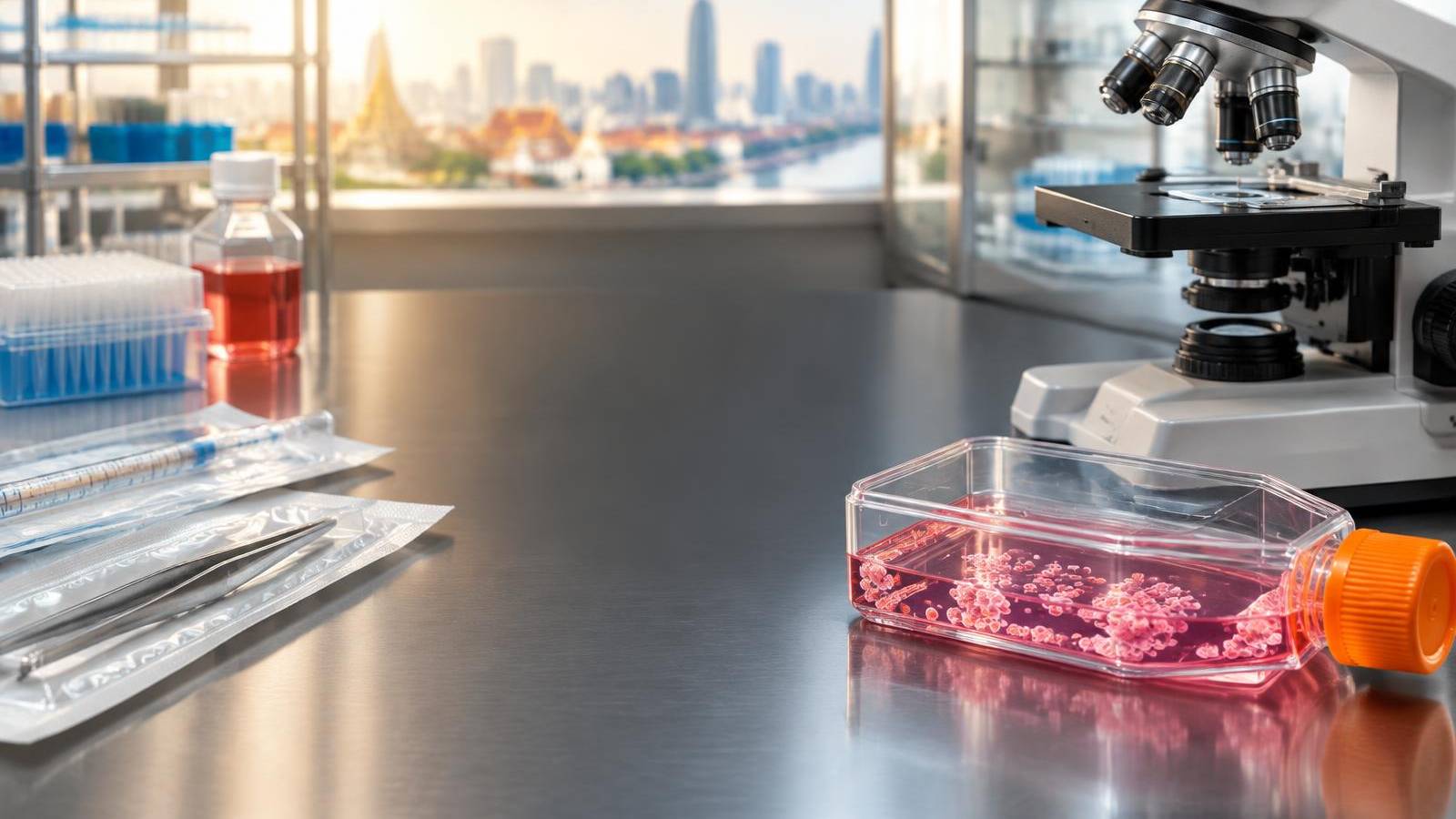
Families researching this path often also ask about MSC therapy and how cell-based approaches are prepared in a certified laboratory.
What the Research Actually Says
Clinical studies so far are small and results are mixed. Some report improvements in certain behavioral measures or inflammatory markers; others show limited or no effect. No major medical body recognizes stem cell therapy as a standard treatment for autism, and honest providers will say so plainly.
What this means for parents: it is reasonable to ask questions, and it is equally reasonable to expect straight answers about uncertainty, safety screening and realistic goals. Any clinic promising a cure should be avoided.
Comparing the Options Side by Side
| Approach | Evidence level | Role in a care plan |
|---|---|---|
| Behavioral and speech therapy | Strong, established | Foundation of every plan |
| Nutritional and metabolic support | Moderate, supportive | Addresses individual deficiencies |
| Immune and inflammation assessment | Emerging | Guides personalized support |
| Stem cell therapy | Investigational | Considered case by case, alongside proven therapies |
Autism Support in Bangkok at MRC Healthcare
At MRC Healthcare, every child begins with a structured evaluation by our medical team. Depending on the findings, a personalized plan may include immune and inflammation assessment, nutritional and metabolic optimization, and, where appropriate, regenerative strategies prepared in our certified laboratory.
Care is coordinated to complement the child's existing behavioral and developmental therapies, with expectations discussed openly before anything begins.
For Families Travelling from Abroad
Many families visit Bangkok from Australia, Singapore, Europe and the Middle East for assessments they cannot easily access at home. Our team helps plan the visit around the child's comfort, including scheduling, medical record review in advance and English-speaking coordination throughout.
A first consultation can often begin remotely, so families arrive with a clear picture of what an evaluation would involve.
Talk to Our Medical Team About Your Child
If you are weighing support options for a child with autism, contact MRC Healthcare for a personalized evaluation and honest guidance on what may help.
Schedule a Consultation