When Frequent Infections Signal a Weakened Immune System
Two to four colds a year is ordinary adult life. The pattern that deserves attention looks different: needing antibiotics more than once or twice a year, catching every infection that goes around the office, or taking three weeks to shake what others clear in five days. Patients in this position often describe feeling run down between illnesses, never quite returning to baseline.
This pattern has a name in clinical practice: increased susceptibility to infection. It is a symptom, not a diagnosis, and the correct first move is to find out why it is happening rather than to reach straight for a treatment. Our overview of how the immune system changes with age and stress covers the background biology.
Common Causes to Rule Out First
Most adults with frequent infections have at least one correctable contributor. A consultation typically works through the common ones before anything advanced is discussed:
- Poor or fragmented sleep, which measurably lowers immune cell activity
- Low vitamin D, iron deficiency or inadequate protein intake
- Undiagnosed or poorly controlled blood sugar problems
- Chronic psychological stress and elevated cortisol
- Medications that suppress immune function, including long-term steroids
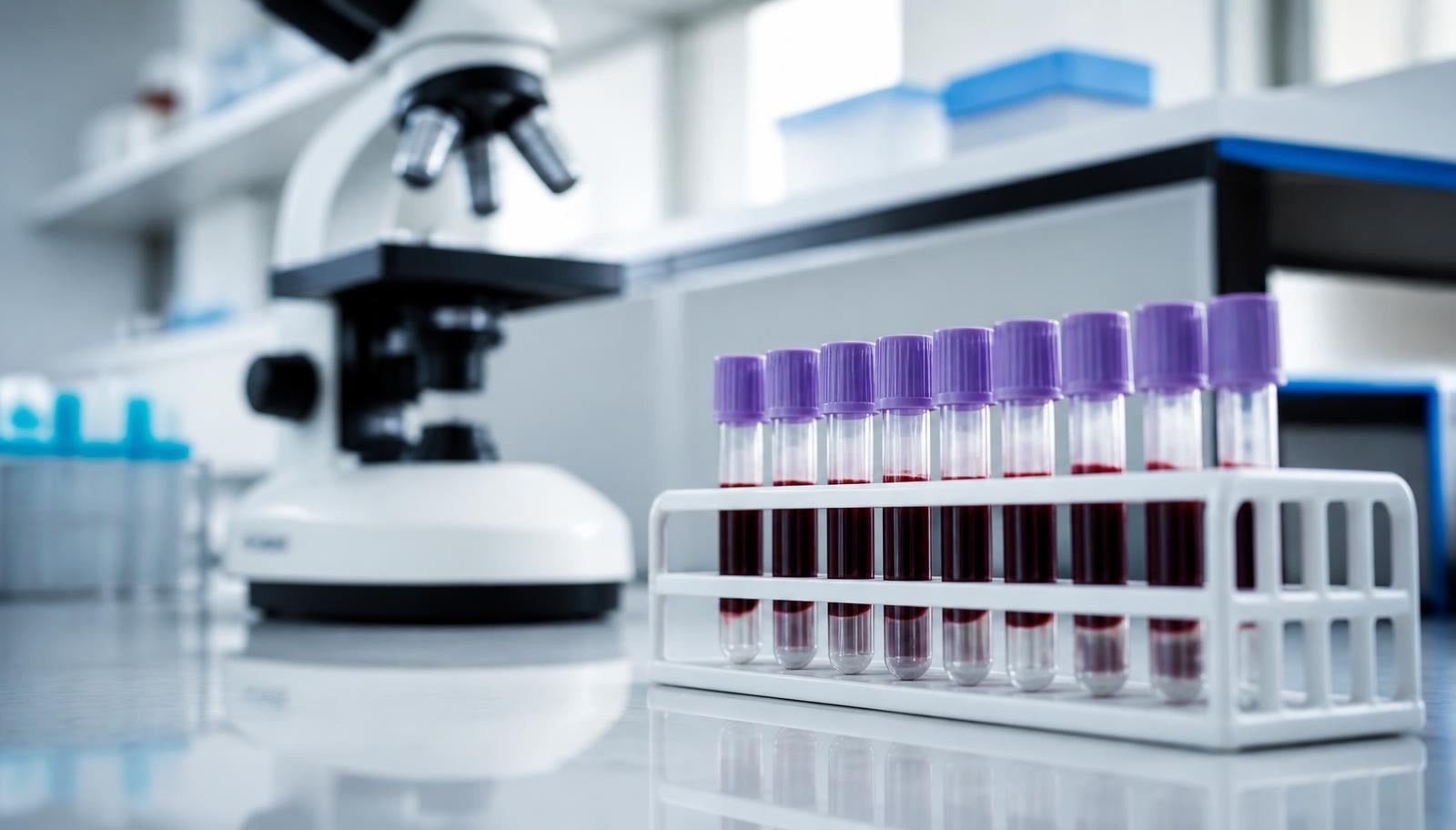
When these are addressed and the pattern persists, the question shifts from lifestyle to immune function itself, and that is where laboratory measurement of immune cell populations becomes useful.
Where NK Therapy in Bangkok Fits
Natural killer cells are the immune system's rapid-response population, identifying abnormal or infected cells without prior sensitisation. Their activity declines with age, chronic stress and persistent illness. NK cell therapy aims to support that surveillance capacity using expanded, activated NK cells prepared under laboratory conditions, and it sits alongside the wider immune programmes described on our NK therapy and immune health explainer.
For patients whose frequent infections track with measurable reductions in NK numbers or activity, a supervised course may be considered as part of a broader plan that still includes sleep, nutrition and stress management. It is not a substitute for vaccination, and it is not appropriate during an active untreated infection. Those limits are part of an honest assessment.
What the Evidence Shows
The strongest research base for NK cell approaches sits in oncology. For immune support in otherwise healthy adults, the evidence is earlier-stage: mechanistic studies and small clinical series rather than large definitive trials. A fair reading looks like this:
| Claim | Evidence level | Practical reading |
|---|---|---|
| NK activity declines with age and stress | Well established | A real, measurable phenomenon |
| Expanded NK cells can be safely infused | Supported by oncology trials | Safety profile is generally favourable |
| Fewer infections after a course | Early clinical reports | Promising, not yet definitive |
| Guaranteed immunity to illness | None | No therapy can promise this |
Patients comparing immune options may also find our article on ozone therapy for immune support useful, since the two approaches work through different mechanisms.
A Course of Care at Our Bangkok Facility
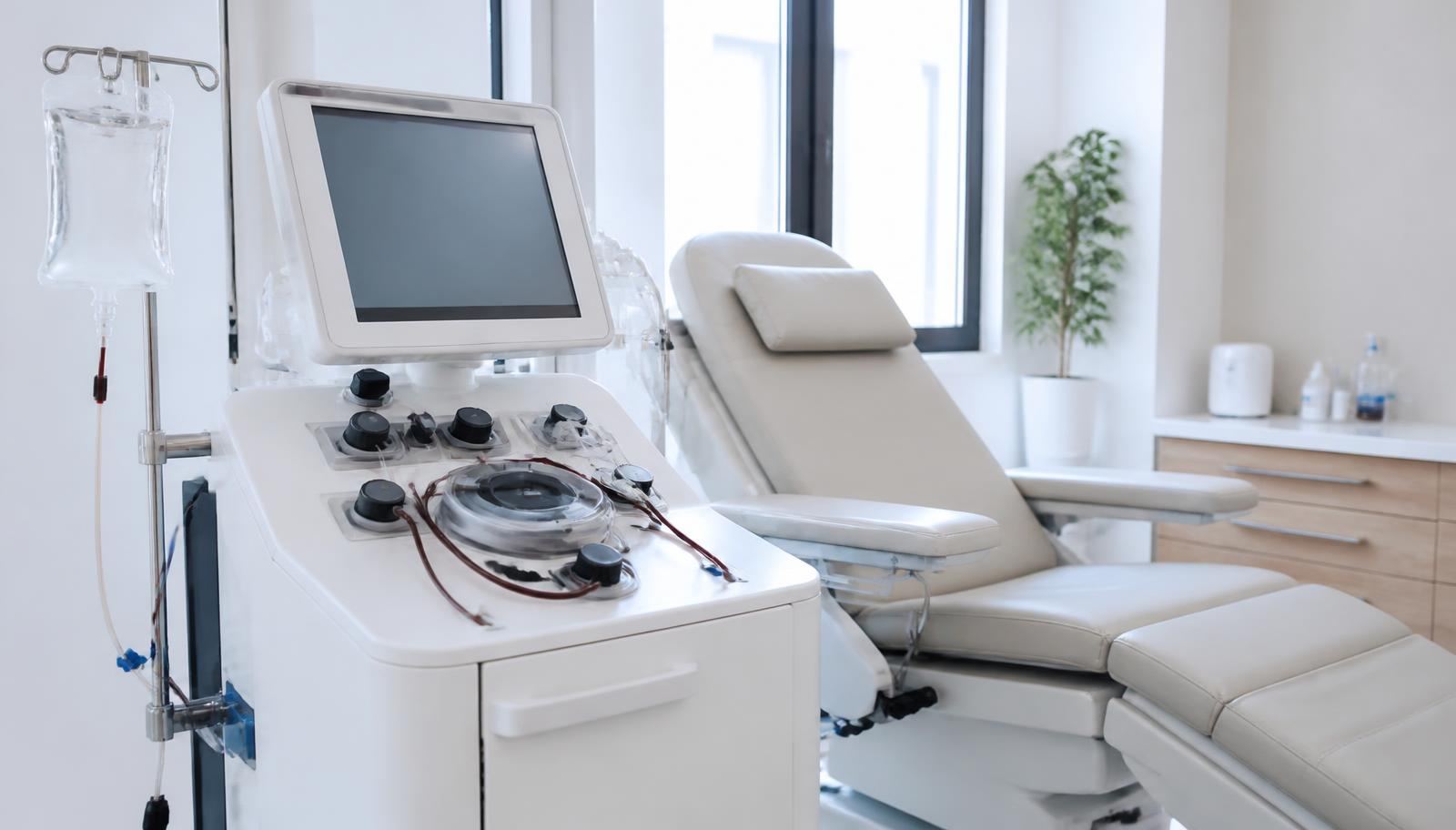
Care at our Bangkok healthcare facility starts with history, examination and baseline bloods, including immune cell profiling where indicated. A physician reviews the results with you and states plainly whether cellular therapy is a reasonable option or whether a simpler answer explains the pattern.
Where a course proceeds, sessions are scheduled as a series rather than a single visit, each with monitoring and documentation of what was administered. Response is judged over the following months using infection frequency, recovery time and repeat laboratory markers, not impressions.
Planning a Trip From Abroad
Most international patients complete assessment and the initial session block within one to two weeks in Bangkok. Send recent blood results and a medication list before booking flights so the team can confirm candidacy and advise on the right trip length. Our medical travel checklist for Thailand covers the practical preparation.
After you fly home, follow-up continues by teleconsultation, and your own doctor receives a written summary of what was given and why. That continuity is what turns a course into a programme rather than an event.
Discuss Immune Support With Our Medical Team
Share your recent history and blood results, and our physicians will tell you honestly whether NK therapy suits your case. Learn more about MRC Healthcare or arrange a consultation.
Schedule a Consultation