The Exhaustion Nobody Warns You About
Between treatment cycles, many patients describe the same feeling: the body seems to have nothing left. Colds linger for weeks. Energy never quite returns. And underneath it all sits a quiet worry that the body's own defenses are no longer doing their job.
That worry has a biological basis. Cancer and its treatment can both suppress the immune system, including a group of cells called natural killer cells, or NK cells. Understanding what these cells do, and what can reasonably be done to support them, is the subject of this guide.
One thing must be clear from the start: NK cell therapy and cancer care belong together with your oncology team. Nothing here replaces surgery, chemotherapy, radiation or any treatment your oncologist recommends.
What Natural Killer Cells Actually Do
NK cells are part of the innate immune system, the body's first line of defense. Unlike other immune cells that need to be trained to recognize a threat, NK cells can identify and destroy abnormal cells on first contact, including some virus-infected cells and some cancerous cells.
Researchers measure two things about them:
- •NK cell count: how many are circulating
- •NK cell activity: how effectively they kill target cells in laboratory testing
Both can be assessed with a blood test, which is often the starting point for any immune support program.
Why NK Activity Falls During Cancer
Several forces act on the immune system at once during cancer:
- •The tumor itself can release signals that suppress immune activity
- •Chemotherapy and radiation can lower immune cell counts
- •Chronic stress and poor sleep further reduce NK function
- •Nutritional depletion limits the raw materials immune cells need
This is why the period between treatment cycles often feels so draining, and why immune support has become an active area of research in oncology.
NK Cell Therapy and Cancer: What the Evidence Shows
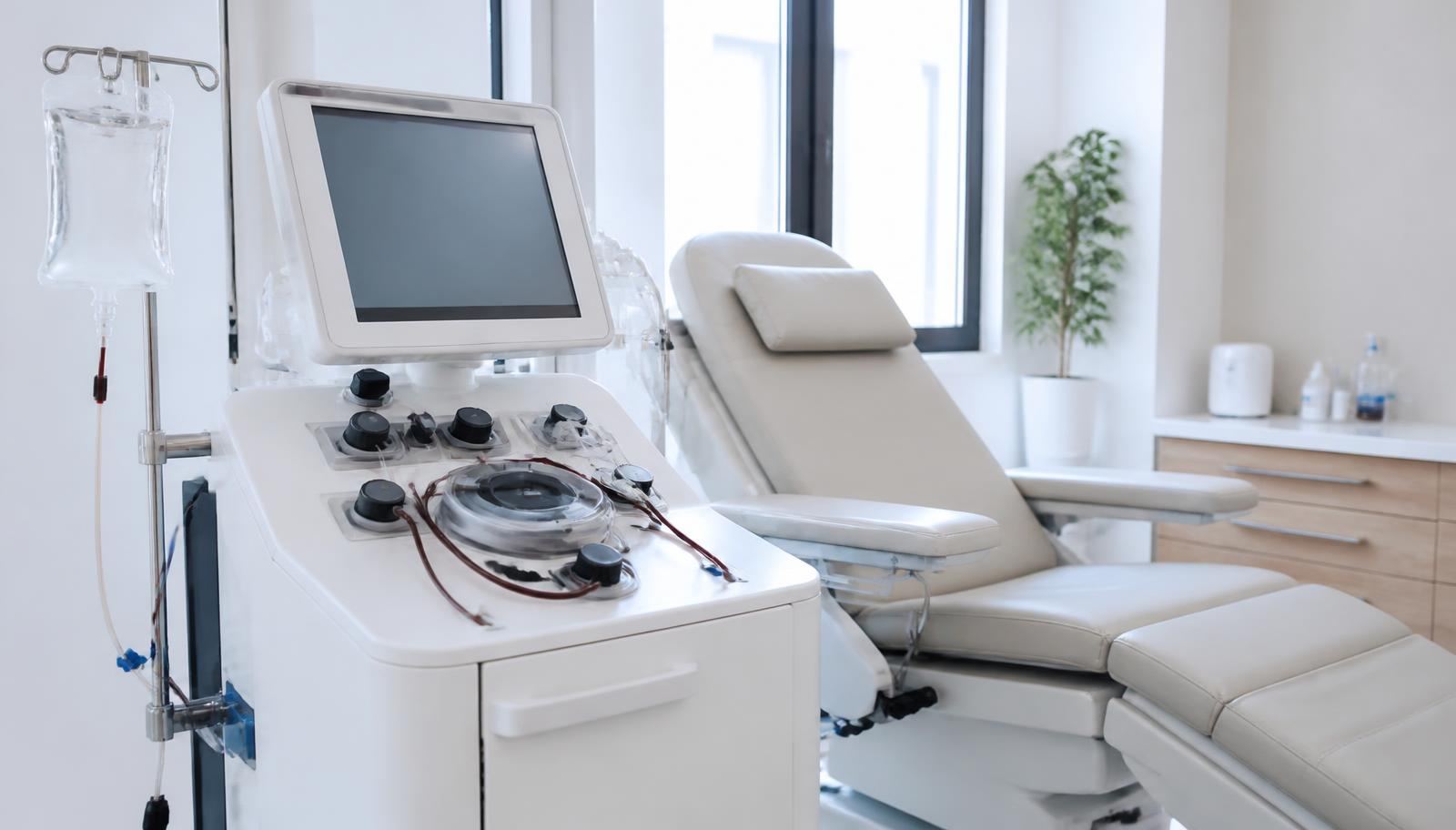
NK cell therapy involves preparing NK cells, expanding or activating them in a certified laboratory, and returning them by intravenous infusion. Clinical research is active, particularly in blood cancers and as a combination approach, but it remains investigational for most solid tumors.
Honest expectations matter. Studies suggest NK-based approaches may support immune function and quality of life in some patients, but they are not a cure, and results vary widely. For a broader view of how these approaches compare, see our guides to what immunotherapy is and how it works and NK cell therapy for immune health.
How Support Sits Alongside Oncology Care
A responsible immune support program during or after cancer treatment includes:
- •A full medical review and discussion with your oncologist
- •Baseline immune testing, including NK cell activity where available
- •Nutritional and metabolic support to rebuild reserves
- •A personalized infusion schedule that respects oncology timing
- •Ongoing monitoring and honest review of response
Patients also ask about related options such as NK therapy and NKT therapy, which differ in the cell types involved and are selected based on individual assessment.
Comparing Immune Support Options
| Approach | What it does | Role during cancer care |
|---|---|---|
| Oncology treatment | Targets the cancer directly | Primary, non-negotiable foundation |
| Nutrition, sleep, stress care | Restores immune raw materials | Supportive, benefits everyone |
| IV nutrient therapy | Corrects deficiencies quickly | Supportive, case by case |
| NK cell therapy | Returns activated NK cells | Investigational support alongside oncology |
NK Cell Programs in Bangkok at MRC Healthcare
At MRC Healthcare, every program begins with a medical evaluation and immune assessment. Cell preparation takes place in our certified laboratory, and infusion schedules are planned around each patient's oncology care, never instead of it.
Our team communicates openly about what the evidence does and does not show, so patients and families can make informed decisions.
For Patients Travelling from Abroad
Patients visit our Bangkok facility from Australia, Singapore, Europe and beyond. Medical records can be reviewed in advance, and a first consultation can often begin remotely so the visit itself is used efficiently.
English-speaking coordination is available throughout, including help planning the length of stay around an infusion schedule.
Discuss Immune Support with Our Medical Team
If you or a family member is navigating cancer treatment, contact MRC Healthcare for an honest assessment of whether immune support may have a place alongside your oncology care.
Schedule a Consultation