What NK Cells Do in Immune Surveillance
Natural killer cells belong to the innate arm of the immune system. Unlike T cells, they do not need prior exposure to a specific antigen: they read surface signals and act on cells that look abnormal, including virus-infected and stressed cells.
That surveillance function is continuous, and its efficiency tends to decline with age and with chronic illness. This is the biological rationale behind clinical interest in NK cell therapy.
How Immune Cell Therapy Differs From IV Immune Support
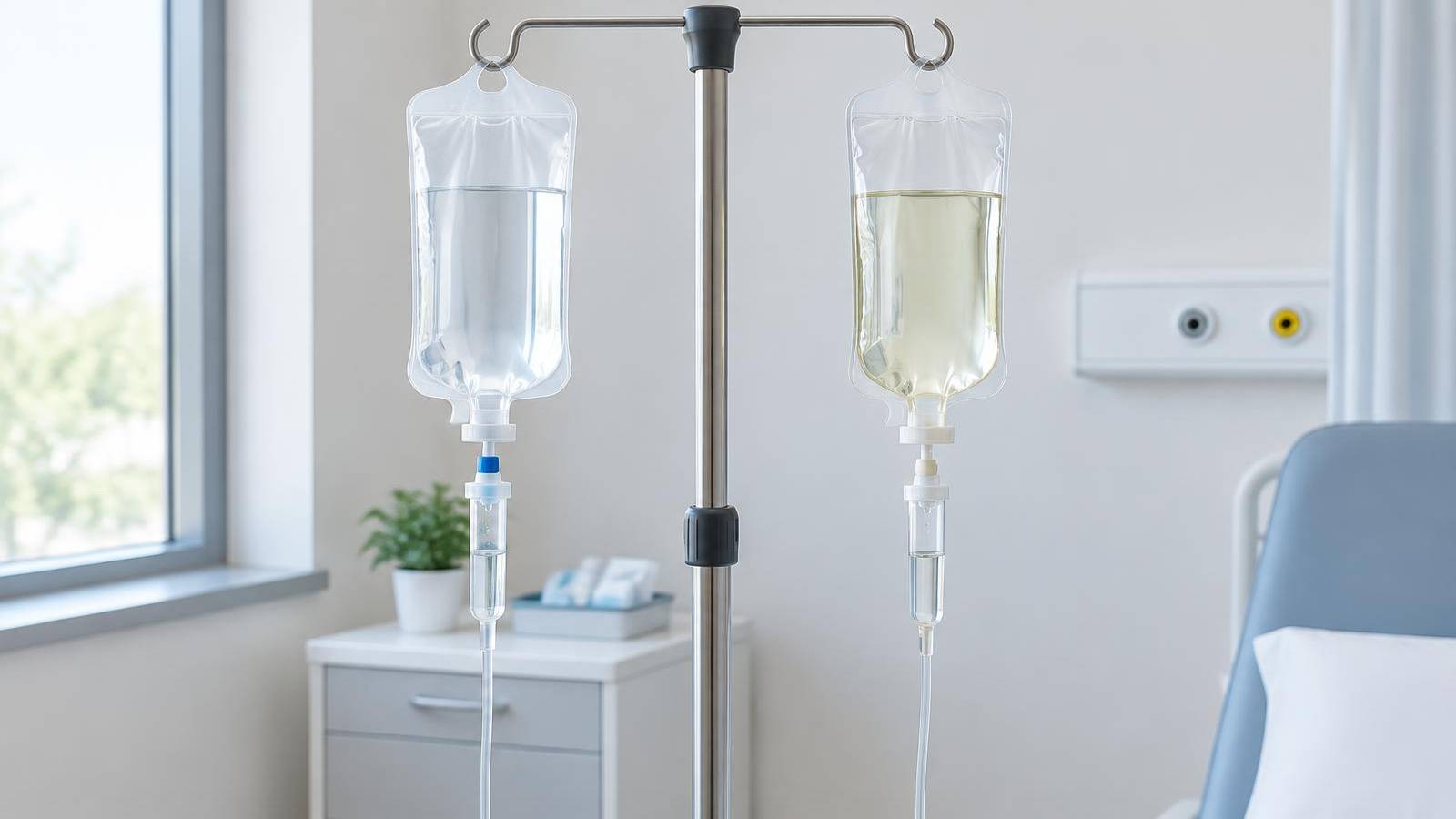
Intravenous nutrient protocols supply vitamins, minerals and antioxidants that support the conditions immune cells need to function. They are supportive by design and do not change the number or activity of a specific cell population.
Cell therapy does something categorically different: immune cells are collected, expanded in a controlled laboratory and returned by infusion. The two are not competing options, and one is not a stronger version of the other. Our IV drip menu sets out the nutrient side separately.
Expansion and Quality Control in the Lab
The process begins with a blood draw. NK cells are isolated from the sample and cultured over a defined period under conditions designed to increase their number and preserve activity, before being prepared for reinfusion.
Quality control is where programmes differ. Cell count, viability, purity, phenotype confirmation and release testing for sterility, mycoplasma and endotoxin should all be documented for the batch that will be returned to you.
SNK Versus Standard NK Protocols
SNK protocols aim at higher purity and greater activity through specific culture conditions, in contrast with standard expansion approaches that prioritise volume.
In practical terms the differences show up in the culture period, the reported purity of the final product, and how much characterisation data the laboratory can provide. Comparisons across clinics are only meaningful when the same parameters are reported.
Who These Protocols Are Studied For
Research attention has centred on immune surveillance in oncology support contexts, chronic viral conditions and the decline in immune function associated with ageing. Related cell-based approaches are described on our CIK therapy page.
Importantly, these protocols are not a replacement for oncology treatment, and no responsible clinic would present them as one. Candidacy is decided individually after review of history, current treatment and recent laboratory results.
What a Programme Involves
A programme typically runs as: medical review and baseline bloods, the collection draw, a defined laboratory period while the cells are expanded, then one or more scheduled infusions with observation afterwards.
For international patients the laboratory interval is the part that shapes the itinerary, so it should be confirmed in writing before flights are booked.
Limits of the Current Evidence
Much of the published literature involves small cohorts and protocols that vary between centres, which makes direct comparison difficult and general claims unreliable. Laboratory measures such as cell activity do not automatically translate into clinical benefit.
The right expectation is a documented baseline, a defined review point, and a physician willing to say which parts of the rationale are established and which remain exploratory.
Speak With Our Immunology Team
We review your history and explain honestly whether a cell-based immune protocol is appropriate for you. Learn more about MRC Healthcare or arrange a consultation.
Schedule a ConsultationRelated reading: NK therapy in Bangkok for recurrent infections and low immunity, NK cell therapy as cancer support in Thailand, and for the wider category, immunotherapy treatment types and how they work.