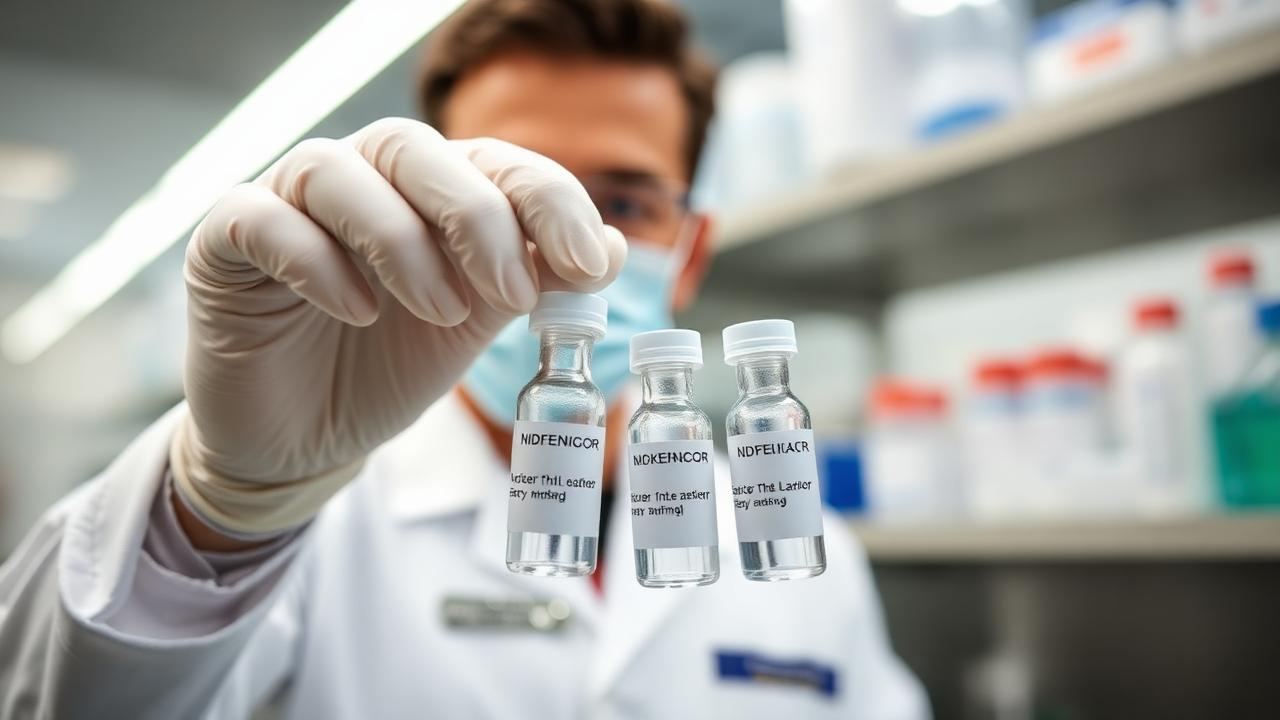
Patients are frequently offered both, often on the same price list, as though they were two strengths of the same thing. They are not. This comparison sets out what each one actually is, where each has evidence, and how the decision should be reached.
The Core Difference in One Paragraph
Mesenchymal stromal cells are living cells that respond to the environment they are placed into and continue signalling for a period. Exosomes are the packages those cells release — a fixed dose of signalling material with no capacity to respond, adapt or persist. In short:
- Cells — dynamic, responsive, harder to manufacture and store
- Exosomes — fixed, standardisable, entirely dependent on manufacturing quality
Side-by-Side on the Points That Matter
| Consideration | MSC therapy | Exosome preparation |
|---|---|---|
| What is administered | Viable cells | Cell-derived vesicles only |
| Duration of activity | Days to weeks of cellular signalling | Short-lived, cargo is cleared |
| Human evidence | Larger trial base across several indications | Early stage, small studies |
| Batch consistency | Varies with donor and culture | More standardisable if properly manufactured |
| Storage and logistics | Demanding; timing tied to release | Simpler to store and transport |
| Main quality risk | Viability and release testing | Undocumented, under-characterised product |
Cell source adds a further layer to the cell side of this table, covered in UC-MSC versus autologous cells.
Deciding From the Indication, Not the Product
- Single symptomatic joint — localised delivery is possible with either; imaging and stage decide more than product type
- Systemic inflammatory or immune conditions — cell-based protocols currently carry more published clinical experience
- Skin and scalp concerns — exosome preparations are more commonly used, with cosmetic rather than disease endpoints
- Neurological and organ disease — evidence for both remains preliminary; caution and honest framing matter most
Programme detail for each is on our MSC therapy and exosome therapy pages.
Practical Differences in Handling and Delivery
- Cell products are scheduled around laboratory release, so appointment dates are less flexible
- Exosome preparations are easier to schedule but demand equally strict documentation
- Both require sterile technique and a monitored observation period
- Travelling patients should allow recovery days before flying in either case
Timing guidance for international patients is in our medical travel checklist.
When Combining the Two Makes Sense
- Only when there is a clinical rationale specific to the case, stated in writing
- Never as a default package upgrade or tiered product offering
- Not when it prevents attributing any observed change to a single intervention
- Not when it simply increases exposure without increasing expected benefit
A stacked protocol should always come with a clear explanation of why each component is needed. If that explanation is commercial rather than clinical, it is worth pausing.
A Short Decision Checklist
- What published human evidence exists for this option in my exact condition?
- What is the product source, and can I see the release documentation?
- What route and how many sessions, and why that number?
- What will be measured, and at what review points?
- What is the stopping rule if nothing changes?
- Which physician is responsible for follow-up after I travel home?
The same discipline applies to any regenerative programme, as set out in ten questions to ask a clinic first.
Get a Recommendation Based on Your Diagnosis
Share your records with our team and we will explain which option, if either, has reasonable support for your condition. MRC Healthcare is a physician-led regenerative medicine group in Bangkok.
Schedule a Consultation