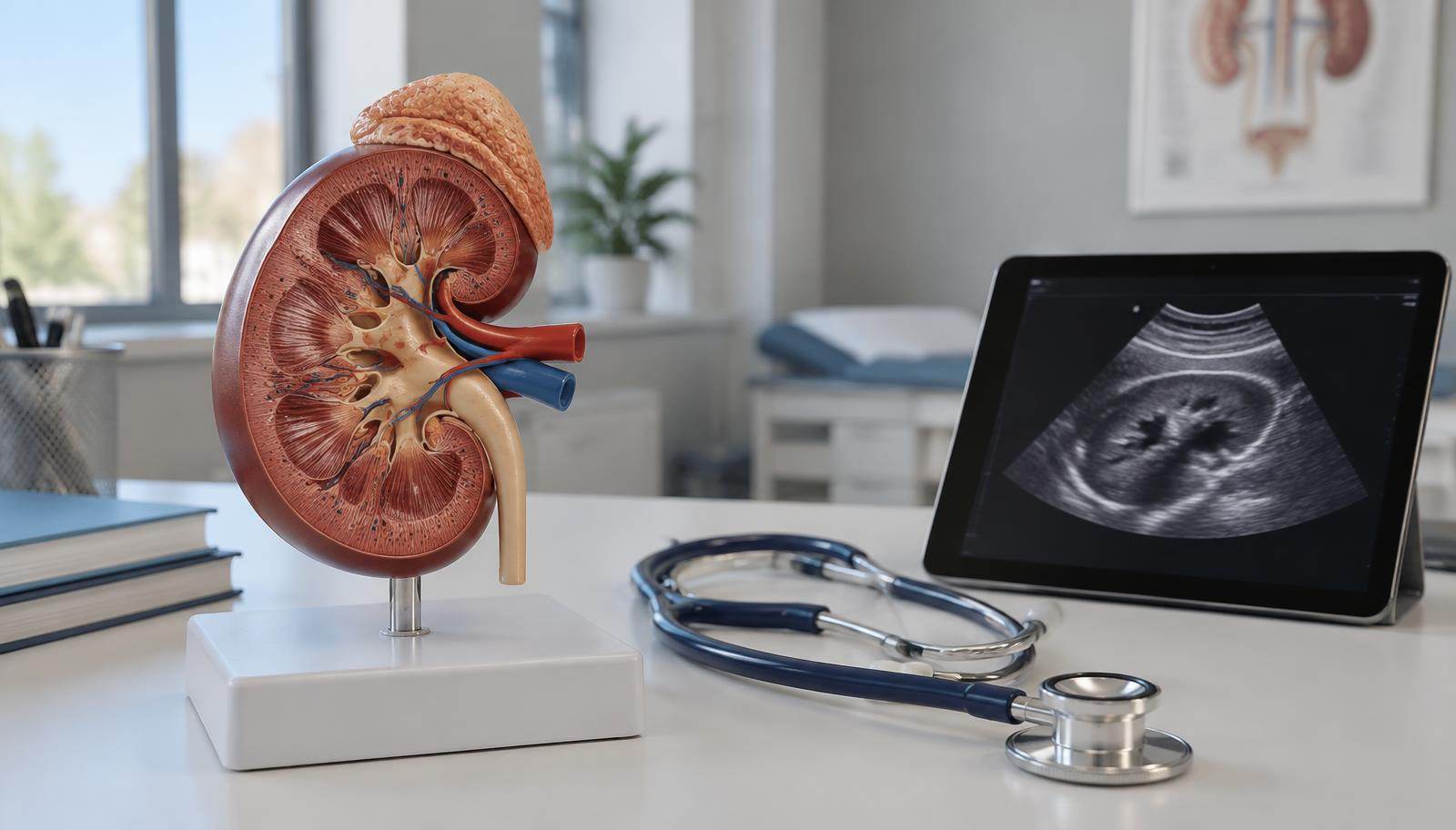
Understanding Autoimmune Diseases
Autoimmune diseases occur when the immune system mistakenly attacks healthy tissues. Instead of defending against infection, immune cells begin targeting organs, joints, nerves, or connective tissue.
Conditions such as Rheumatoid arthritis, Systemic lupus erythematosus, Multiple sclerosis, and Inflammatory bowel disease are examples of immune dysregulation that can lead to chronic inflammation and reduced quality of life.
Traditional immune suppression may help manage symptoms, but many individuals and clinicians seek more supportive approaches that address underlying biological imbalance.
The Role of Chronic Inflammation
Chronic inflammation is a key feature of autoimmune conditions. When inflammatory activity remains elevated, it contributes to ongoing tissue injury and systemic symptoms such as:
- •Fatigue
- •Pain or stiffness
- •Digestive imbalance
- •Fluctuating energy levels
- •Reduced resilience
Managing inflammation is a foundational part of improving immune function and long-term wellness.
What Are UC-MSC Stem Cells
Umbilical Cord–Derived Mesenchymal Stem Cells (UC-MSCs) are cells isolated from donated umbilical cord tissue. They are being studied for their potential immunomodulatory properties, including:
- •Communicating with immune cells
- •Supporting regulatory pathways
- •Reducing inflammatory signaling
- •Secreting growth and repair factors
Their potential to interact with immune pathways makes UC-MSCs an area of interest for conditions rooted in chronic immune imbalance.
How UC-MSC Therapy May Support Immune Regulation
While research is ongoing, emerging scientific insights suggest several ways UC-MSC therapy may provide immune support:
Modulation of Immune Activity
UC-MSCs may interact with key immune cells involved in autoimmune responses, including T cells and B cells, potentially supporting a more balanced immune state.
Influence on Inflammation
Persistent inflammation is a hallmark of many autoimmune diseases. UC-MSCs may help modulate inflammatory signaling rather than broadly suppress immune function.
Support of Cellular Recovery
In autoimmune conditions where tissue stress or damage exists, regenerative pathways may help support cellular communication and repair processes.
It is important to note that UC-MSC therapy is not a cure. Instead, it represents a potential supportive strategy that complements comprehensive clinical care.
Current Research and Clinical Considerations
Clinical studies continue to evaluate key aspects of UC-MSC therapy such as:
- •Safety and tolerability
- •Optimal administration approaches
- •Long-term biological effects
- •Patient response variability
Because this field is still evolving, medical oversight and individualized evaluation are essential when considering advanced treatments.
A Comprehensive Approach to Autoimmune Health
Autoimmune conditions are complex and multifactorial. Research suggests that an integrative care model offers stronger outcomes than isolated interventions.
Supporting immune health effectively may include:
- •Nutritional optimization
- •Metabolic and inflammation monitoring
- •Lifestyle corrections
- •Personalized therapeutic planning
- •Regular medical evaluation and follow-up
By addressing multiple contributing factors, individuals can create a foundation for improved resilience and well-being.
Immune Health and Autoimmunity at MRC Healthcare
At MRC Healthcare, we approach autoimmune support through a personalized, science-based framework. Our care philosophy is rooted in:
Individualized Evaluation
Every patient receives a detailed health assessment to understand immune status, inflammation markers, metabolic balance, and health history.
Regenerative Medicine Integration
Where appropriate and under clinical guidance, UC-MSC therapy may be considered as part of a broader immune support strategy, always aligned with safety and individual goals.
Comprehensive Support Strategies
We combine regenerative insights with:
- •IV nutrient therapy to support cellular health
- •Inflammation monitoring and modulation
- •Targeted metabolic optimization
- •Lifestyle and dietary support
- •Collaborative care with specialists
Our objective is not only to reduce symptoms, but to support deeper biological balance and resilience through sustainable health practices.
Take the Next Step Toward Immune Balance
Autoimmune conditions can be challenging, but proactive care can make a meaningful difference.
If you are interested in exploring supportive therapies such as UC-MSC treatment or a comprehensive immune health plan, contact MRC Healthcare to learn how a tailored strategy can help support balance, reduce inflammation, and enhance long-term immune resilience.
Explore UC-MSC Therapy for Immune Support
Contact MRC Healthcare to learn how a personalized regenerative medicine plan can help support immune balance and long-term wellness.
Schedule a Consultation