Ozone therapy attracts strong claims in both directions. This article stays with what is actually described in the literature and what patients report in practice, then explains how a supervised course is structured in Bangkok so any benefit can be judged rather than assumed.
How Medical Ozone Acts on the Body
Medical ozone is a precisely measured mixture of oxygen and ozone. When it contacts blood or tissue fluid it reacts immediately, producing short-lived messenger molecules. Those messengers, not the ozone itself, are what interact with cells. The proposed effect is a controlled, low-level oxidative signal that prompts the body to raise its own antioxidant defences, including enzymes such as superoxide dismutase and glutathione peroxidase.
Two further effects are described consistently: improved red blood cell flexibility, which affects how easily blood moves through small vessels, and modulation of inflammatory signalling. Both are plausible mechanisms behind the symptom changes patients describe, and both depend entirely on dose staying in the therapeutic range.
Ozone Therapy Benefits Patients Report in Bangkok
| Reported benefit | Proposed basis | Evidence maturity |
|---|---|---|
| Less daily fatigue | Oxygen delivery and mitochondrial signalling | Small studies and patient-reported outcomes |
| Reduced joint stiffness | Local anti-inflammatory effect | Moderate for intra-articular and disc use |
| Better wound and tissue healing | Microcirculation and antimicrobial action | Among the better-supported applications |
| General sense of wellbeing | Multiple, not clearly separated | Subjective, easily confounded, treat with caution |
Immune-focused questions are addressed separately in our article on ozone and immune support, and the session itself is described step by step in what happens during an ozone session in Bangkok.
Where the Evidence Is Strong and Where It Is Not
The most robust clinical data concern intradiscal ozone for contained disc herniation and ozone in chronic wound care, where controlled comparisons exist. Knee osteoarthritis has a reasonable body of smaller randomised work. Systemic indications such as fatigue, general immune support and metabolic health rest on mechanistic reasoning and modest studies.
The practical implication is simple. Ozone can be a reasonable supportive therapy within a wider plan, chosen with clear expectations. It is not a treatment for a serious diagnosis on its own, and it should never displace disease-specific care.
How a Course Is Structured for Measurable Benefit
- Baseline recording of the specific symptoms being targeted, in writing
- Mandatory screening, including G6PD status, before the first session
- A defined number of sessions at a defined concentration and volume
- Review at the end of the course against the baseline, not against memory
- A decision to continue, pause or stop, made on that comparison
Safety questions, side effects and screening are covered in detail in our article on ozone therapy safety.
How Ozone Therapy Is Delivered at Our Bangkok Facility
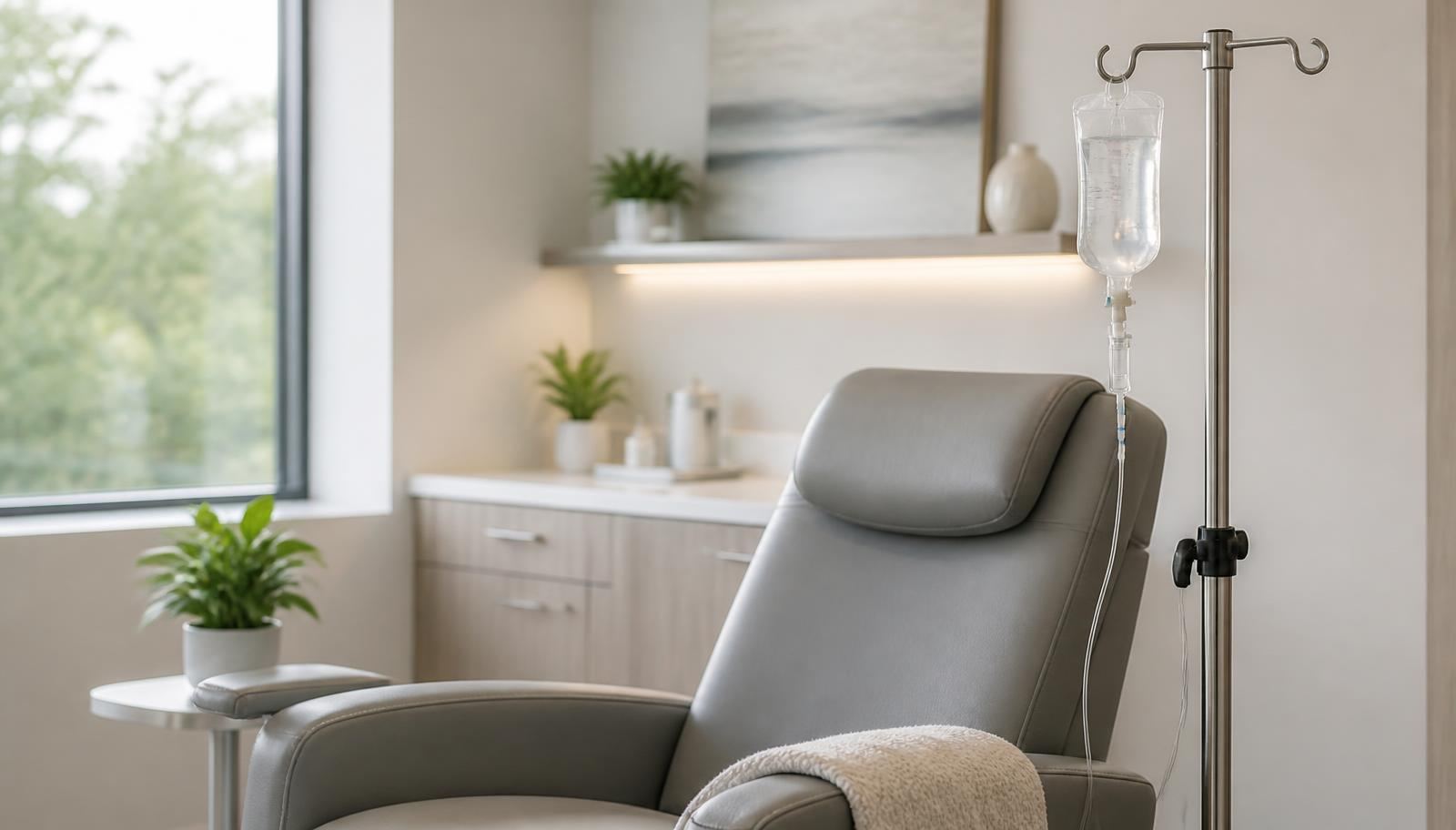
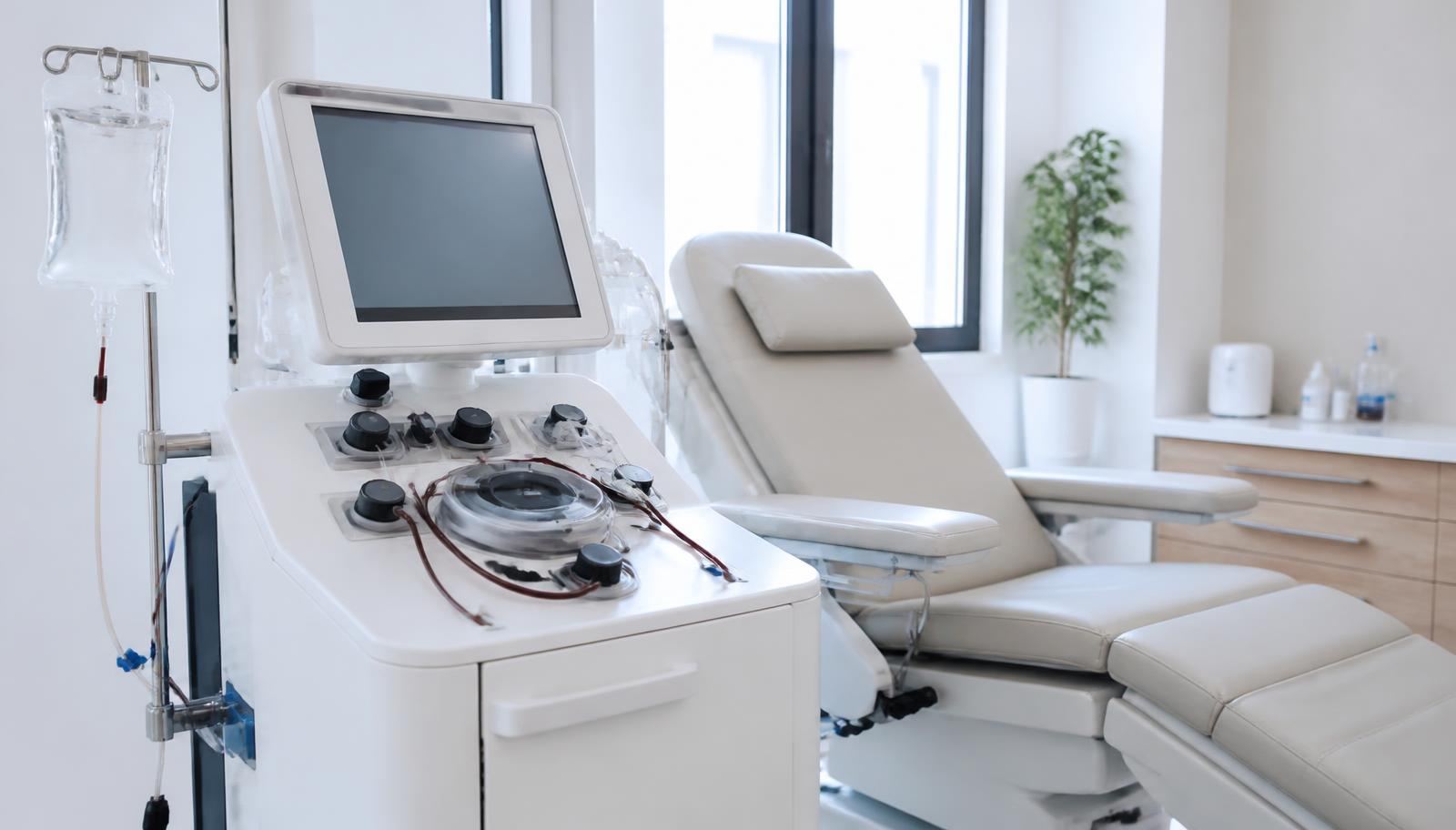
At MRC Healthcare, ozone is given by licensed medical staff using calibrated generators with concentration set per session and recorded in the notes. Every patient has a physician consultation before the first treatment, including a medication review and the required screening bloods. Sessions take place in a monitored treatment room, and the concentration used is documented so a course can be reproduced or adjusted with a clear record.
A typical schedule for a visitor is two to three sessions per week, which fits comfortably alongside IV therapy sessions or other supportive treatments booked in the same stay.
Planning Ozone Therapy Into a Thailand Trip
Because ozone works as a course, the length of your stay determines what is realistic. A one-week visit allows a short introductory course; two to three weeks allows a full course with a review at the end. Sessions are short, so most visitors schedule them in the morning and keep the rest of the day free.
Bring a written medication list and any recent blood results. If you have never had a G6PD test, allow time for it before the first session. Broader trip logistics are covered in our Thailand medical travel checklist.
Ask Whether an Ozone Course Fits Your Goals
Tell our physicians what you are hoping to change, and they will advise honestly on whether ozone therapy is a sensible part of the plan and how it would be measured.
Schedule a Consultation