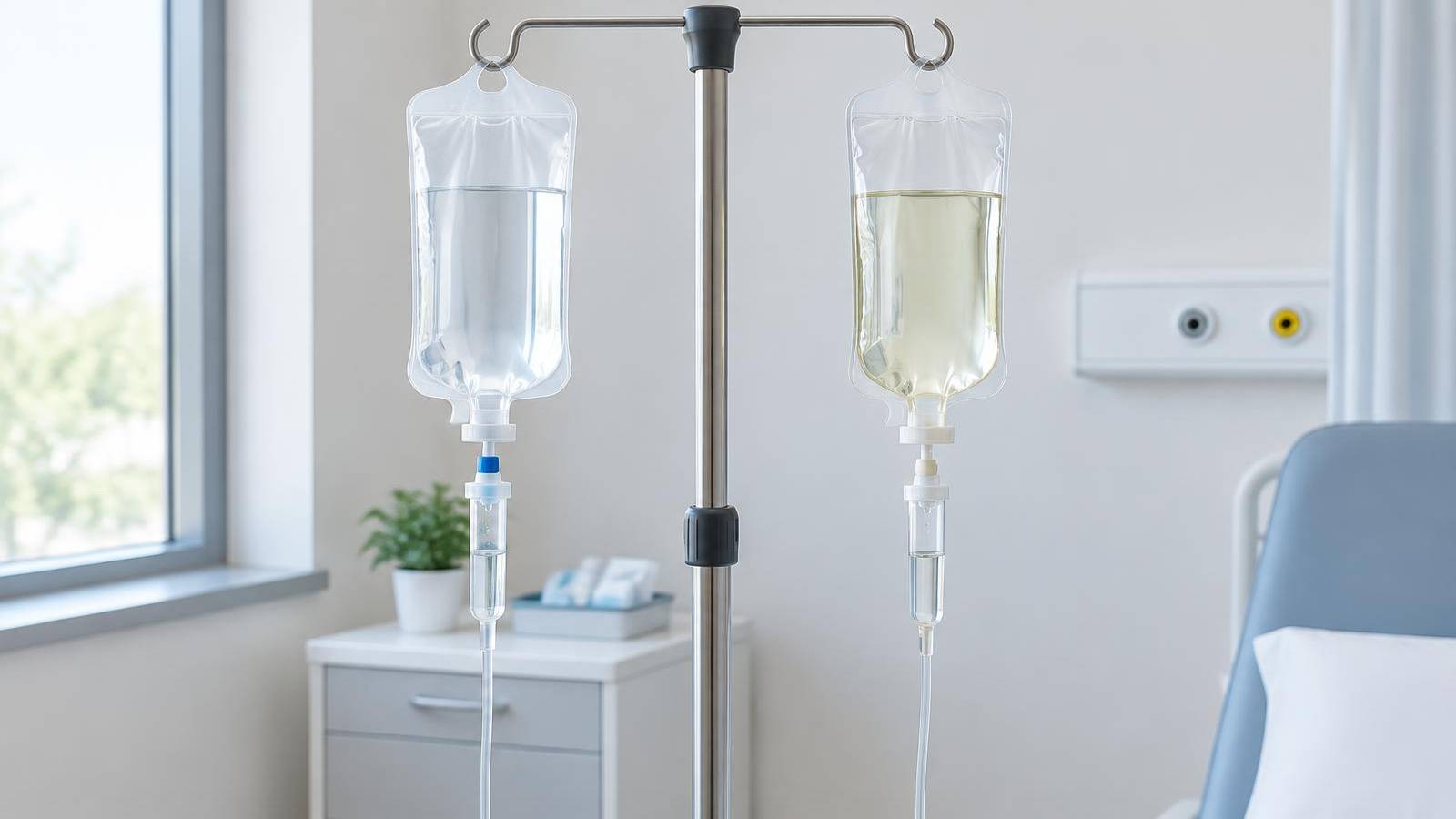
Ozone therapy sounds more complicated than it is. In practice, a supervised session is a calm, hour-long outpatient procedure — closer to a long IV infusion than anything dramatic. This article walks through exactly what happens before, during and after a session at MRC Healthcare, so you know precisely what to expect before you book.
What Ozone Therapy Is
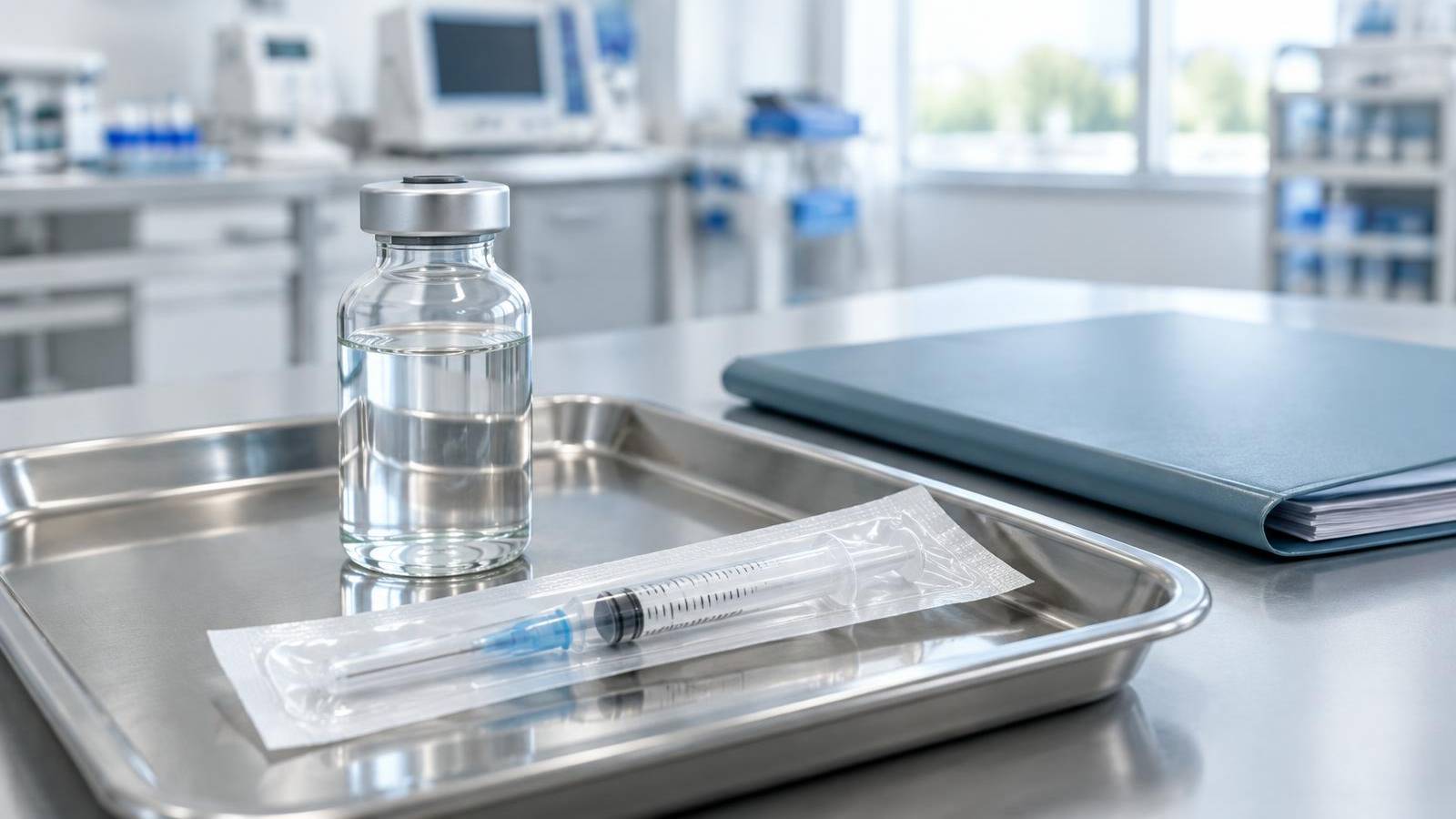
Medical ozone is a precisely dosed mixture of ozone and oxygen, produced on demand by a medical-grade generator. The most common clinical method is major autohemotherapy:
- A small volume of your blood is drawn into a sterile, closed collection system
- A measured dose of ozone is mixed with the blood inside that closed system
- The blood is returned to you through the same IV line
- The ozone never circulates as a free gas — it reacts instantly within the blood components
The aim is to trigger a mild, controlled oxidative signal — the same family of signalling the body uses in exercise and adaptation. Ozone therapy is used as a supportive therapy alongside medical care, not as a replacement for treatment of any diagnosed condition. Details of how we deliver it are on our ozone therapy page.
Before Your Session: Screening
No session happens without a medical review first. Screening typically includes:
- Health history — current diagnoses, medications, allergies and previous reactions to IV therapy
- G6PD testing — a blood test for an enzyme deficiency that makes ozone therapy unsafe; this is non-negotiable
- Baseline blood work — thyroid function, blood count and clotting profile where indicated
- Candidacy decision — a physician confirms the therapy is appropriate, and explains what it can and cannot do
If screening shows the therapy is not suitable for you, the correct answer is no session — and that answer should be easy to get at any clinic you consider.
The Ozone Therapy Session, Step by Step
| Stage | Time | What happens |
|---|---|---|
| Arrival and check | 10 min | Vital signs taken; the plan for the session is confirmed with you |
| Cannulation | 5 min | A small IV needle is placed in a vein in your arm — the only moment you feel anything sharp |
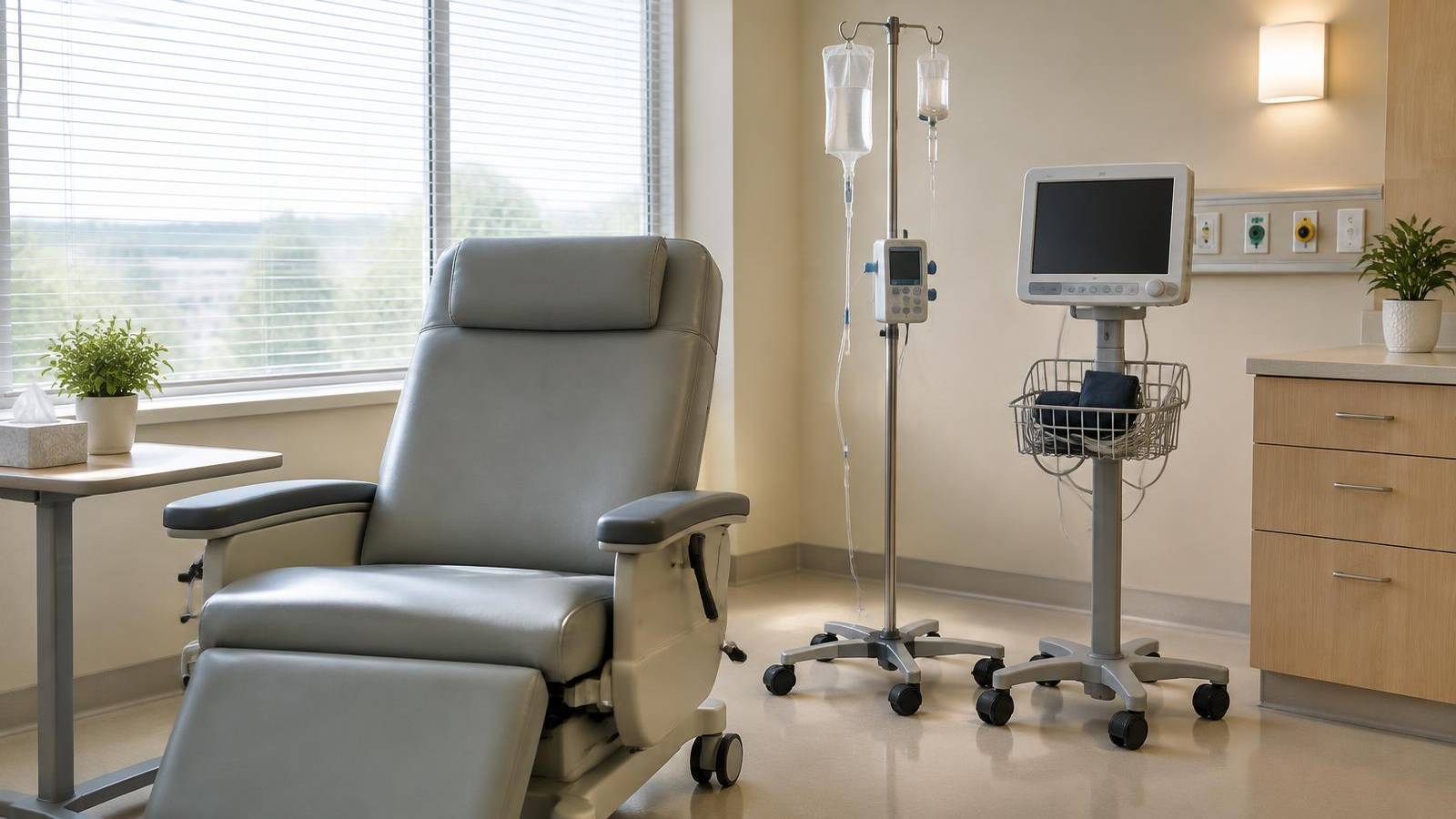
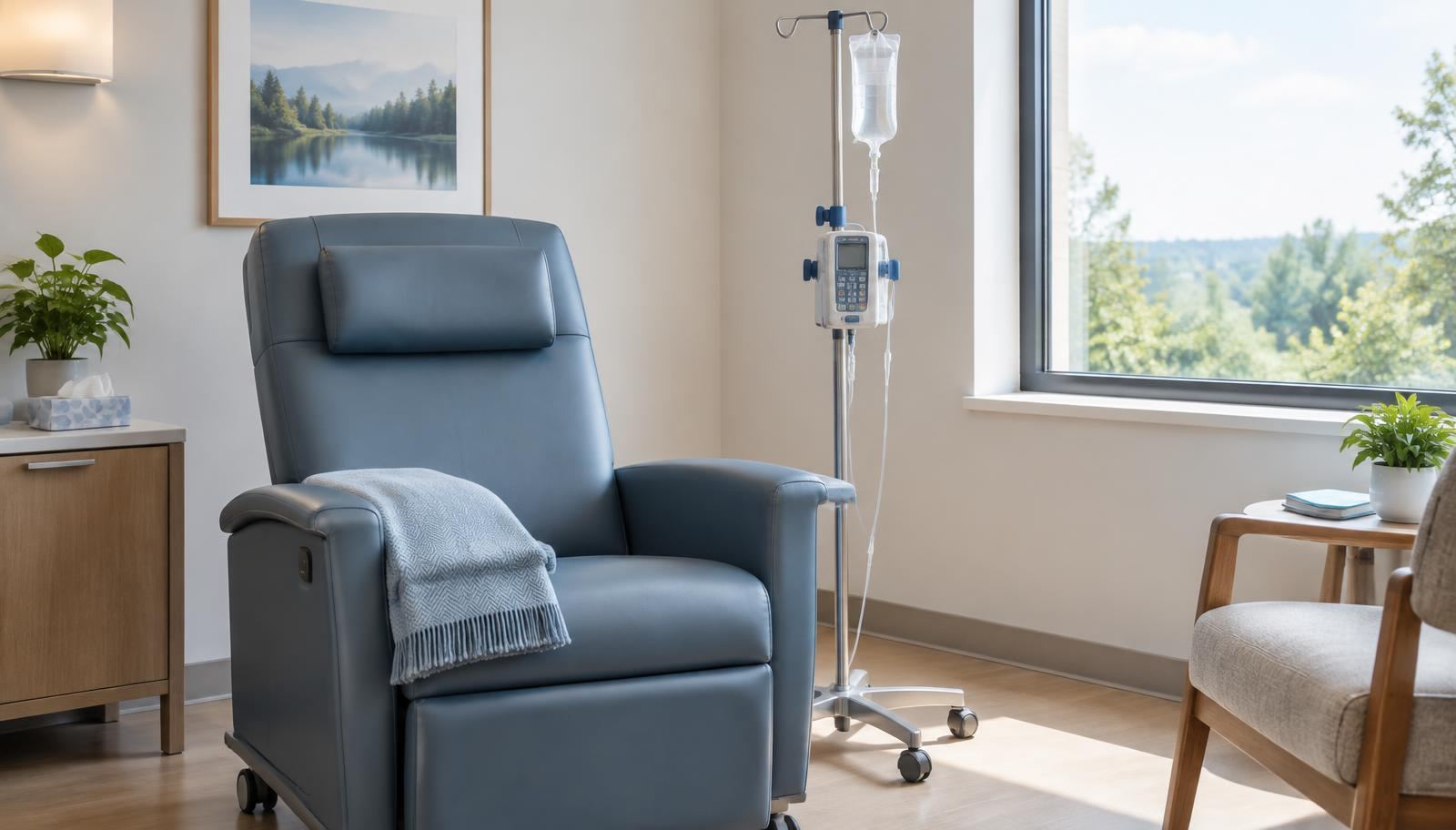
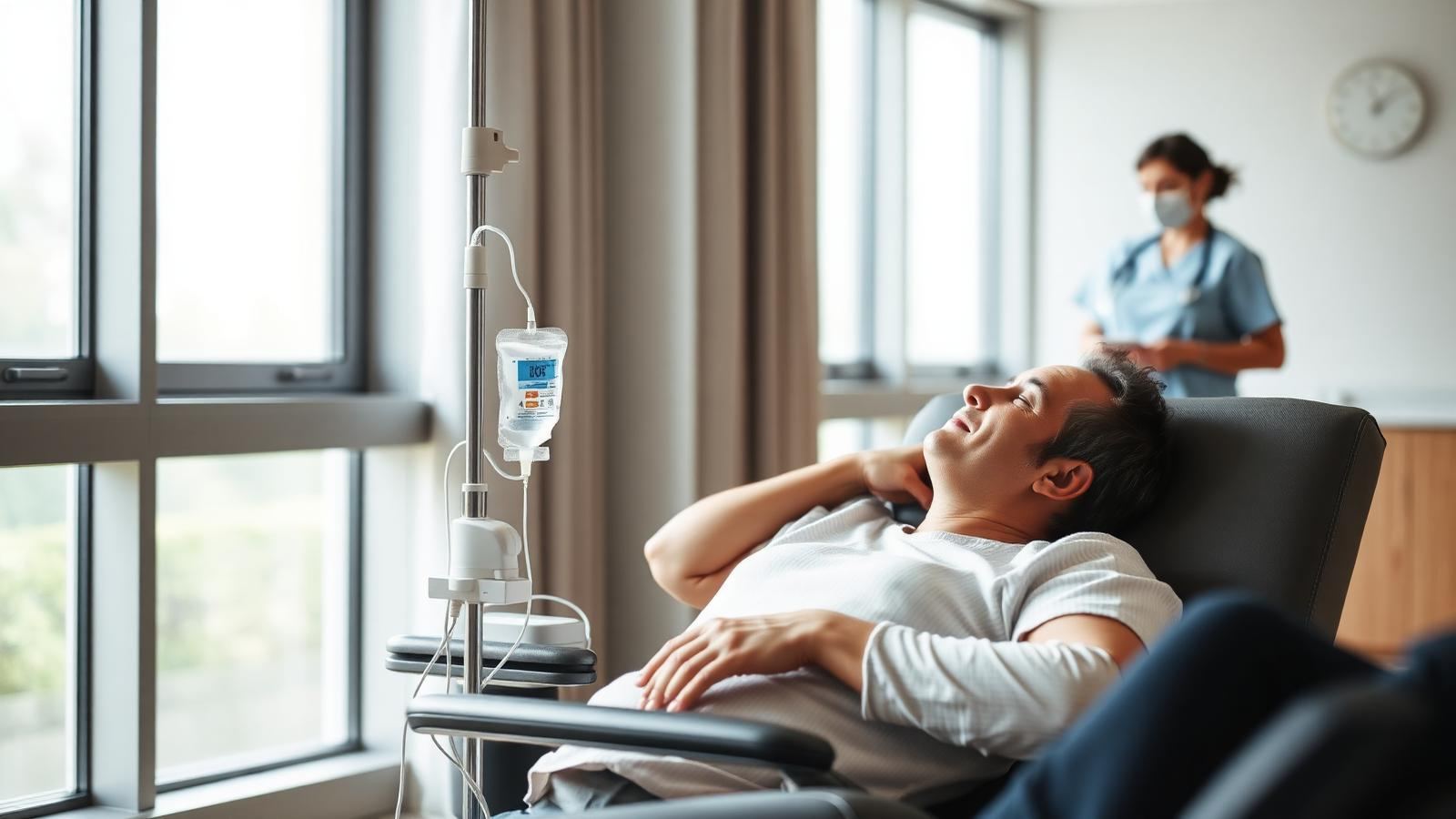
| Ozonation cycle | 20–30 min | Blood is drawn, mixed with ozone in the closed system and returned; you recline comfortably throughout |
| Observation | 10 min | The IV is removed and you rest briefly while staff confirm you feel well |
Most patients read, work on a phone, or simply rest during the cycle. A nurse monitors the session from start to finish, and the supervising physician is on site.
Afterwards: What to Expect
- Most people feel normal immediately and return to their day as usual
- Mild, short-lived effects — brief light-headedness, warmth, or tiredness — occur in a minority and settle within hours
- A small bruise at the needle site is the most common after-effect of any IV procedure
- Normal eating, drinking and light activity are fine the same day
Anything unusual — persistent dizziness, fever, or a spreading rash — should be reported to the clinic promptly. You are given direct contact details before you leave.
How an Ozone Therapy Course Is Structured
Ozone therapy is planned as a course, not a one-off. The structure depends on your goal and your response, but a typical pattern is:
- An initial series of sessions over several weeks
- A review point where the physician assesses your response before continuing
- Spacing adjusted to your schedule — relevant for international patients on a fixed trip length
- No open-ended commitment: the course has a defined plan and review, not unlimited sessions
Ozone therapy is often combined with other supportive treatments in a single plan. It pairs naturally with antioxidant and nutrient IV support — see our IV therapy options — and with circulation-focused therapies such as hyperbaric oxygen therapy, always under one physician-supervised plan.
Ozone Therapy in Bangkok
Bangkok has become a practical destination for supervised supportive therapies because the essentials are easy to verify before you travel:
- Physician-led clinics with screening done in-house
- Medical-grade ozone generators with defined dosing protocols
- English-speaking medical teams used to international patients
- Short sessions that fit around a normal travel itinerary
At MRC Healthcare, ozone therapy sits within a physician-supervised programme — screening first, a defined course, and a clear review. If you are weighing up whether it is right for you, the starting point is a consultation, not a session.
Find Out If Ozone Therapy Is Right for You
Our medical team will review your history, run the necessary screening tests and give you an honest answer on candidacy — before any session is planned.
Schedule a Consultation