Jet Lag, Broken Sleep and Travel Fatigue
Flying from Australia, Europe or the Middle East to Bangkok crosses enough time zones to desynchronise the body clock, and the result is familiar: wide awake at 3 a.m., heavy by mid-afternoon, poor concentration and a digestion that disagrees with local mealtimes. Add cabin dehydration and disrupted sleep on the plane, and the first two days of a trip are often written off.
For medical travellers this matters more than for tourists. Consultations, procedures and decisions should not happen while the brain is running on the wrong time zone, so recovering quickly is practical, not indulgent.
What Actually Works for Jet Lag
The sleep-medicine literature is consistent about the fundamentals. Timed bright light is the strongest tool for shifting the body clock: morning outdoor light after eastward flights, evening light after westward ones. Anchoring meals and sleep to destination time from the first day, steady hydration, and short rather than long naps all carry real evidence. Melatonin at the right local hour helps many travellers and is inexpensive.
None of this is glamorous, and all of it is free or nearly so. Any honest discussion of infusions for jet lag starts here, because these steps do most of the work.
Where an NAD Drip in Bangkok Fits
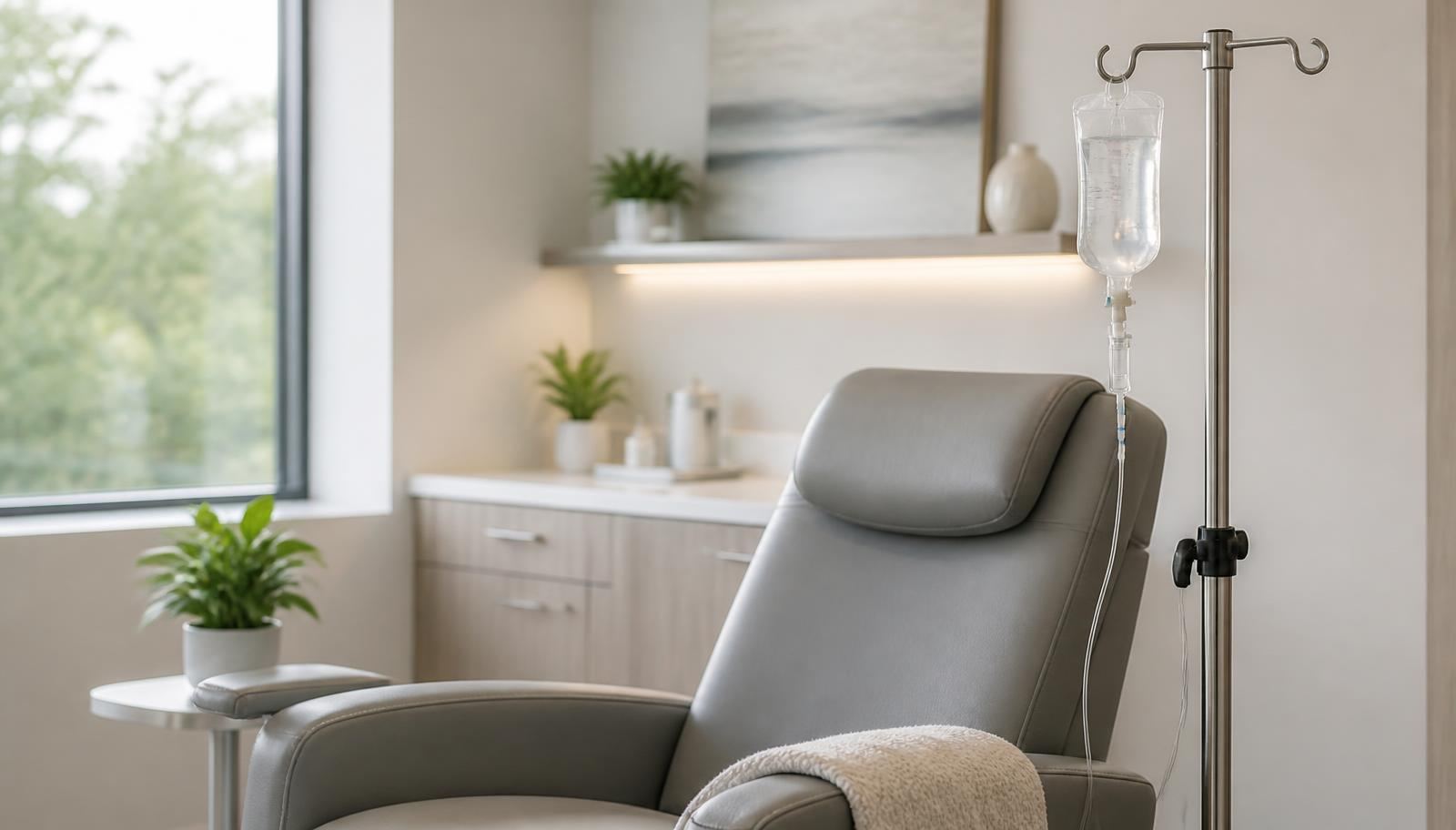
NAD+ is a coenzyme involved in cellular energy production and in the regulation of circadian rhythm genes, which is the plausible link to jet lag. An NAD infusion delivers it intravenously over one to several hours. What to expect during the session itself is covered in our article on an NAD IV drip in Bangkok.
The honest evidence position: controlled trials for jet lag specifically do not exist. Travellers report faster subjective recovery, and the mechanism is coherent, but the drip complements the light-and-sleep fundamentals rather than replacing them. Patients with persistent fatigue beyond travel should read our piece on NAD therapy for fatigue and brain fog, which covers a different clinical question.
What a Recovery Session Looks Like
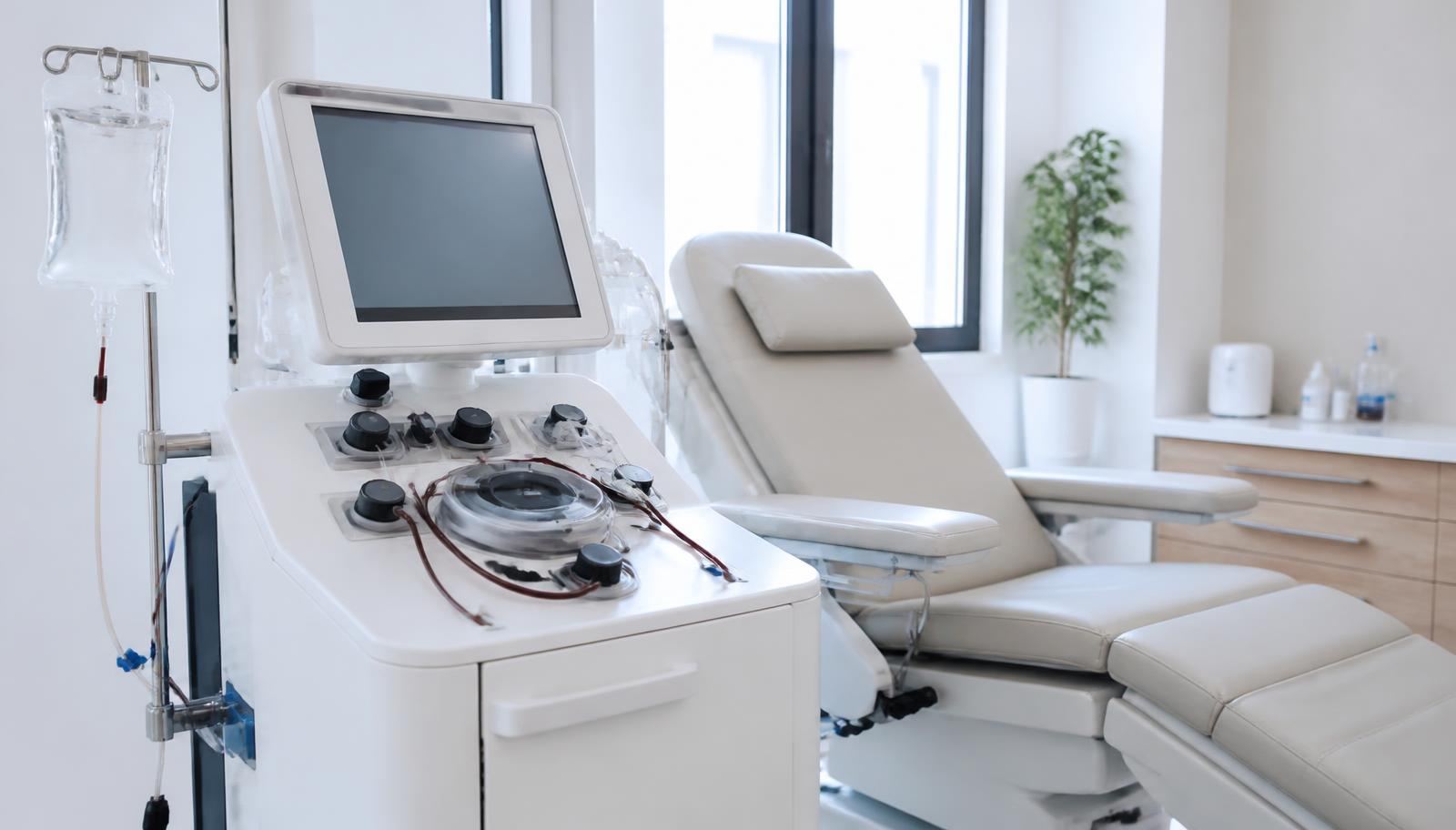
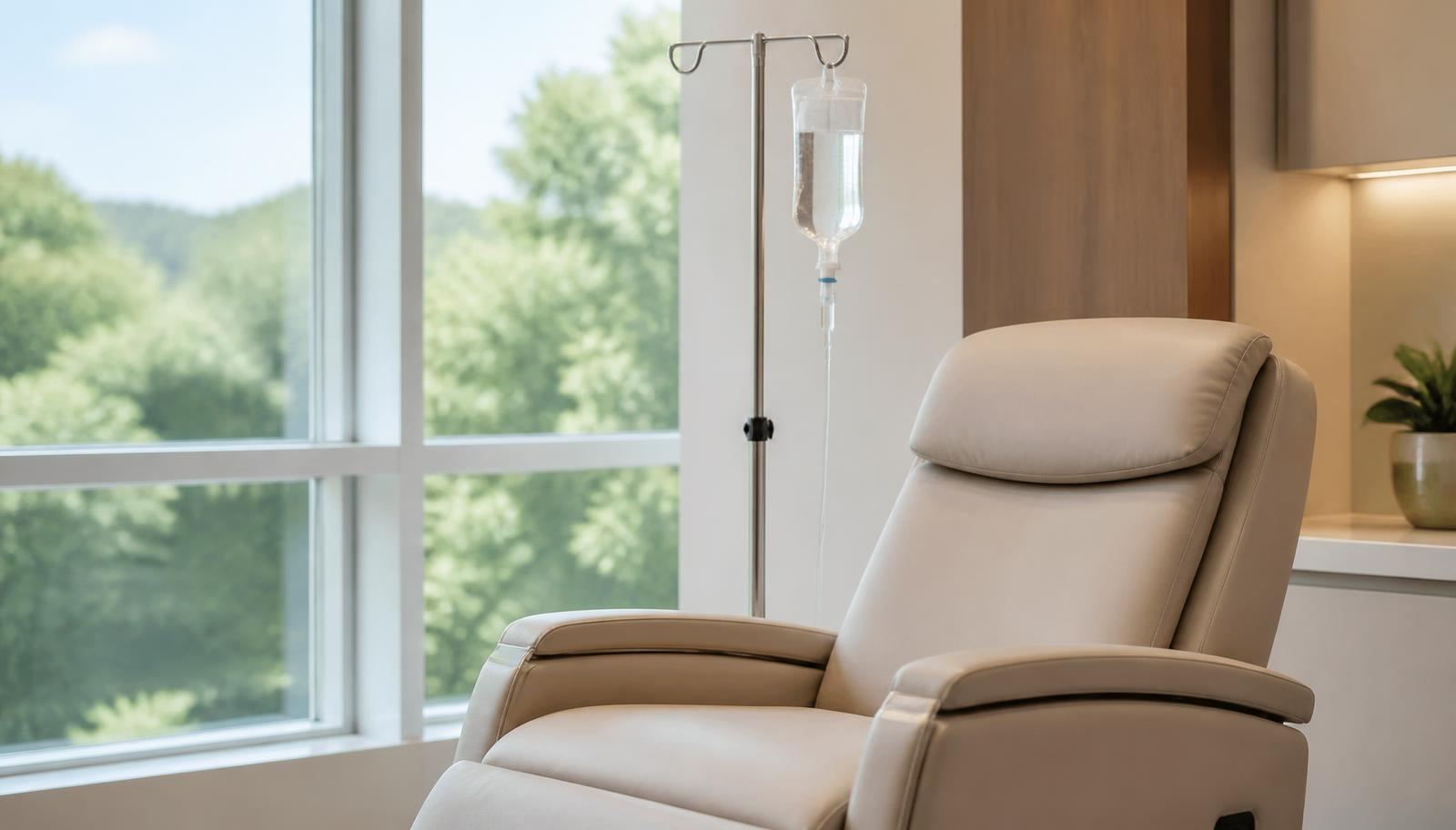
A recovery session at our Bangkok facility starts with a brief physician review: travel history, current medications, any heart, kidney or liver conditions, and how you are feeling now. Baseline observations are taken, and the infusion rate is set conservatively, then adjusted to comfort. Flushing, chest pressure or nausea during the drip are well-described and settle when the rate is slowed; our article on NAD side effects and infusion rate explains why.
Most travellers schedule within the first 48 hours after landing, once they have rehydrated and had one proper night of sleep. The session itself doubles as enforced rest, which is part of the point.
NAD Drip Versus the Basics: A Fair Comparison
| Measure | Evidence for jet lag | Effort |
|---|---|---|
| Timed light exposure | Strong | Free, needs planning |
| Sleep scheduling and short naps | Strong | Free, needs discipline |
| Hydration and light meals | Moderate | Easy |
| Melatonin at local bedtime | Moderate | Easy, inexpensive |
| NAD+ infusion | Mechanistic and anecdotal | One supervised session |
Reading the table plainly: the drip sits on top of the fundamentals, never instead of them. A clinic selling an infusion as a guaranteed jet lag cure is overselling.
Planning Your First Days in Bangkok
A sensible sequence for medical travellers: land, rehydrate, sleep on local time, morning light the next day, then schedule consultations and any infusion once you are functional. Our healthcare facility arranges assessments around arrival times for exactly this reason, and the wider preparation sits in our Thailand medical travel checklist.
Travellers comparing clinics for infusion care will find the practical criteria in our guide to choosing an NAD clinic in Bangkok directly applicable.
Plan Your Recovery With Our Medical Team
Tell us your travel dates and health history, and our physicians will advise whether an NAD session suits your trip. Learn more about MRC Healthcare or arrange a consultation.
Schedule a Consultation