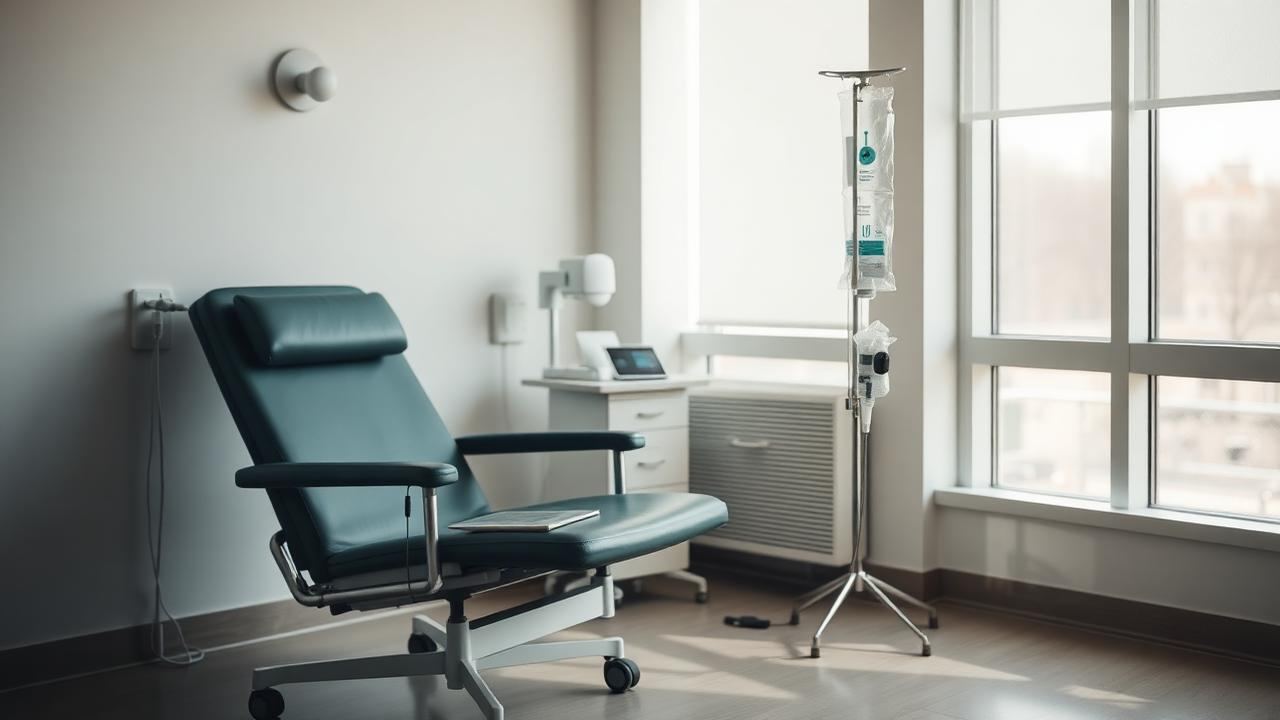
Most people booking a first infusion want the practical answer rather than the pharmacology: what actually happens on the day, how long it takes, and what they will feel. This walkthrough covers the sequence of a supervised session from screening to discharge. Whether chelation is indicated at all is a separate question, covered in our overview of chelation therapy in Bangkok.
The Screening That Happens Before Anything Is Booked
No infusion is scheduled until a physician has reviewed a baseline set of results. Typically that includes:
- Kidney function — creatinine and estimated GFR, because chelated metals leave through the kidneys
- Electrolytes, with particular attention to calcium and magnesium
- Full blood count and liver enzymes
- A validated measure of metal burden, interpreted against the exposure history
- A full medication list, including supplements and mineral products
If the burden testing does not support treatment, the honest answer is no infusion. Which tests are reliable — and which are not — is set out in our article on heavy metal testing and diagnosis.
Arrival, Observations and Cannulation
The first 20 to 30 minutes of the visit are routine clinical steps rather than treatment:
- Identity, consent and confirmation of the prescribed agent and dose
- Baseline blood pressure, pulse, temperature and weight
- A brief check on hydration, food intake and any new symptoms since the last visit
- Insertion of a small cannula, usually in the forearm
- A test of the line with saline before the chelating agent is connected
Eating a normal meal beforehand and drinking water through the morning makes both cannulation and the infusion itself more comfortable.
Inside the Infusion Itself
The drip runs slowly and deliberately. Rate is a safety parameter, not a convenience setting.
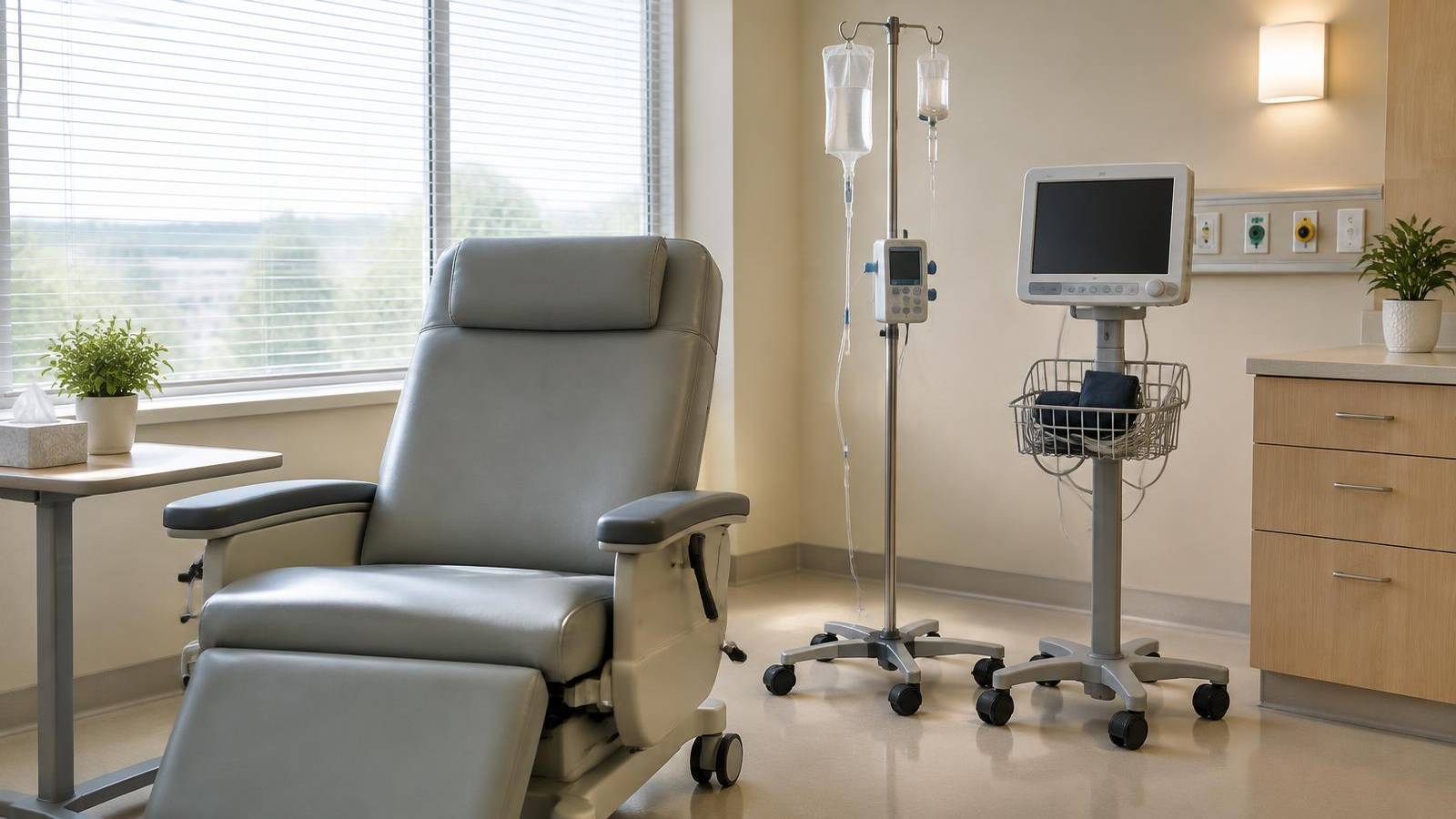
- Nursing staff check observations at set intervals through the session
- The rate is reduced if you report light-headedness, nausea or discomfort at the site
- Water is encouraged throughout, and you can use the bathroom with the line in place
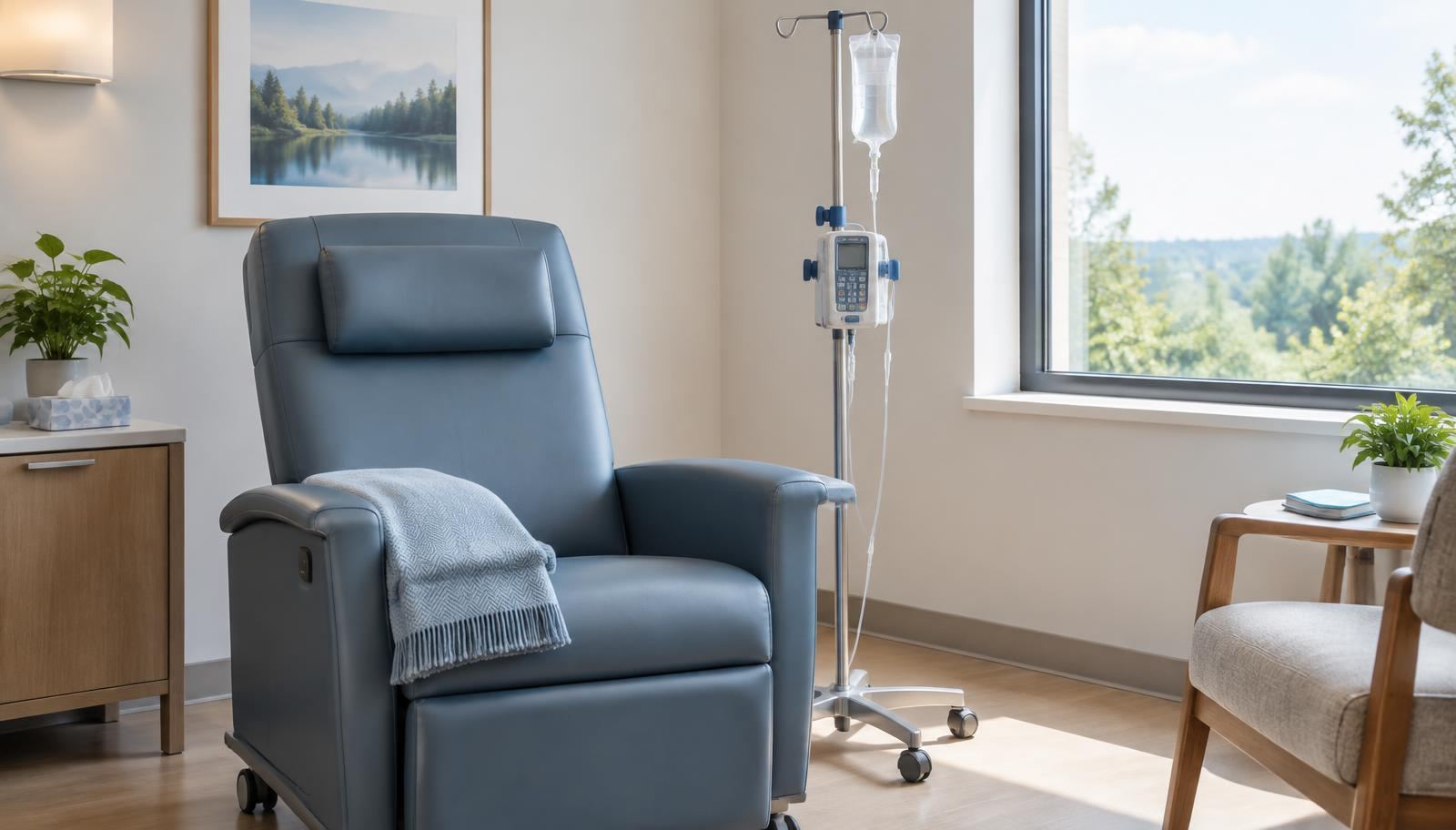
- Most patients read, work or sleep — there is nothing to do but sit
- Mineral repletion is often given during or after the drip, since chelators are not perfectly selective
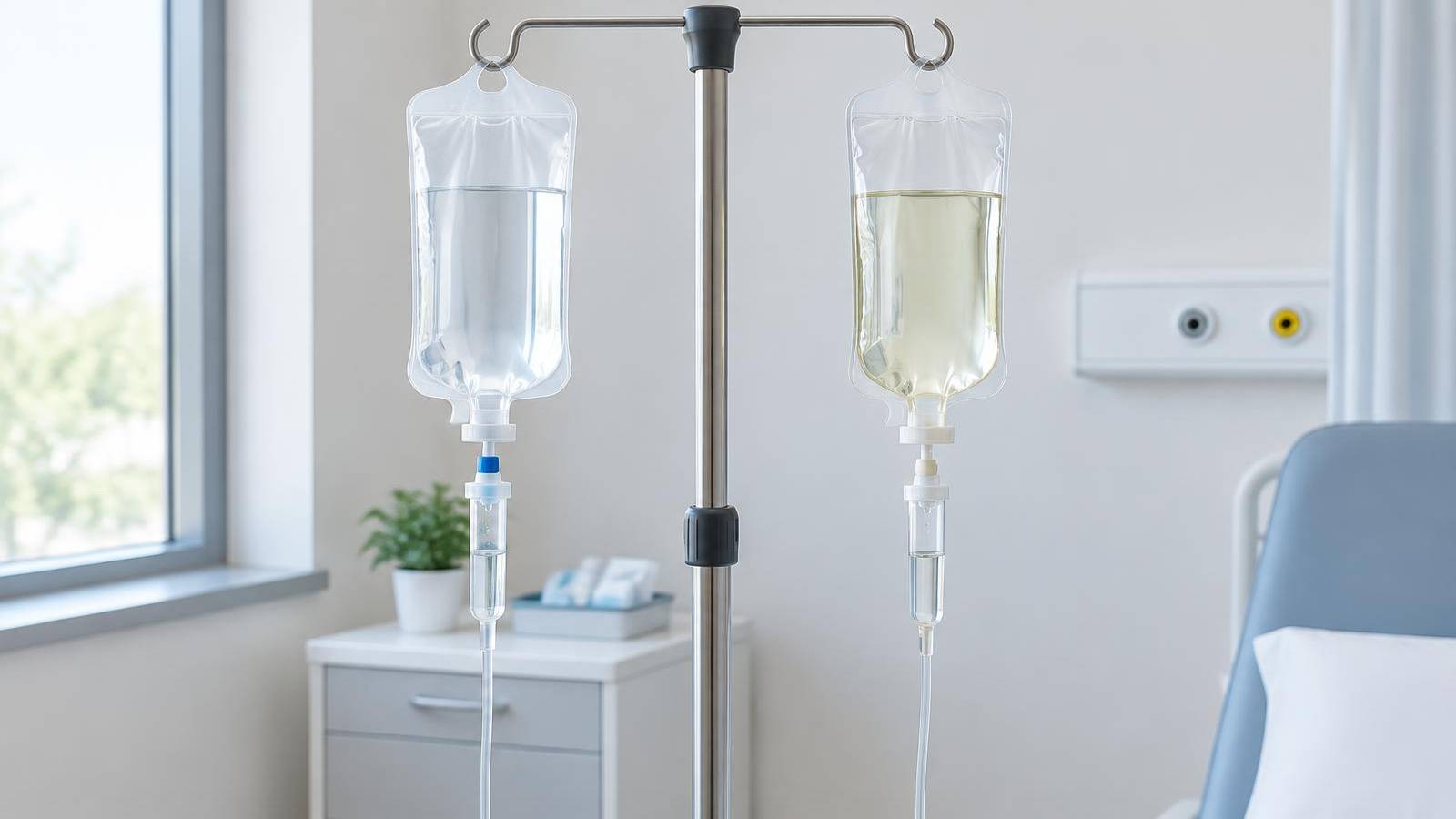
Which agent is hanging on the stand depends on the metal identified. That choice is explained in our comparison of EDTA and DMPS.
A Session Timeline at a Glance
| Stage | Typical duration | What happens |
|---|---|---|
| Check-in and review | 15–20 minutes | Consent, observations, symptom review |
| Cannulation | 5–10 minutes | Line placed and flushed with saline |
| Infusion | 90 minutes–3 hours | Slow drip with interval observations |
| Mineral support | Within the session | Repletion as prescribed by the physician |
| Observation and discharge | 20–30 minutes | Final observations, aftercare notes, next booking |
Times are indicative. Your prescribed rate, the agent used and your own observations on the day decide the real length of the visit.
The Hours and Days After a Session
- Increased urine output for the rest of the day is expected — metals are excreted renally
- Mild tiredness is common; a heavy gym session on the same day is not advisable
- Continued fluid intake matters more on infusion days than on any other
- Mineral supplements are taken exactly as prescribed, not doubled independently
- Any fever, marked dizziness, palpitations or reduced urine output warrants immediate contact
A fuller account of expected versus concerning effects is covered in our article on chelation safety and monitoring.
How Sessions Are Grouped Into a Course
Sessions are planned in short blocks with review points, rather than as an open-ended subscription:
- A block of sessions at a set interval, defined by the agent and the metal involved
- Repeat kidney function and electrolytes before continuing
- Reassessment of metal burden after the block, not after every session
- A documented decision to continue, pause or stop
A programme that never reaches an end point is not following a clinical logic. Related supportive options available on site are listed on our chelation therapy page and the wider IV therapy menu.
Fitting Sessions Around a Trip to Bangkok
- Send records and recent bloods before you fly so screening is not repeated unnecessarily
- Plan the first appointment for consultation and testing, not treatment
- Leave a rest day between the final infusion and a long-haul flight
- Ask for written notes — agent, dose, dates, monitoring results — for your doctor at home
Broader travel and scheduling notes for international patients are collected in our pre-departure checklist.
Ask Whether Chelation Is Appropriate for You
Our physicians review your history and laboratory results first, then say plainly whether a supervised course is indicated. MRC Healthcare is a physician-led regenerative medicine group in Bangkok.
Schedule a Consultation