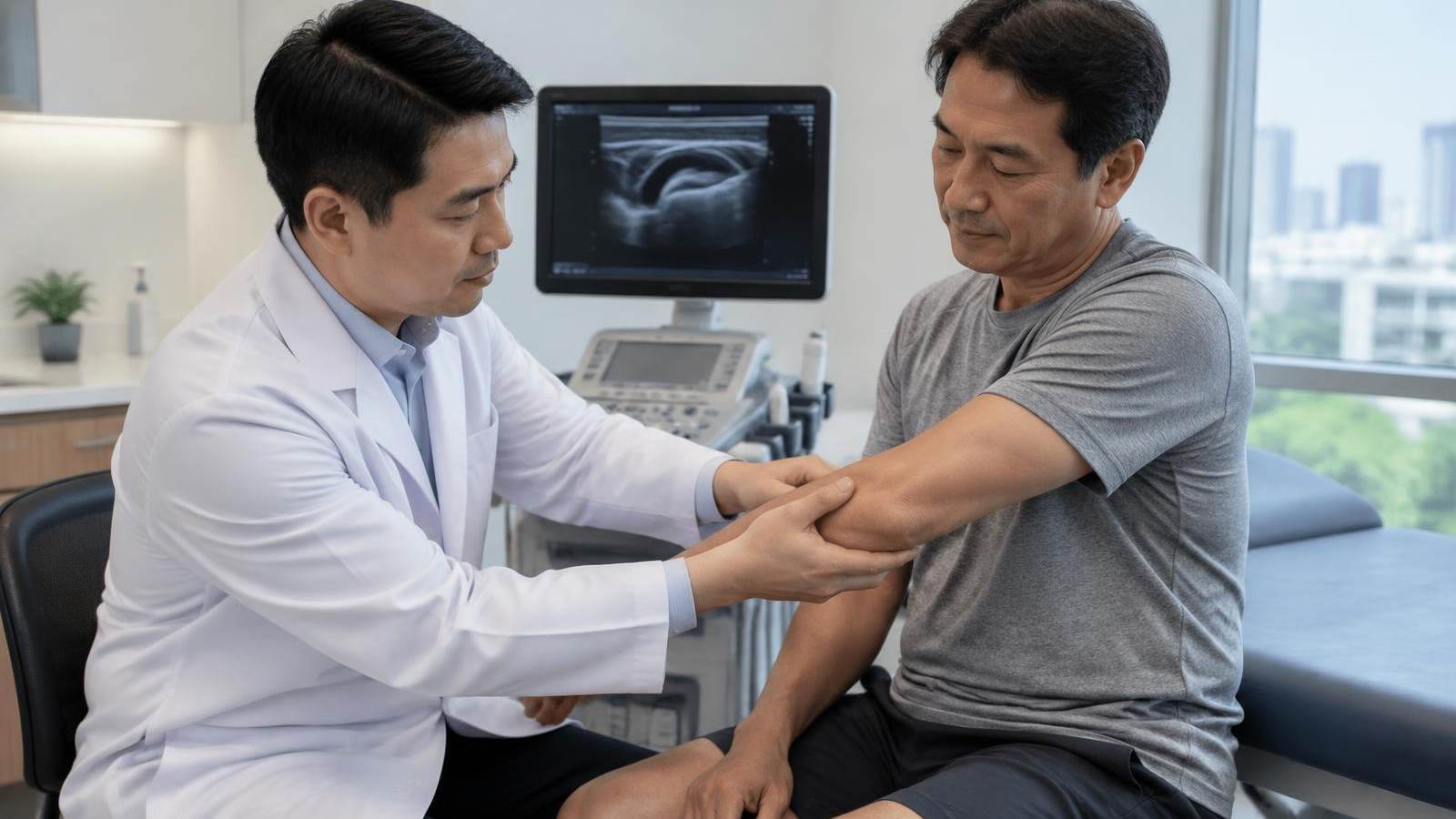
Understanding Poor Circulation in the Legs
Poor circulation in the legs occurs when blood flow is reduced, making it harder for oxygen and nutrients to reach the tissues. This can lead to symptoms such as discomfort, swelling, numbness, or a heavy feeling in the legs.
Healthy circulation is essential for maintaining tissue function, mobility, and overall vascular health. When circulation is impaired, the body's natural repair processes may slow down, affecting both comfort and long-term wellness.
Common contributing factors include:
- •Aging and vascular changes
- •Sedentary lifestyle
- •Smoking
- •Chronic conditions such as diabetes or high blood pressure
- •Vascular conditions like Peripheral Artery Disease
Understanding the underlying cause is key to choosing the most appropriate treatment approach.
Why Modern Treatments Focus on Circulation Support
Treatment for poor circulation in the legs has evolved beyond simple symptom relief. Today, many approaches focus on improving blood flow, supporting vascular function, and enhancing overall tissue health.
People are increasingly seeking solutions that:
- •Support the body's natural circulation mechanisms
- •Improve long-term vascular health
- •Help maintain mobility and daily function
This shift has led to growing interest in both medical and regenerative strategies that aim to address circulation at its source.

Conditions Associated with Poor Circulation in the Legs
Poor circulation may be linked to a variety of health conditions, including:
Vascular Conditions
Reduced blood flow due to narrowed or stiffened arteries can lead to discomfort, cramping, or fatigue in the legs.
Chronic Health Conditions
Conditions such as diabetes or hypertension may affect blood vessel health over time, contributing to circulation issues.
Lifestyle-Related Factors
Lack of physical activity, prolonged sitting, or standing can reduce circulation efficiency and lead to symptoms such as swelling or heaviness.
Post-Injury or Recovery
Circulation may be temporarily reduced following injury or surgery, affecting healing and tissue recovery.
How Treatment for Poor Circulation in Legs Works
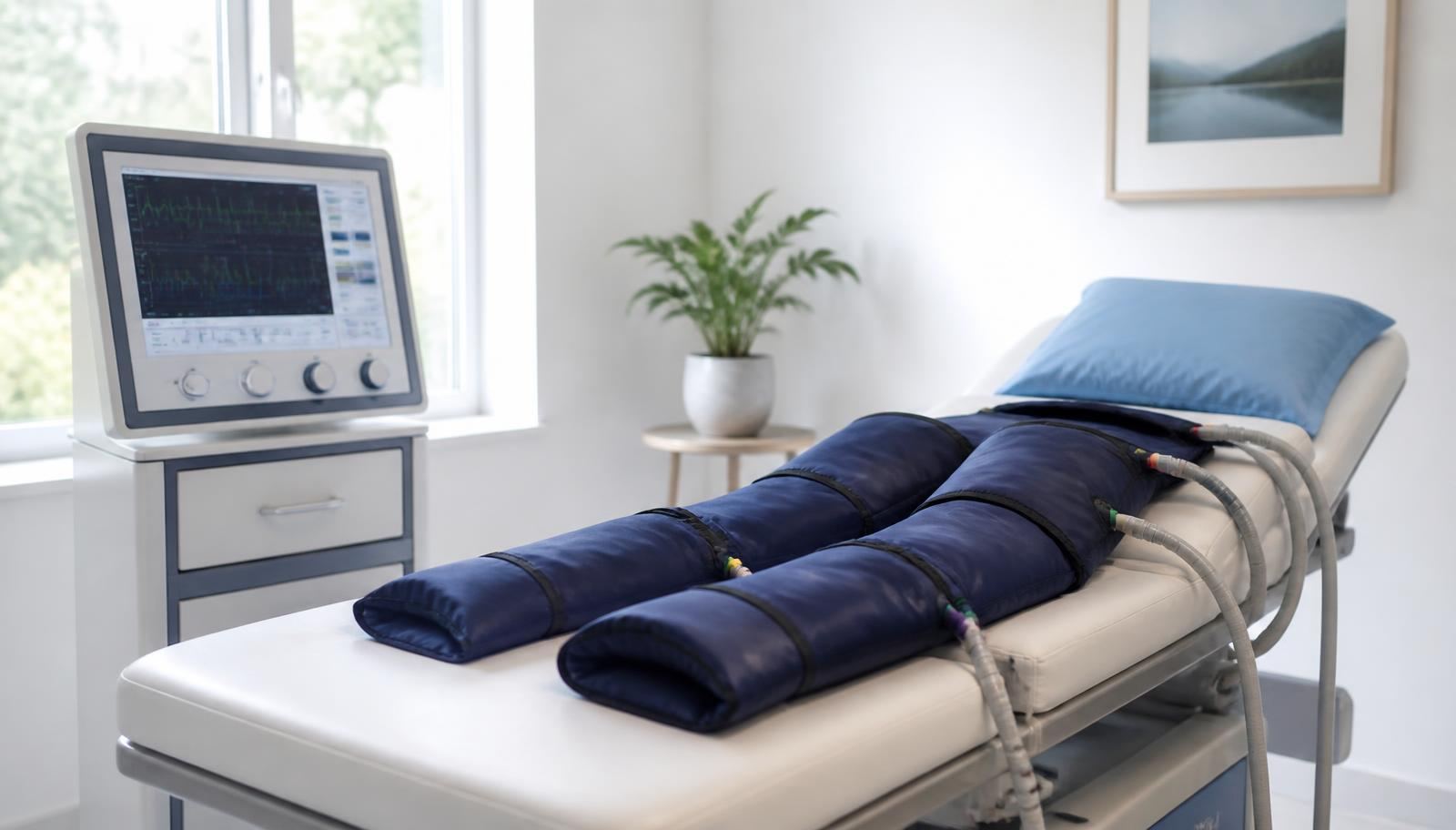
Treatment strategies focus on improving blood flow, supporting vascular health, and reducing contributing factors. Depending on the individual, approaches may include:
Improving Blood Flow
- •Encouraging regular movement and physical activity
- •Supporting vascular function through medical management
- •Enhancing oxygen and nutrient delivery to tissues
Reducing Contributing Factors
- •Managing underlying conditions such as diabetes or hypertension
- •Supporting healthy blood vessel function
- •Reducing inflammation that may affect circulation
Supporting Tissue Health
- •Promoting better oxygenation of muscles and skin
- •Supporting natural repair processes
- •Improving overall leg comfort and function
Regenerative and Advanced Approaches
In addition to conventional care, regenerative medicine is being explored as a way to support circulation at a deeper level.
These approaches aim to:
- •Support vascular repair and regeneration
- •Promote healthy blood vessel function
- •Improve the overall environment for tissue healing
While research is ongoing, these strategies are part of a broader movement toward supporting the body's natural healing processes rather than only managing symptoms.
Our Approach at MRC Healthcare
At MRC Healthcare, we focus on supporting circulation and overall wellness through a personalized and integrative approach.
Our team combines medical evaluation with advanced supportive therapies tailored to each individual's needs. Treatment plans are designed based on your condition, lifestyle, and long-term health goals.
Whether you are experiencing leg discomfort, reduced mobility, or signs of poor circulation, our goal is to help support your body's natural function and improve your quality of life.
Start Your Journey Toward Better Circulation
Improving circulation in the legs is an important step toward maintaining mobility, comfort, and long-term health.
If you are experiencing symptoms of poor circulation, seeking professional evaluation can help identify the cause and guide appropriate care.
Explore Circulation Treatment at MRC Healthcare
Contact our clinical team to learn how we can support your vascular health and help improve circulation through a personalized care plan.
Schedule a Consultation